Category: Uncategorized
-
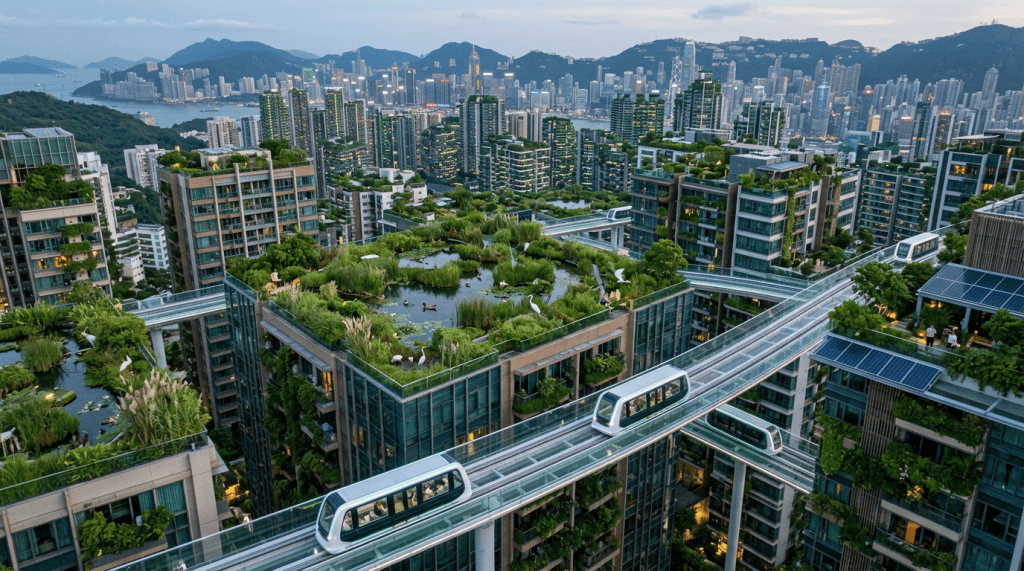
Homo sapiens as the ultimate urban keystone species: Engineering a thriving future
When we look back at the history of urban development, it is impossible not to marvel at the sheer scale of human ingenuity. For millennia, our primary objective was survival in a world that was often hostile and unpredictable. We achieved this by mastering our environment. We engineered incredible feats…
-
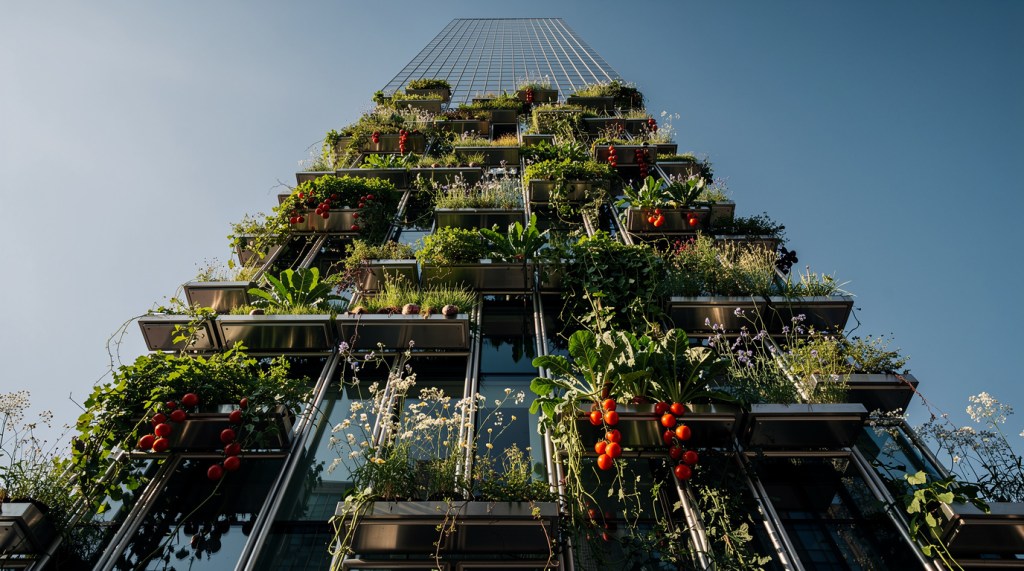
Rethinking the concrete jungle: Does crop diversity increase urban resilience and antifragility?
The 21st-century metropolis is a marvel of hyper-efficiency, logistical precision, and dense economic activity. However, this rigorous optimisation has birthed a hidden vulnerability. Modern cities are entirely dependent on highly complex, heavily globalised, and astonishingly fragile supply chains to feed their populations. When these just-in-time logistical networks face shocks –…
-
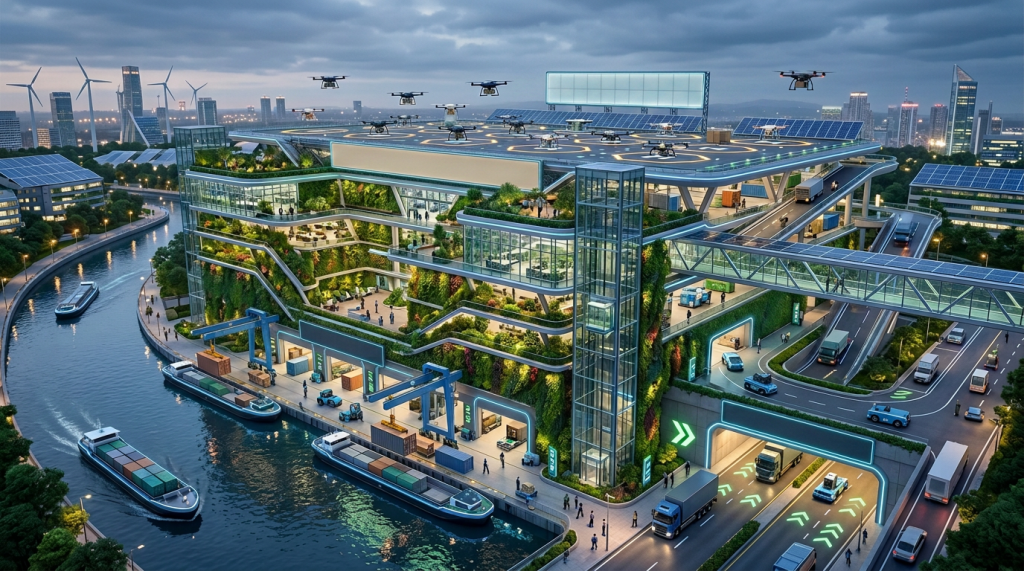
The invisible engine of tomorrow: How urban freight shapes the future of cities
When we visualise the cities of tomorrow, our minds often gravitate towards sweeping architectural marvels, solar-glass skyscrapers, lush urban canopy networks, and silent, autonomous passenger vehicles moving along clean-energy transit corridors. We picture vibrant, human-scale pedestrian boulevards where nature and high technology exist in seamless balance. Yet, beneath this polished…
-

The shift to proactive cities: How technology is reshaping civic involvement and administration
The architecture of human settlement is undergoing a profound transformation. As global populations continue to cluster in metropolitan hubs, the sheer complexity of managing these sprawling environments has outpaced the capabilities of traditional administrative frameworks. We are standing at the precipice of a new era in city management, driven by…
-
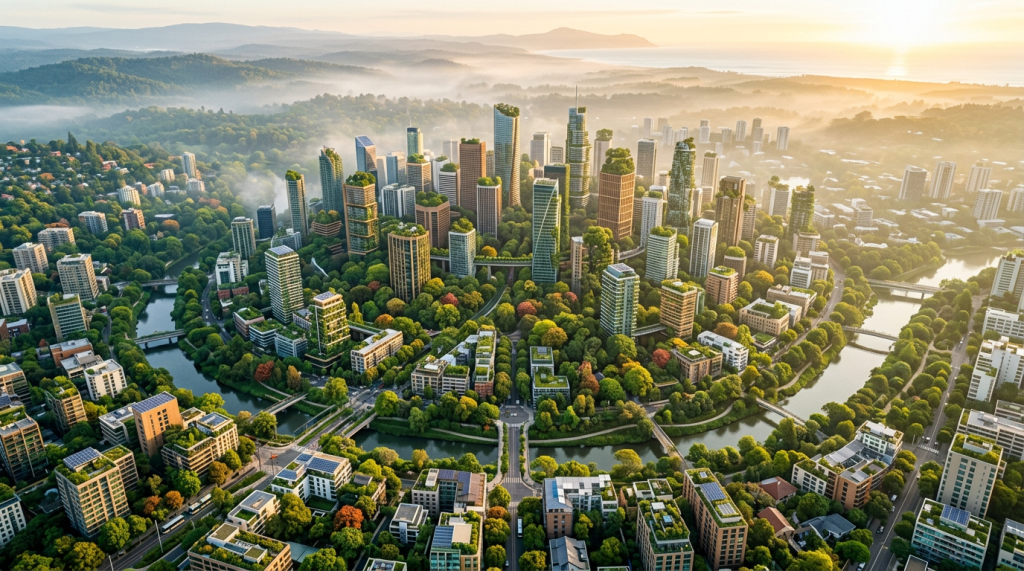
The roots of tomorrow: How urban forestry can shape the future of cities
As the global population continues its rapid migration into metropolitan centres, the physical landscape of human existence is fundamentally changing. We are building taller, expanding wider, and pouring more concrete than at any other point in human history. Amidst this rapid urbanisation, the stark grey of steel, glass, and asphalt…
-
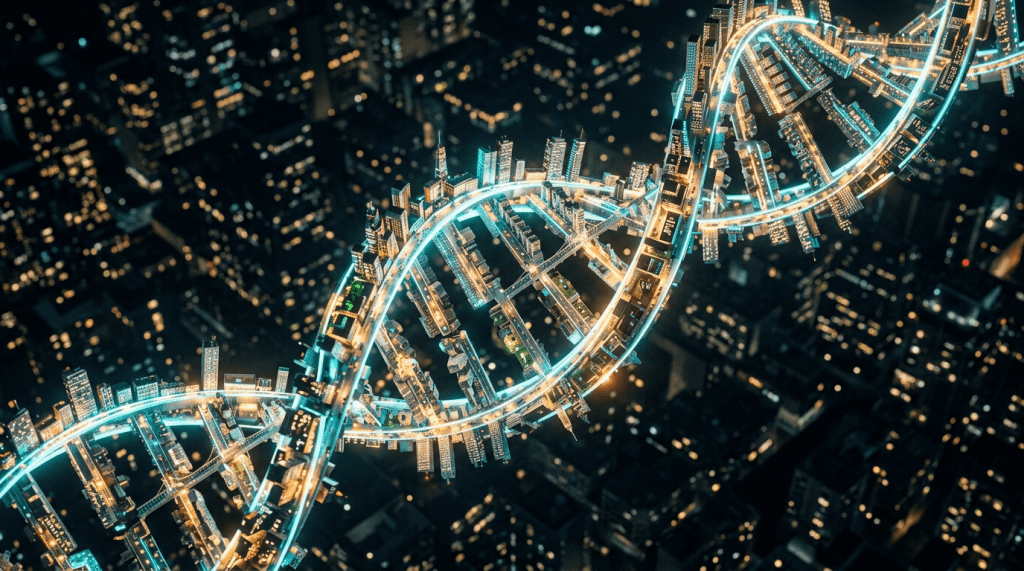
The genetic blueprint of cities: Why a place’s DNA is both a compass and a cage
Every city has a distinct, underlying hum. You feel it the moment you step off a train in Tokyo, navigate the sweeping avenues of Paris, or walk through the narrow, bluestone laneways of Melbourne. This intangible yet unmistakable character is what urbanists, architects, and developers refer to as the ‘DNA…
-
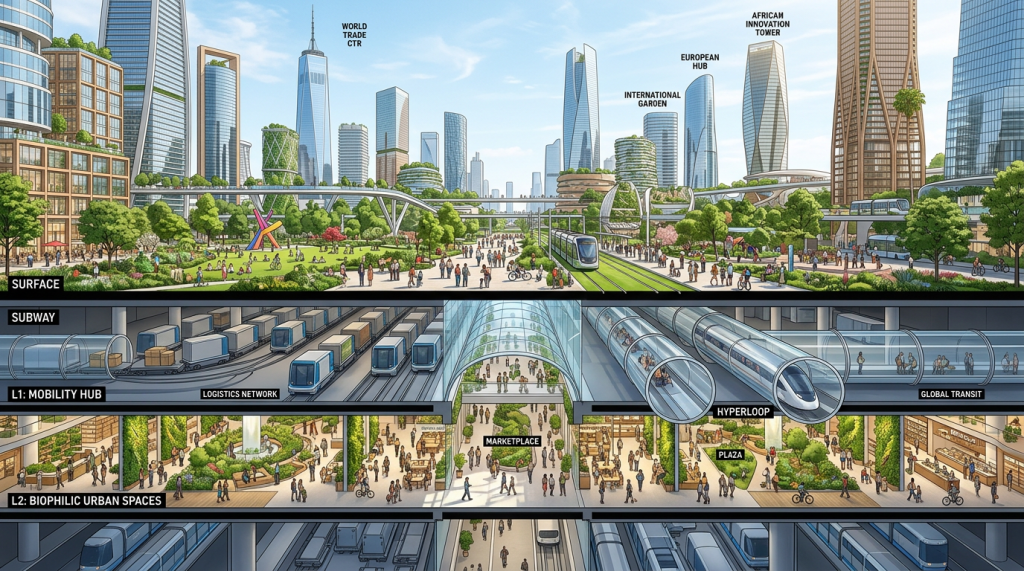
Beneath our feet: The role of underground infrastructure in the future of cities
As the global population continues to expand, our cities are facing an unprecedented spatial crisis. For centuries, urban planners and architects have relied on two primary dimensions of growth: expanding outward into sprawling suburbs, or reaching upward with towering skyscrapers. However, as metropolitan areas globally grapple with dwindling land availability,…
-
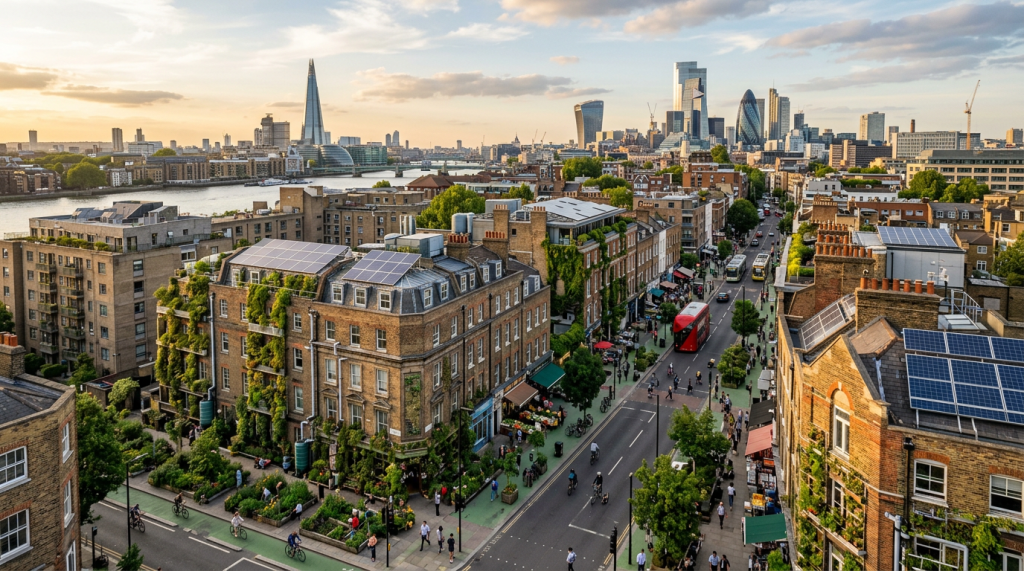
Protopia: The realistic path to regenerative and antifragile cities
Look around any major global metropolis today. It is undoubtedly a marvel of human engineering, yet beneath the glittering glass facades, the traditional modern city is too often built upon a linear, industrial model that struggles to harmonise with the natural landscape. In stark contrast, modern media frequently romanticises the…
-
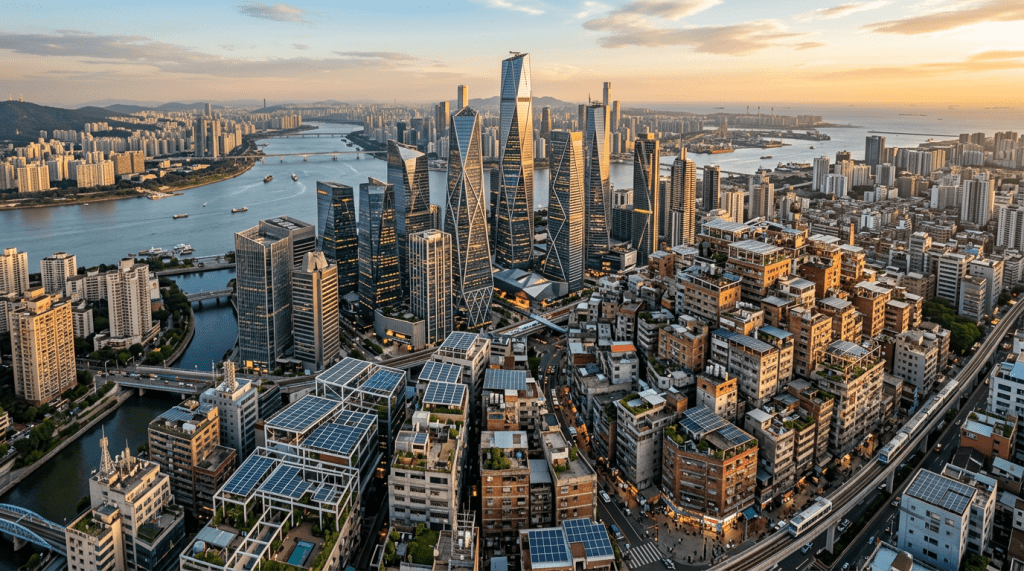
Rethinking the global metropolis: The role of informal settlements in future cities
As the global population rapidly urbanises, the traditional model of city planning is being fundamentally tested. By the middle of the twenty-first century, a vast proportion of demographic growth will not occur in master-planned suburbs or meticulously zoned high-rise districts, but in informal settlements. Often categorised as slums, favelas, shantytowns,…
-
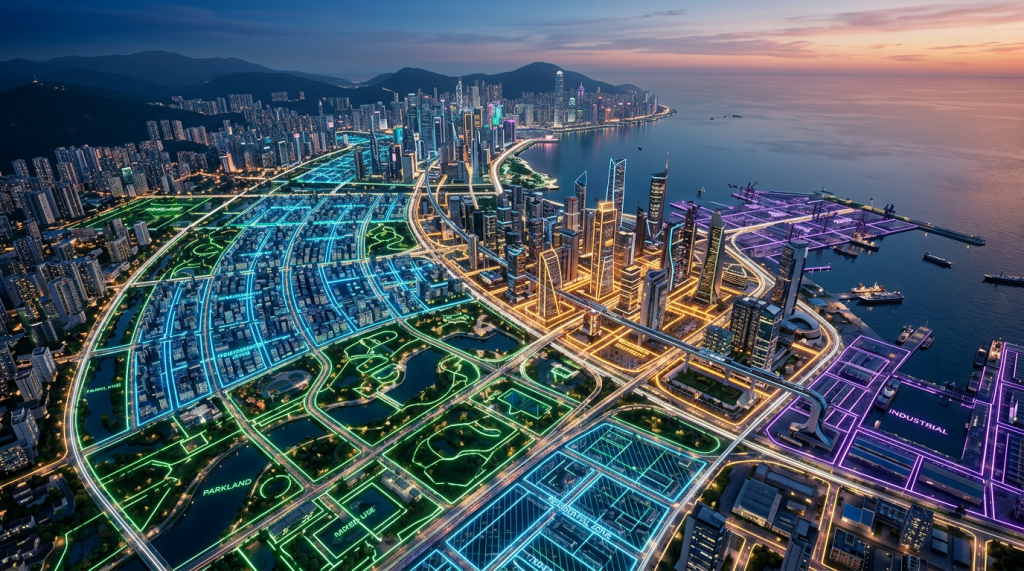
The invisible blueprint: How land use and zoning shape the future of our cities (for better or worse)
When we think about the future of our cities, our minds often gravitate towards striking architecture, advanced transport networks, or sprawling public parks. However, one of the true driving forces behind how a city functions, grows, and evolves is largely invisible to the naked eye. It is encoded in thick…

