Category: Uncategorized
-
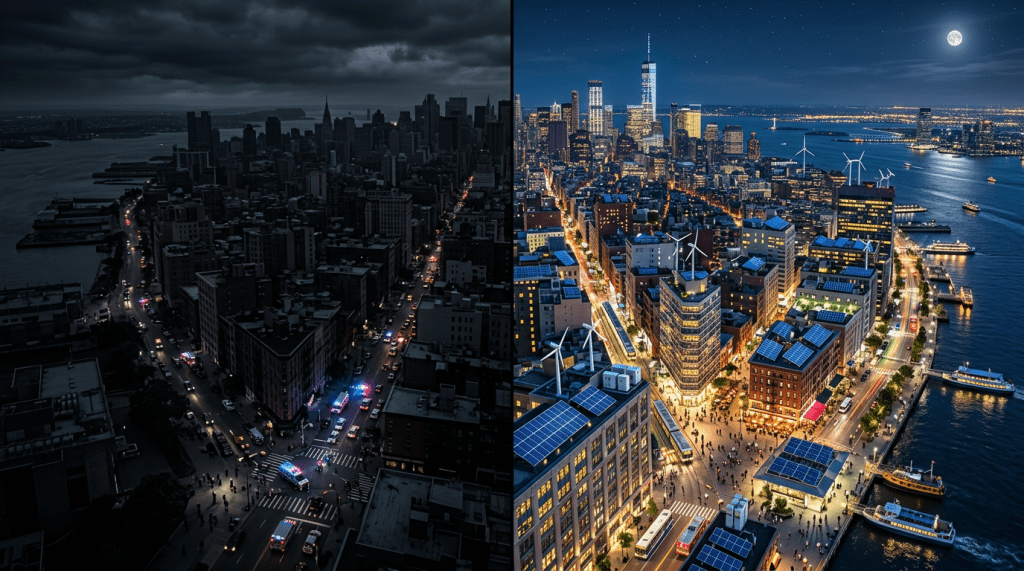
From outages to opportunities: How abundant energy builds resilient and antifragile urban futures
Is energy the true foundation of cities that not only survive but grow stronger through disruption? Picture a modern metropolis at peak hour: trains halted, hospitals running on backup generators that may or may not last, data centres dark, supply chains frozen, and millions of people suddenly unable to work,…
-
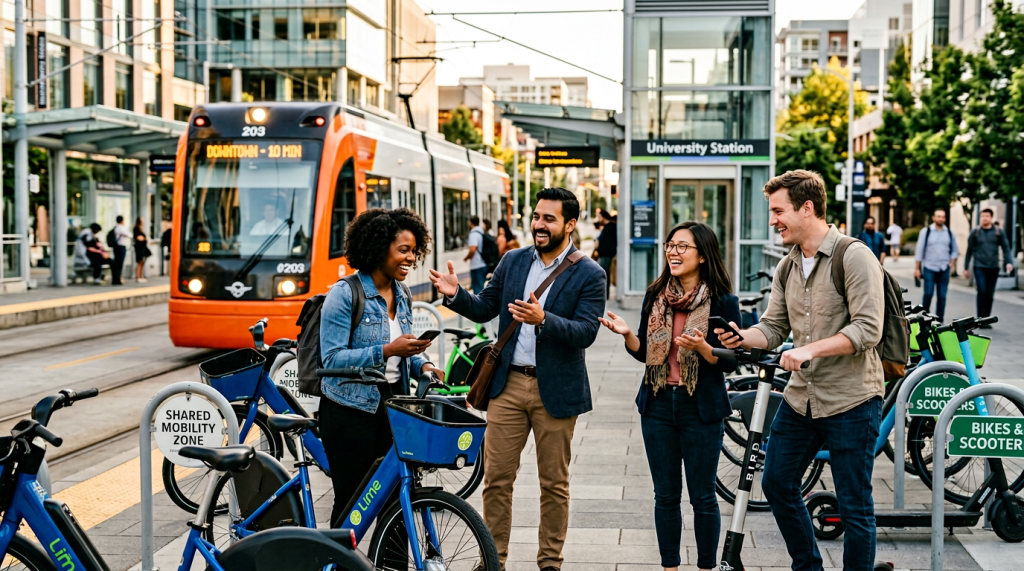
The future of cities rides on multimodal transport and micromobility
If we look back at how cities have evolved over the past century, a clear pattern emerges. In many Western nations, particularly in North America and Australia, the post-WWII era was defined by the pursuit of suburban sprawl. The dream of a detached home on a large block of land…
-

Decoding the urban equation: How city scaling predicts our future
The world is undergoing a profound demographic shift, moving away from rural landscapes and increasingly consolidating into concrete jungles. Historically, humans were scattered across the globe in small, agrarian communities, but the Industrial Revolution flipped the script. Today, we are living through the greatest mass migration in human history –…
-
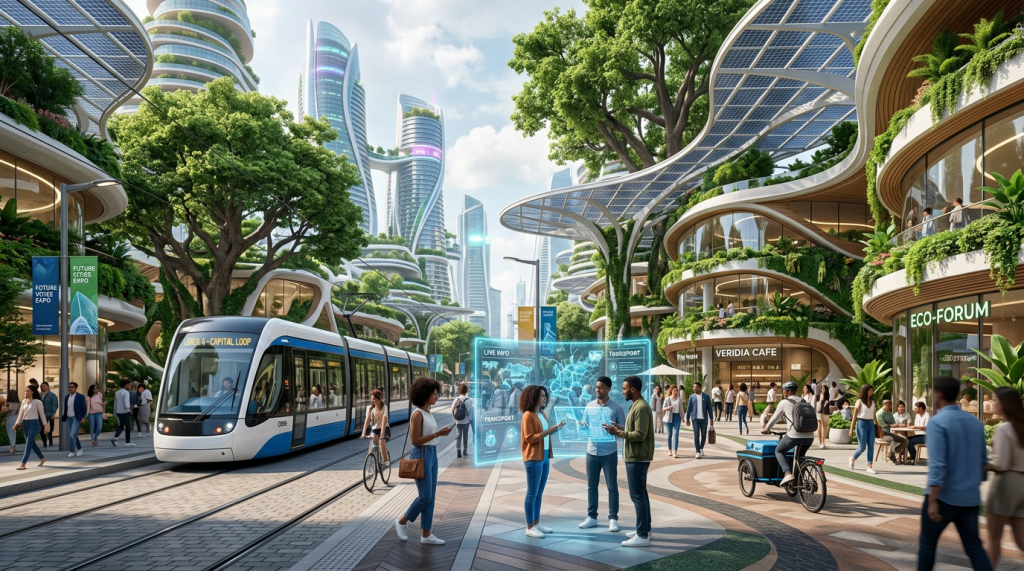
Building tomorrow: How green tech and innovation are shaping our urban futures
We are living in the century of the city. Today, more than half of the global population resides in urban areas, and by the year 2050, it is projected that nearly seven in ten people will call a city home. From the sprawling suburbs of Australian capitals to the dense,…
-
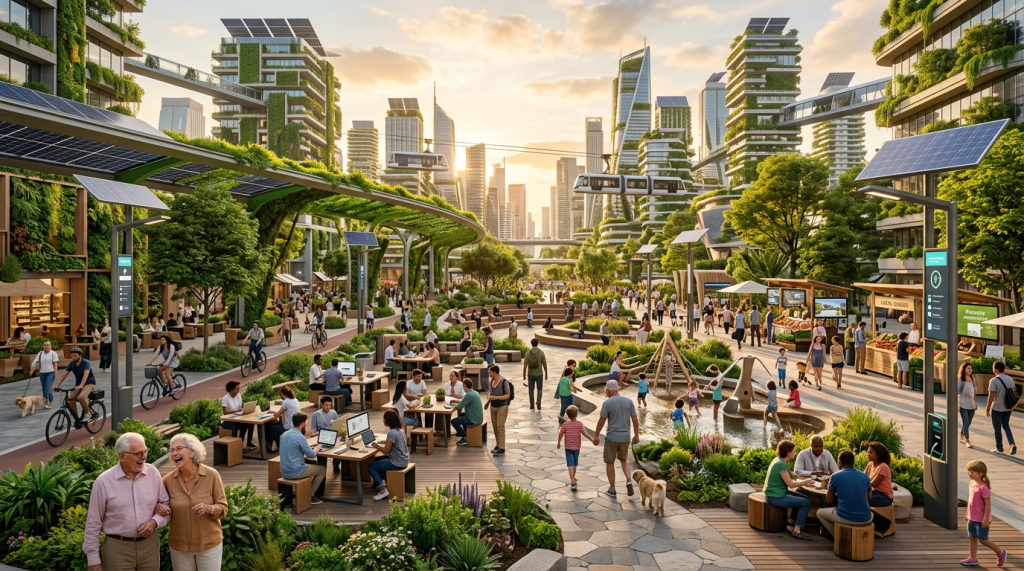
Urban adaptive furniture: How it can help the future of cities
Cities around the world are changing faster than ever. With populations growing and climates shifting, public spaces must do more than simply look good – they need to work harder, adapt quicker, and support the people who use them every day. Urban adaptive furniture offers one practical and exciting way…
-

The pulse of the pavement: How the business of culture is reshaping the future of cities
As we navigate 2026, it is becoming clear that efficiency is only half the battle for the future of cities. A city can have the most advanced technology in the world, but if it lacks a sense of place, it struggles to retain the very people it was built to…
-
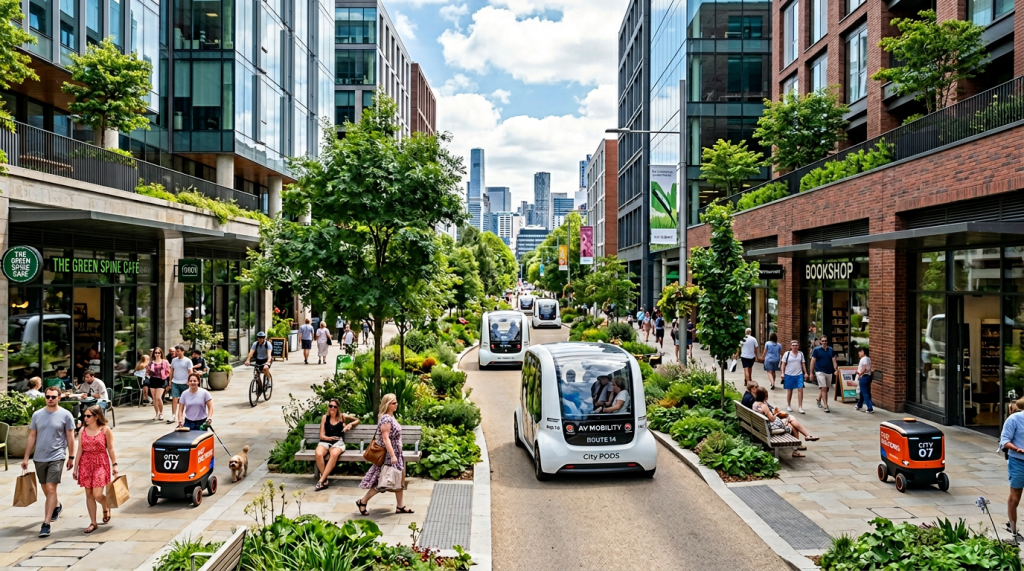
Navigating tomorrow: How autonomous vehicles will reshape our cities
Imagine stepping out of your front door on a crisp morning. Instead of walking to your garage, navigating the stress of peak-hour traffic, and endlessly circling city blocks in search of a parking spot, a sleek, quiet pod pulls up to your kerb exactly when you need it. You step…
-
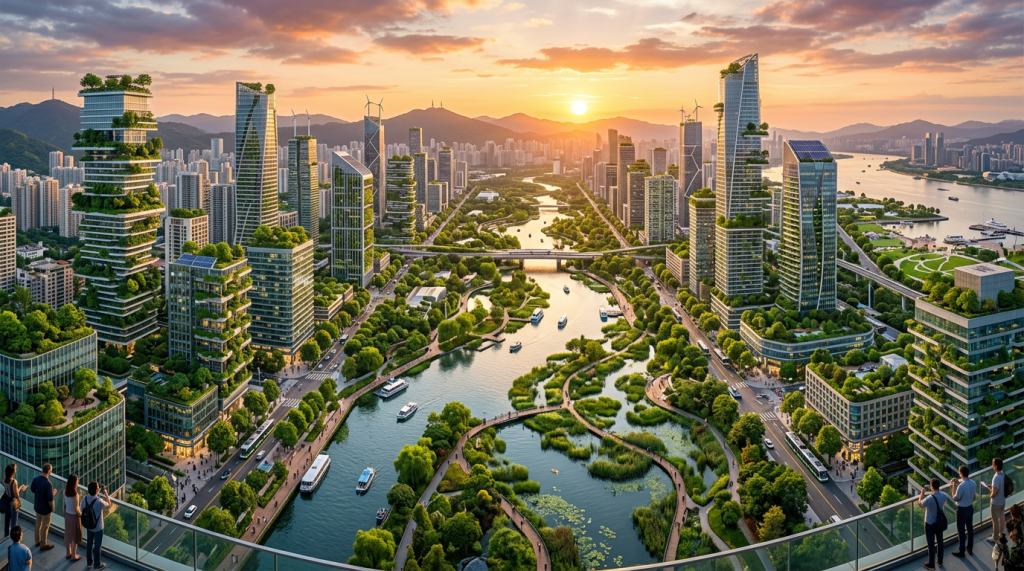
From concrete jungle to living sponge: Reimagining the future of urban infrastructure
When you look out your window at the city around you, what do you see more of: life-giving nature, or lifeless concrete? For over a century, the answer for most urban dwellers has been an overwhelming amount of the latter. We have built our cities as fortresses against the elements,…
-
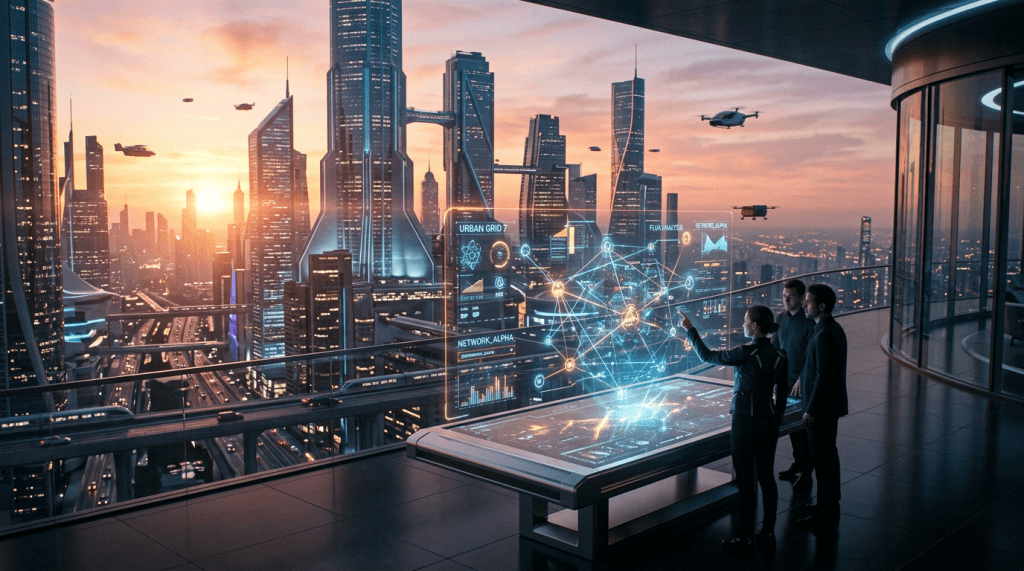
The engine of urban evolution: Why economic growth is imperative for future cities
As the global population becomes increasingly urbanized, the future of humanity is intrinsically tied to the economic vitality of our cities. For urban centers to thrive, adapt, and compete on a global scale, economic growth is not just a metric – it is a functional imperative. In an urban context,…
-
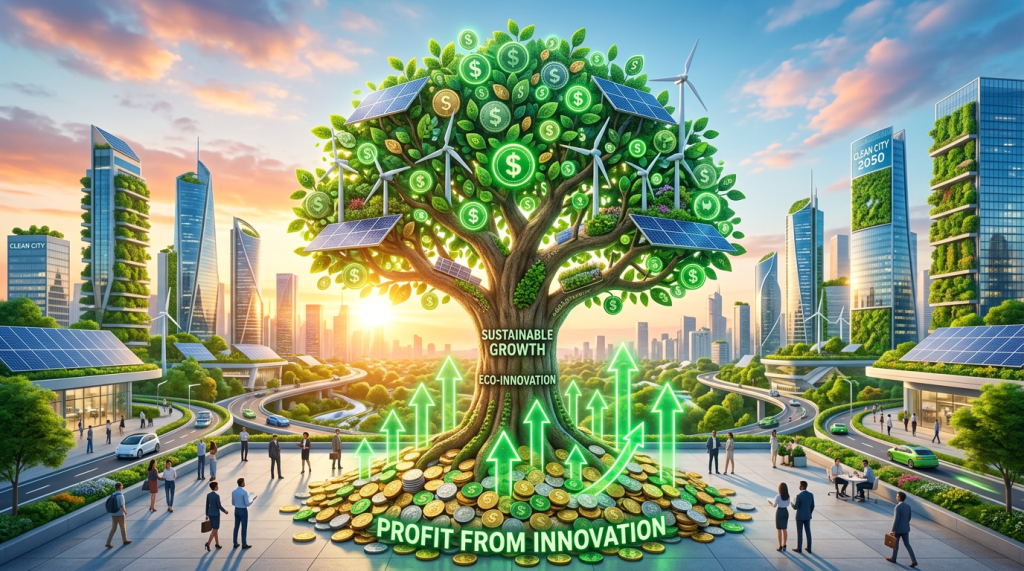
Is balancing purpose with performance the secret to smarter innovation?
Can sustainability spark innovation and actually boost profits? Many business leaders today ask themselves a simple question: does committing to sustainability just add costs, or can it unlock new ideas and stronger financial results? The answer is not straightforward. While plenty of evidence shows sustainable practices driving real innovation and…
 Vitruvian Solutions