Category: Uncategorized
-
Can globalisation really build better cities for tomorrow, or does it risk pulling them apart?
Imagine waking up in a city where your morning coffee comes from beans grown halfway around the world, your smartphone was designed in one country and assembled in another, and the person next to you on the train speaks a language you have never heard before. This is the everyday…
-
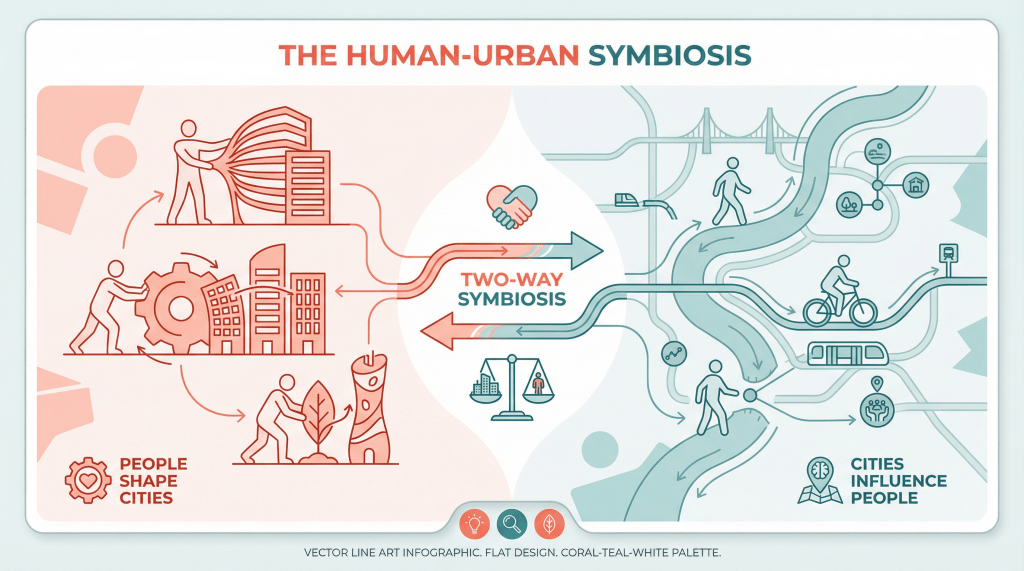
Cities that work with human nature – The power of behavioural science
Have you ever wondered why one city feels effortless to live in while another leaves you exhausted by the end of the day? The difference often comes down to how well the built environment matches the way humans actually think and behave – not how we wish we would. As…
-
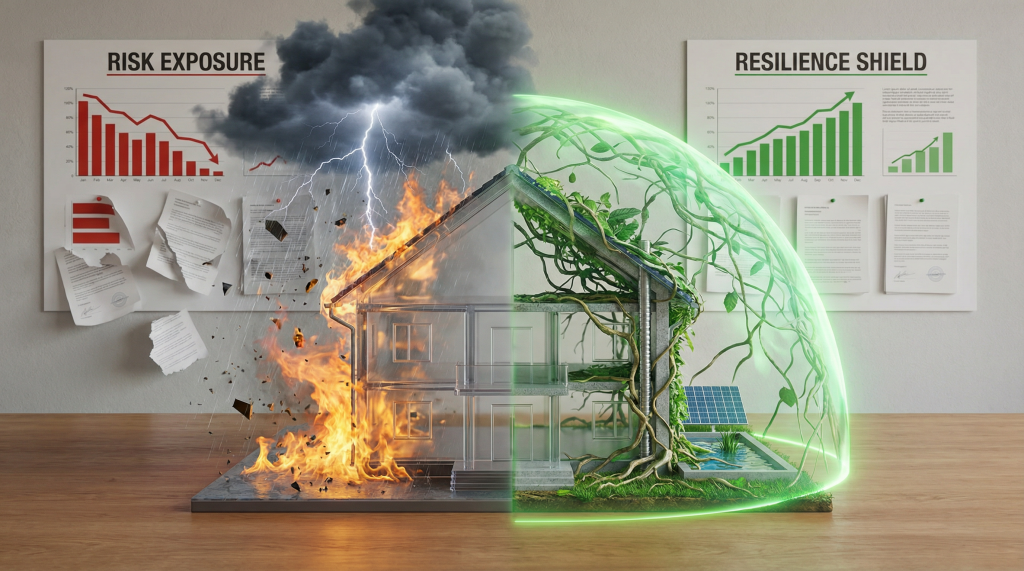
The economic value of building resilient cities
In an era of intensifying climate hazards, urban resilience has emerged as more than a defensive measure – it is a powerful economic driver. Cities that prioritise the ability to withstand shocks, adapt quickly, and recover efficiently are seeing tangible benefits in asset values, market liquidity, and long-term competitiveness. Resilience…
-
Professional creativity and applied knowledge: A global framework for urban climate action
Cities are the frontline in the fight against climate change. They generate around 80% of global GDP yet face rising temperatures, extreme weather, and resource strains. Success demands more than top-down policies – it requires unleashing professional creativity across sectors. Technology here means applied knowledge: the practical use of scientific,…
-
The metabolic city: How entrepreneurial capitalism can shape tomorrow’s urban environments
Imagine a young software engineer named Maya, fresh out of university in a mid-sized European city. She has a brilliant idea for an AI-driven app that optimises urban waste collection. Her home town offers little funding, few mentors, and endless bureaucratic hurdles. Frustrated, she considers her options – and then…
-
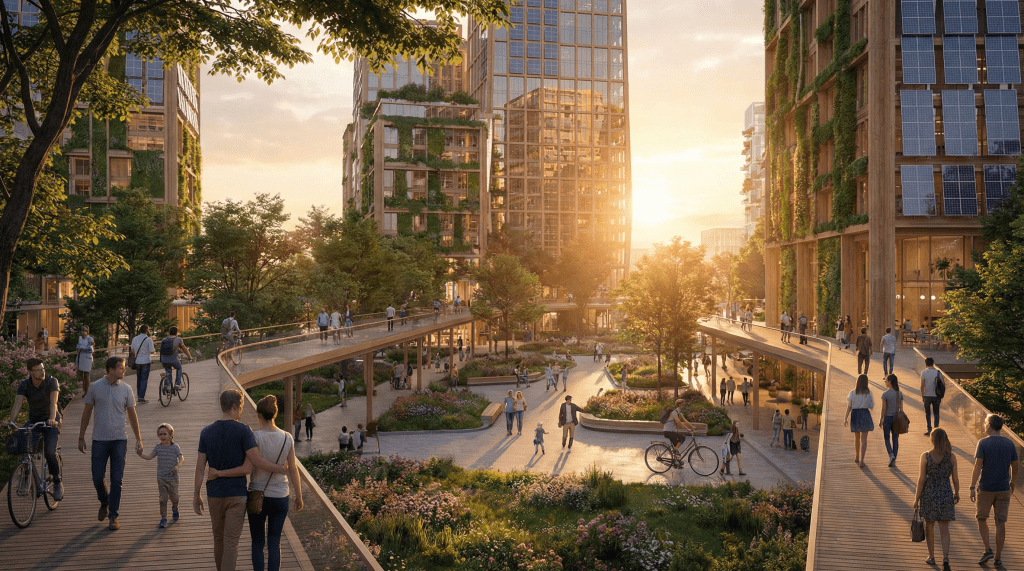
The car-free metropolis: Operationalising car-independent urban design for ecological and social resilience
Imagine Maria, a young mother in the Spanish city of Pontevedra, starting her day. She steps out of her apartment, her two children in tow, and walks the short distance to school. No dodging speeding cars, no choking on exhaust fumes – just the sound of laughter and birdsong. The…
-
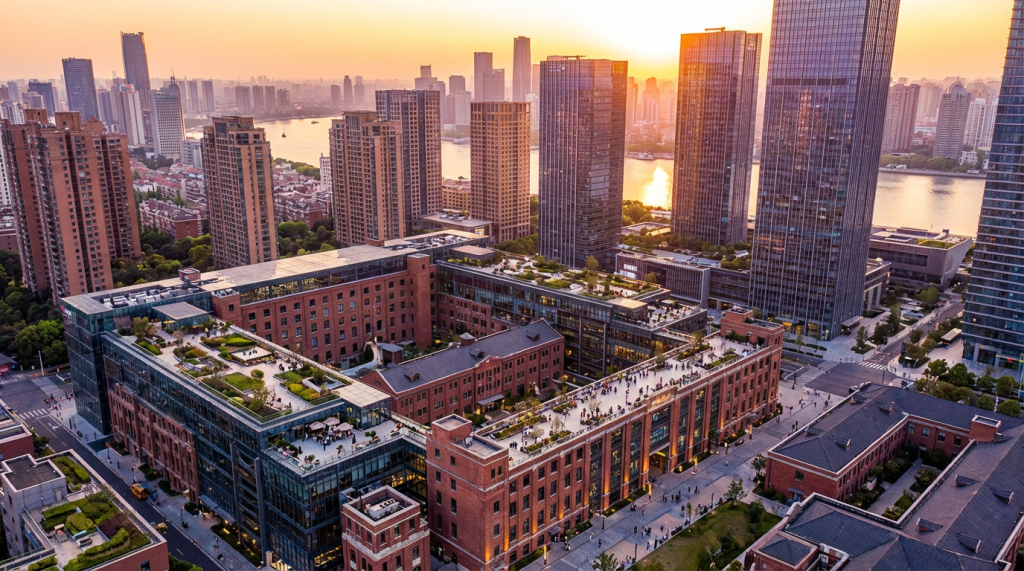
Reimagining our cities: The power of adaptive reuse over demolition
Imagine strolling through the bustling streets of New York City’s Meatpacking District, where a once-derelict elevated railway line, abandoned for decades, now thrives as the High Line – a lush, linear park teeming with locals and tourists alike. This transformation didn’t come from bulldozing the past; it emerged from cleverly…
-
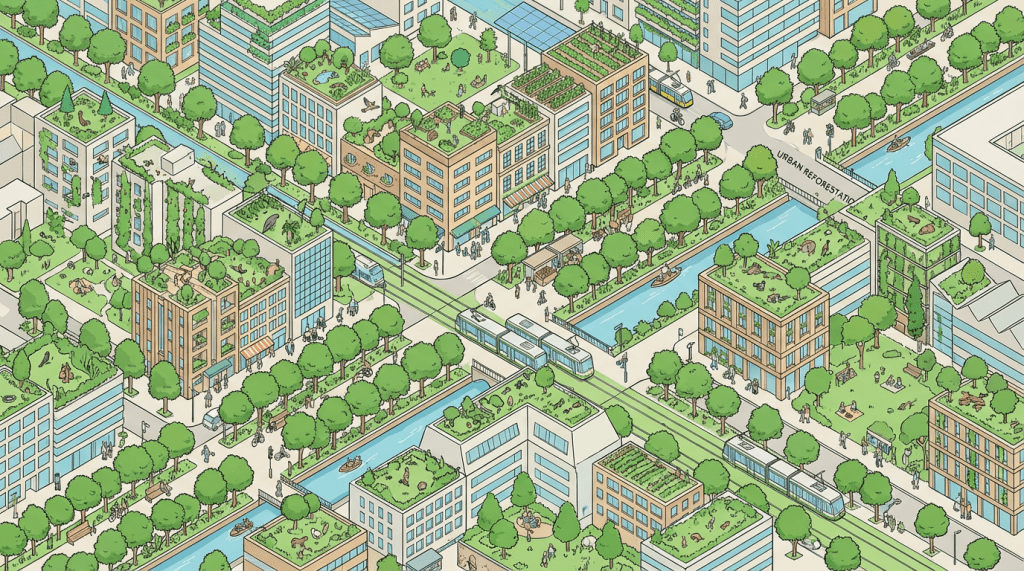
Tackling urban heat islands: Real-world and emerging solutions
It’s 8 pm on a Tuesday in the summer. You’ve just stepped out of an air-conditioned office block in the CBD, expecting the cool relief of the evening air. Instead, you’re hit with a wall of heat. The pavement radiates warmth through the soles of your shoes, and the brick…
-

When your city becomes a subscription: Why the future of governance is service-based
Imagine it’s a Tuesday morning. You need to renew your driver’s licence, register a new business, and perhaps file a noise complaint about the construction down the street. In the traditional world – let’s call it “City A” – this involves a half-day taken off work, standing in a fluorescent-lit…
-
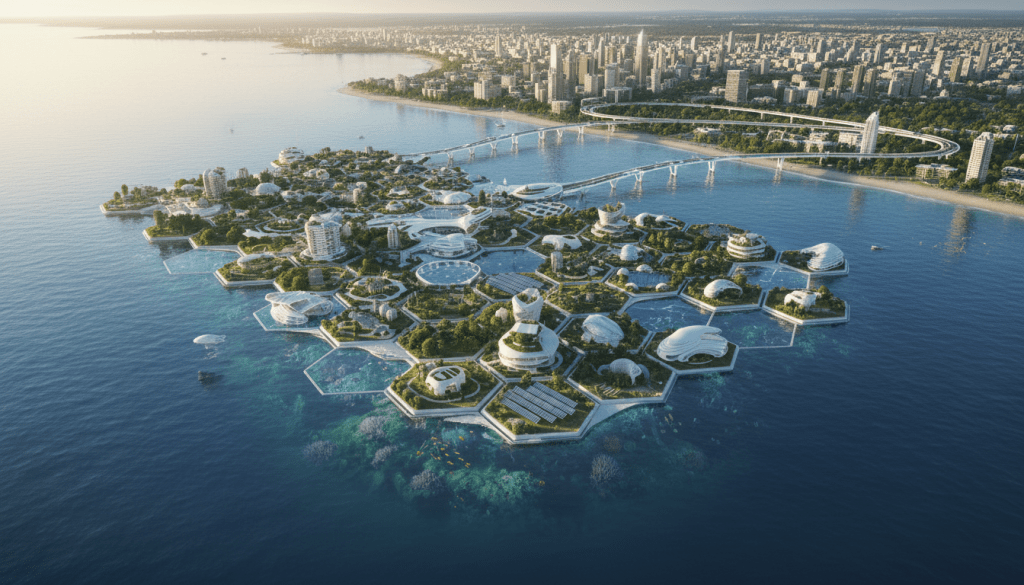
The age of amphibious cities: Why we must learn to live on the water
The twenty-first century is defined by a collision of forces. On one side, we have rapid global urbanization; on the other, the relentless encroachment of the sea. As humanity clusters into coastal megacities, the ground beneath our feet is becoming increasingly unstable. Jakarta is sinking. Miami is battling “sunny day…
 Vitruvian Solutions