Category: Uncategorized
-
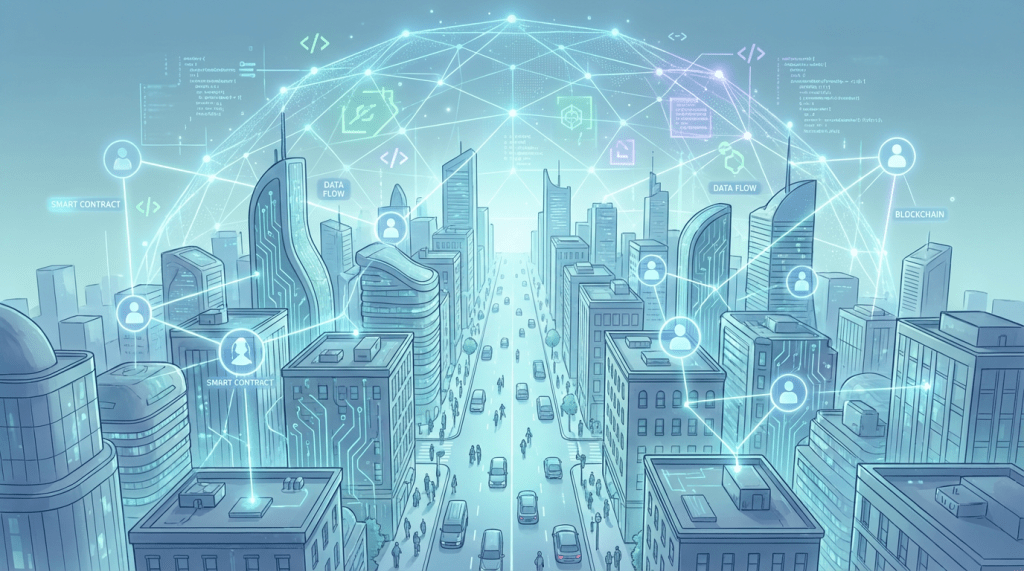
The city is broken. Can DAOs fix it?
The modern city is a paradox. It is where human potential aggregates, yet the systems that govern our urban lives are increasingly fractured. For the last decade, we were promised “Smart Cities” – a glittering future of optimised traffic flows and seamless connectivity delivered by technology giants. While these initiatives…
-

From big to balanced: The role of mid-sized cities ahead
Picture this: Sarah, a 32-year-old software engineer, wakes up each morning in her cramped New York City flat. The commute on the packed subway drains her energy before she even logs in for work. Rent eats up half her salary, and weekends are spent dodging crowds just to grab a…
-

The power of visioning in shaping urban futures
Imagine standing on a bustling street corner in a city you’ve never visited, but one that feels strangely familiar. The air is crisp, filled with the hum of electric vehicles gliding past, and green spaces weave through towering buildings like threads in a tapestry. People from all walks of life…
-

Housing: the foundation of thriving cities
In an era where more than half the world’s population calls cities home, housing stands as the unspoken backbone of urban life. From the bustling streets of Tokyo to the historic districts of Vienna, affordable and accessible homes are not just shelters – they are the threads that weave together…
-

Fail fast, build better: Why urban experimentation is key to our cities
Imagine a bustling city street. Now, picture a forgotten, fenced-off parking lot on that same street—a dead space of cracked asphalt and weeds. For decades, city planners might have zoned it for “commercial use,” earmarked for a 10-year development plan that never arrived. It’s a familiar sight in almost every…
-
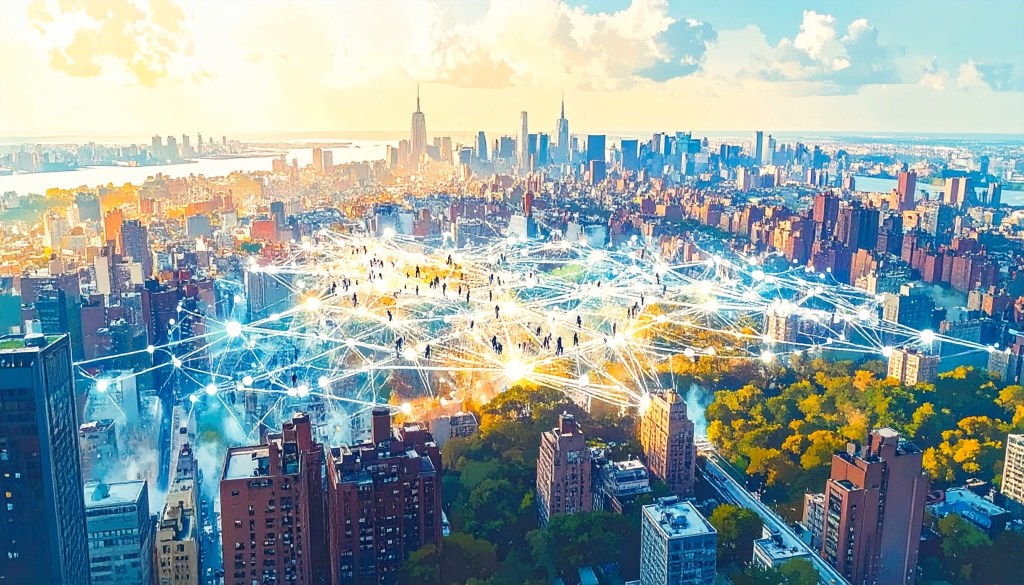
Is blockchain the key to a more citizen-centric city? How blockchain will reinvent urban governance
A city is more than just a collection of buildings, roads, and people; it is a complex web of agreements, transactions, and shared truths. We trust that our vote will be counted, that the deed to our home is secure, that the taxes we pay are allocated fairly, and that…
-
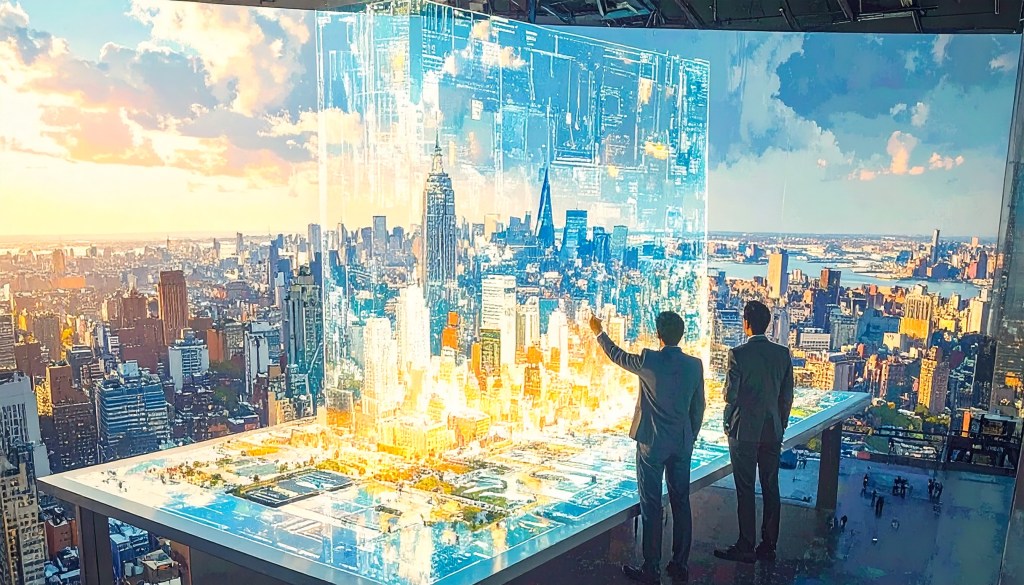
The algorithmic metropolis: AI’s impact on urban operations and systemic foresight
Cities are the most complex systems humanity has ever built. They are dense, dynamic, and non-linear networks of infrastructure, economies, and human behaviours. For a century, we’ve attempted to manage this incredible complexity with 20th-century tools: static master plans, siloed city departments, and a fundamentally reactive approach to maintenance. That…
-

Beyond the logo: Why a city’s brand can be its blueprint for the future
What makes you choose one city over another for a holiday? Why does a tech start-up plant its roots in Bristol instead of Berlin? And what convinces a young family to settle in Manchester rather than moving to Milan? Often, the answer lies in a powerful, unspoken force: the city’s…
-

Resilience in cities: Bouncing forward for a better future
In the ever-changing landscape of urban life, resilience has emerged as a cornerstone for how cities can navigate shocks and stresses, from devastating natural disasters to economic upheavals. Traditionally, the concept implied a return to the pre-crisis state – a straightforward bounce back to normalcy. Yet, a more progressive interpretation…
-

From software to streets: How Residuality Theory enhances urban antifragility
Cities face unprecedented challenges from climate volatility, population growth, and economic shocks, demanding designs that not only withstand stress but thrive amid uncertainty. Residuality Theory, originally developed for software engineering, offers a framework for analysing complex systems through their residues – the surviving elements after exposure to stressors. By treating…
 Vitruvian Solutions