What makes you choose one city over another for a holiday? Why does a tech start-up plant its roots in Bristol instead of Berlin? And what convinces a young family to settle in Manchester rather than moving to Milan? Often, the answer lies in a powerful, unspoken force: the city’s brand.
When we hear the term ‘branding,’ our minds might jump to corporate logos and catchy advertising slogans. But when applied to a place—a city, a region, or even a nation—it becomes something far more profound. Place branding isn’t about designing a new crest for the town hall or plastering a peppy tagline on tourist brochures. It is the strategic and holistic process of discovering, shaping, and communicating a city’s unique identity to build a coherent and positive reputation.
In an increasingly globalised world where cities compete for talent, investment, and tourism, a strong identity is no longer a luxury; it is an essential tool for survival and growth. But this process is fraught with complexity. Get it right, and you can unlock enormous economic and social potential. Get it wrong, and you risk creating a hollow, inauthentic shell that alienates the very people who make the city what it is.
So, let’s explore why place branding matters more than ever for the future of our urban centres, examining its benefits, its pitfalls, and the examples that light the way.
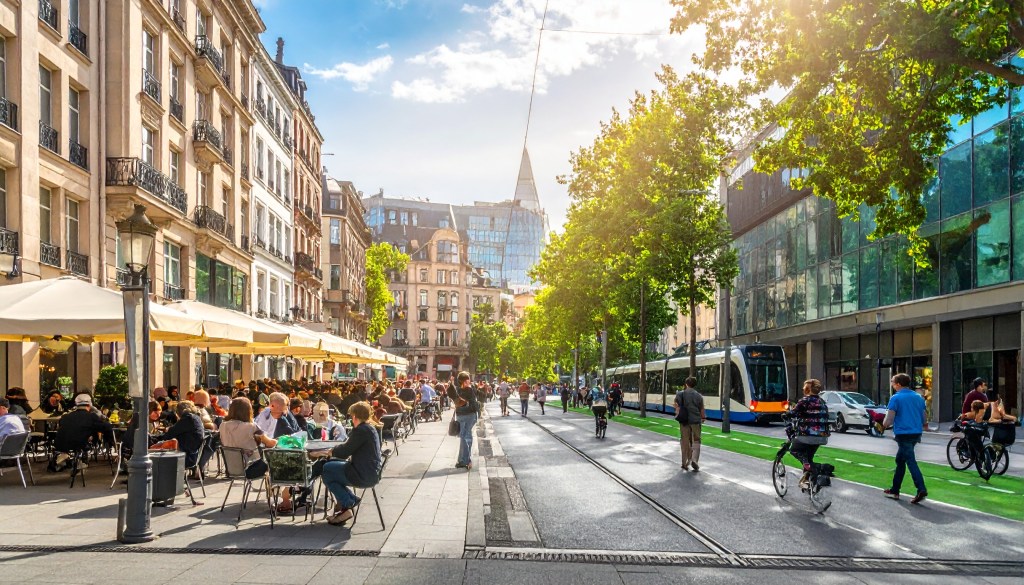
What exactly is place branding? It’s more than marketing
At its core, place branding is about unearthing a city’s ‘soul’. It’s an exercise in urban introspection. It asks the fundamental questions: Who are we? What do we stand for? What makes us unique? Where are we going?
Unlike product branding, which can often invent a persona, a city’s brand must be rooted in an authentic truth. It’s a delicate blend of tangible assets—like architecture, infrastructure, and green spaces—and intangible qualities, such as the local culture, the historical narrative, the creative energy, and the spirit of the people.
A successful place brand is not imposed from the top down by a marketing agency. It is co-created. It involves listening to residents, collaborating with local businesses, engaging community groups, and aligning the vision of civic leaders. The result is not just a marketing campaign, but a shared story and a strategic framework that can guide everything from economic policy and urban planning to cultural programming and public services.
The strategic tension at the heart of this process—whether a brand should be a proactive blueprint for development or the natural outcome of it—is explored in depth in the What is The Future for Cities? podcast‘s debate on the book The Civic Brand:
The transformative power of a strong city brand
When a city successfully cultivates a compelling and authentic brand, the benefits are far-reaching and can fundamentally shape its future trajectory.
1. Attracting talent and investment
In the global knowledge economy, the most valuable resource is human capital. Talented professionals, entrepreneurs, and creatives are mobile, and they are drawn to cities that offer not just a job, but a lifestyle. A strong brand that communicates a high quality of life, a vibrant cultural scene, and a forward-thinking ethos—like Copenhagen’s reputation for sustainability and design—acts as a magnet for skilled workers. This, in turn, attracts businesses and foreign direct investment, as companies flock to where the talent is, creating a virtuous cycle of economic prosperity.
2. Boosting tourism and the visitor economy
In a world of infinite travel choices, a clear and distinctive identity helps a city stand out. Branding allows a city to move beyond just being a collection of landmarks and to offer a unique experience. Whether it’s the rebellious, creative spirit of Berlin or the romantic, historic grandeur of Rome, a powerful narrative helps attract the right kind of tourists—those who will appreciate the city’s character, engage with its culture, and contribute positively to its economy.
3. Fostering civic pride and social cohesion
Perhaps the most overlooked benefit of place branding is its internal impact. A brand that resonates with its residents can foster a powerful sense of shared identity and belonging. When people feel proud of where they live, they are more likely to become active and engaged citizens. They become the city’s greatest ambassadors, sharing its story with passion and authenticity. This shared narrative can help bridge social divides and unite a diverse population around a common purpose and a collective vision for the future.
4. Providing a ‘North Star’ for urban development
A well-defined brand acts as a strategic filter for decision-making. Should we invest in a new technology park or a new modern art gallery? Should our planning regulations prioritise heritage preservation or bold new architecture? The city’s brand provides the answer. If a city has branded itself as a hub of innovation, then investing in digital infrastructure makes sense. If its identity is tied to its historic character, then sensitive urban planning is paramount. This strategic clarity ensures that development is coherent and reinforces the city’s core identity, rather than diluting it.
To hear more about how a shared identity can empower communities, listen to the interview with Ryan Short, author of The Civic Brand, on the What is The Future for Cities? podcast:
Case studies in success: When branding gets it right
Glasgow: “People Make Glasgow”
For decades, Glasgow grappled with a post-industrial reputation for roughness and decline. Early campaigns like “Glasgow’s Miles Better” were successful but focused primarily on external perceptions. The turning point came with the “People Make Glasgow” brand. This wasn’t dreamt up in a boardroom; it was the result of a massive public consultation. The slogan captured the universally acknowledged truth about the city: its greatest asset is the warmth, humour, and resilience of its people. It is authentic, inclusive, and deeply felt by Glaswegians. It works because it is true, providing a platform for everything from major events like the Commonwealth Games to local community initiatives.
Copenhagen: The Liveable, Sustainable City
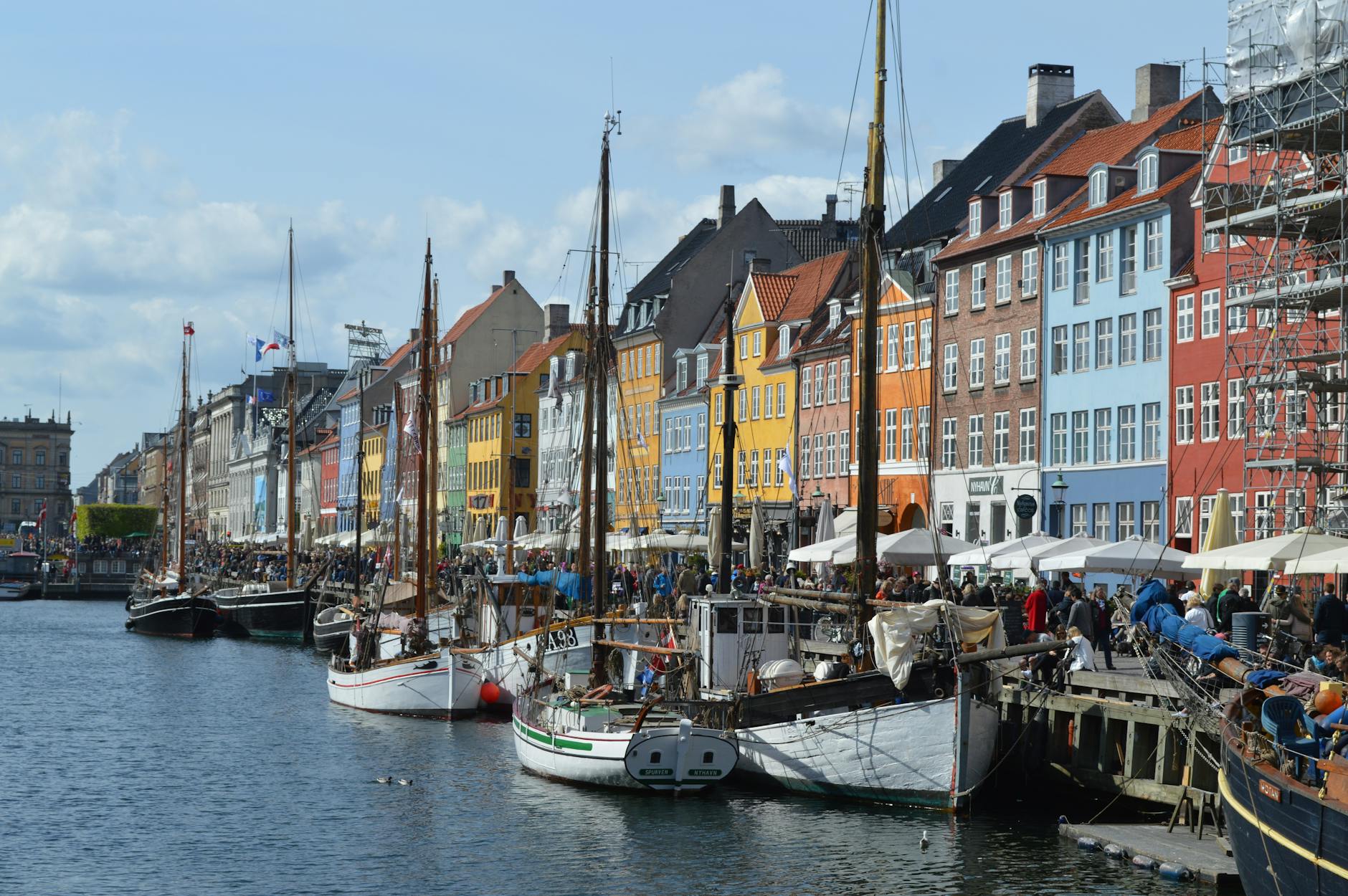
Copenhagen has masterfully branded itself as a global leader in sustainability, design, and quality of life. This brand isn’t just a slogan; it is manifested in the city’s very fabric. Decades of consistent investment in world-class cycling infrastructure, clean energy, and beautiful public spaces have made the brand a reality. The city lives its brand every day. As a result, Copenhagen attracts global talent in green technology, architecture, and design, and is consistently ranked among the world’s most liveable cities. The brand and the reality are one and the same.
When branding goes wrong
For all its potential, the path of place branding is littered with cautionary tales. Failure often stems from a lack of authenticity, a disregard for residents, or a simplistic approach to a complex entity.
1. The authenticity trap
The most common mistake is creating a brand that is a top-down, aspirational fantasy with no connection to the lived reality of the city. Generic slogans like “A Great Place to Live, Work, and Play” are meaningless because they could apply to anywhere. When a brand feels like a corporate marketing gimmick, residents will be the first to reject it, leading to cynicism and disengagement. The brand must be earned, not just declared.
2. Ignoring the locals: The engine of gentrification
A dangerous pitfall is creating a brand that is designed exclusively for an external audience—tourists and investors. When a city is polished and packaged for consumption by outsiders, it can accelerate gentrification, drive up living costs, and displace long-term residents. The very culture that made the city interesting in the first place is commodified and sanitised, turning vibrant neighbourhoods into soulless tourist zones. A successful brand must prioritise its citizens; otherwise, the city risks selling its soul.
3. The curse of oversimplification
Cities are messy, multifaceted, and diverse organisms. A branding process that tries to reduce this complexity to a single, neat idea is doomed to fail. Focusing solely on the ‘tech hub’ image might ignore the city’s thriving arts scene or its rich working-class heritage. This one-dimensional branding can erase important local cultures and create a sterile, monolithic identity that fails to represent the true character of the place and its people.
A notorious example, though well-intentioned, was the attempt to brand the town of Slough with the slogan “Slough… It’s a feeling.” It was abstract, disconnected from any tangible reality of the place, and was widely mocked for its corporate and meaningless tone. It demonstrated a failure to connect with the genuine identity and perceptions of the town.
The future is authentic: Branding as a shared journey
So, what is the way forward?
The future of successful place branding lies in seeing it not as a marketing campaign, but as a continuous process of place-making. It must be built from the inside out, starting with the very people who give the city its life and character.
- It Must Be Collaborative: Engage residents from all walks of life. The process should be a city-wide conversation, not a closed-door meeting.
- It Must Be Authentic: The brand must be rooted in the city’s genuine DNA—its history, its culture, its strengths, and even its challenges. Honesty is more compelling than perfection.
- It Must Be a Long-Term Vision: A brand is not a three-month project. It is a long-term commitment that must guide policy and investment for years, evolving as the city evolves.

In the 21st century, a city’s most valuable asset is its identity. A strong, authentic brand can provide the narrative and the direction needed to navigate the challenges of the future—from climate change to economic disruption. Done badly, it is a superficial and divisive exercise in marketing. But done well, with courage and honesty, place branding is nothing less than the collective act of imagining and building a better future for a city and all its inhabitants.
It’s about deciding not just how the world sees the city, but how the city sees itself.
Next week, we are investigating AI and ML prediction opportunities and challenges!
Ready to build a better tomorrow for our cities? I’d love to hear your thoughts, ideas, or even explore ways we can collaborate. Connect with me at info@fannimelles.com or find me on Twitter/X at @fannimelles – let’s make urban innovation a reality together!
 Vitruvian Solutions
Leave a comment