Welcome to a world of limitless possibilities, where the journey is as exhilarating as the destination, and where every moment is an opportunity to make your mark on the canvas of existence. The only limit is the extent of your imagination.
Subscribe for more
-
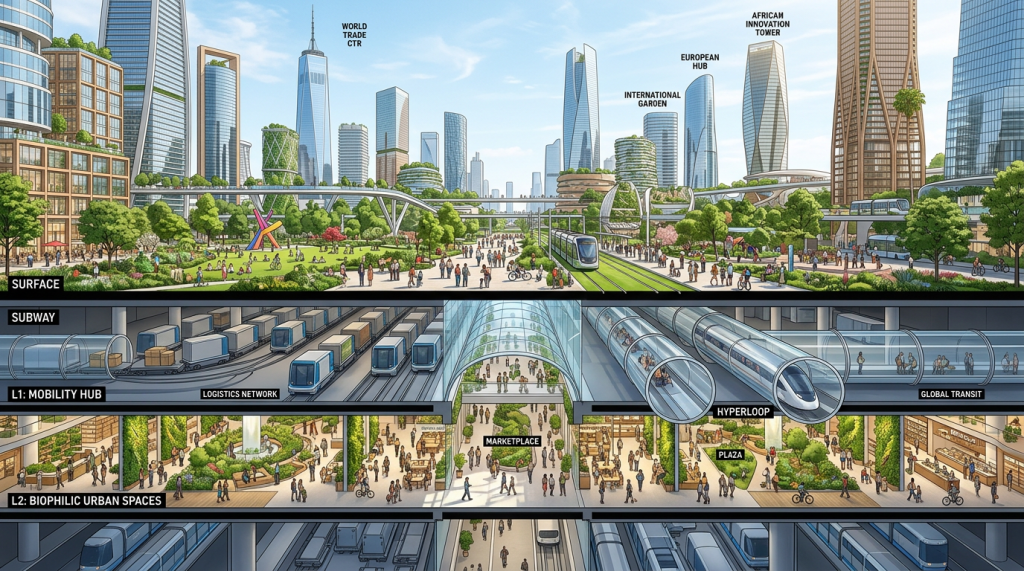
Beneath our feet: The role of underground infrastructure in the future of cities
As the global population continues to expand, our cities are facing an unprecedented spatial crisis. For centuries, urban planners and architects have relied on two primary dimensions of growth: expanding outward into sprawling suburbs, or reaching upward with towering skyscrapers. However, as metropolitan areas globally grapple with dwindling land availability, sky-high real estate prices, and…
-
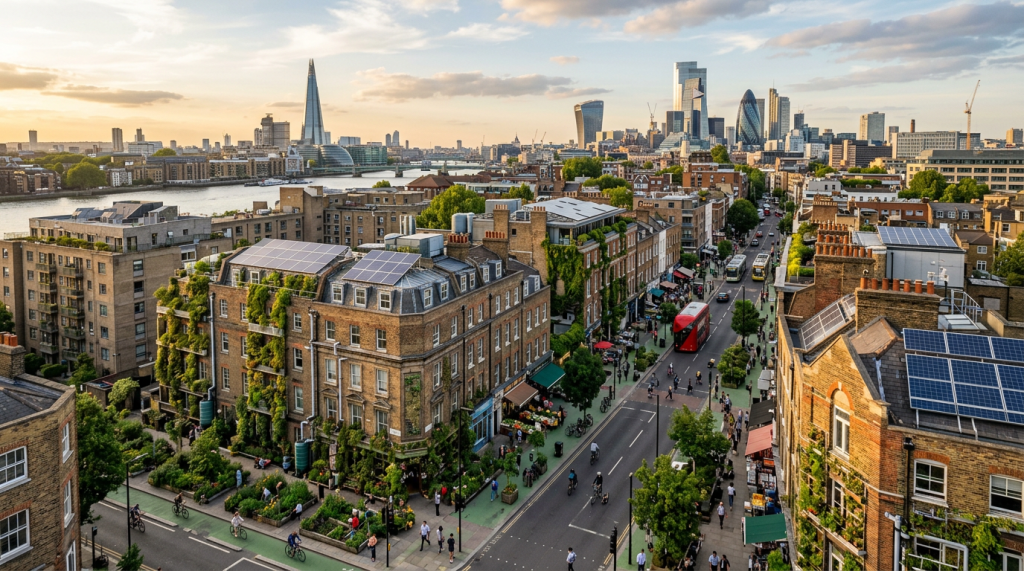
Protopia: The realistic path to regenerative and antifragile cities
Look around any major global metropolis today. It is undoubtedly a marvel of human engineering, yet beneath the glittering glass facades, the traditional modern city is too often built upon a linear, industrial model that struggles to harmonise with the natural landscape. In stark contrast, modern media frequently romanticises the isolated, off-grid eco-commune – idyllic…
-
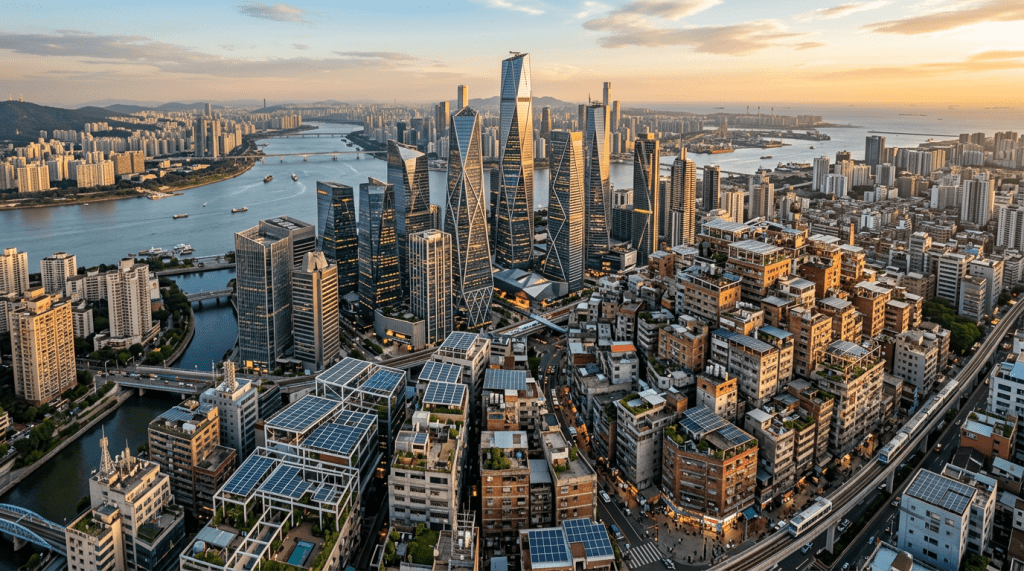
Rethinking the global metropolis: The role of informal settlements in future cities
As the global population rapidly urbanises, the traditional model of city planning is being fundamentally tested. By the middle of the twenty-first century, a vast proportion of demographic growth will not occur in master-planned suburbs or meticulously zoned high-rise districts, but in informal settlements. Often categorised as slums, favelas, shantytowns, or kampungs, these self-constructed neighbourhoods…
-
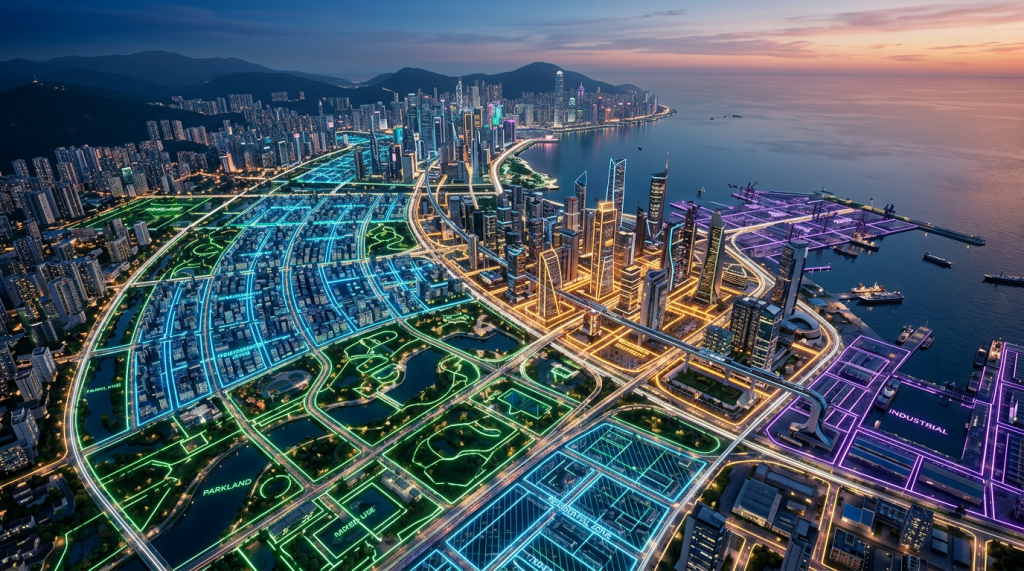
The invisible blueprint: How land use and zoning shape the future of our cities (for better or worse)
When we think about the future of our cities, our minds often gravitate towards striking architecture, advanced transport networks, or sprawling public parks. However, one of the true driving forces behind how a city functions, grows, and evolves is largely invisible to the naked eye. It is encoded in thick municipal rulebooks, complex maps, and…
-
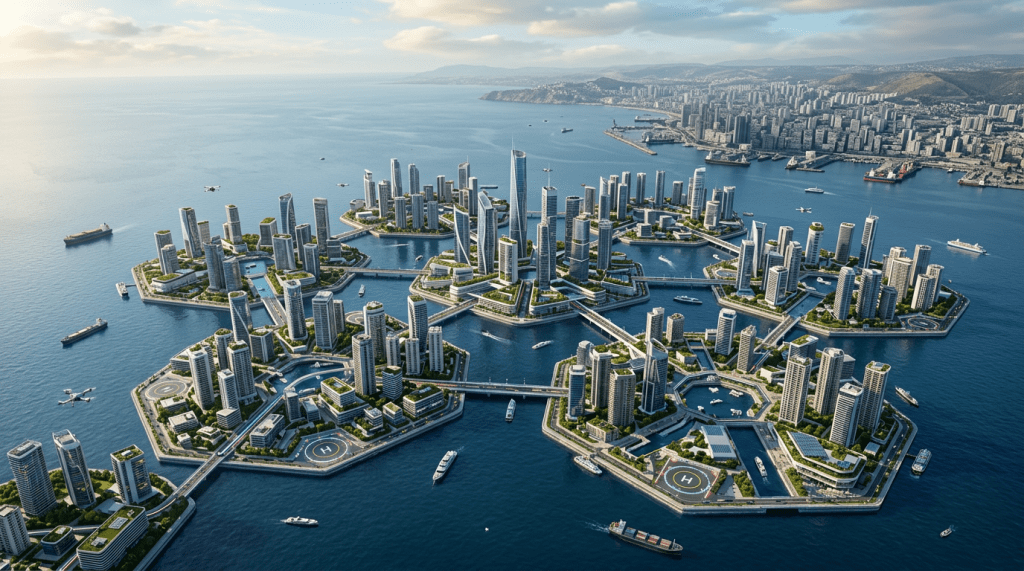
Rethinking urban governance: How start-up societies could define the future of cities
For generations, the fundamental model of the city has remained relatively static. Urban centres have functioned as massive, slowly evolving administrative zones, governed by complex bureaucracies and deeply entrenched political systems. While this model propelled humanity through the industrial age, modern metropolitan areas are increasingly characterised by gridlock, both physical and administrative. Legacy cities often…
-
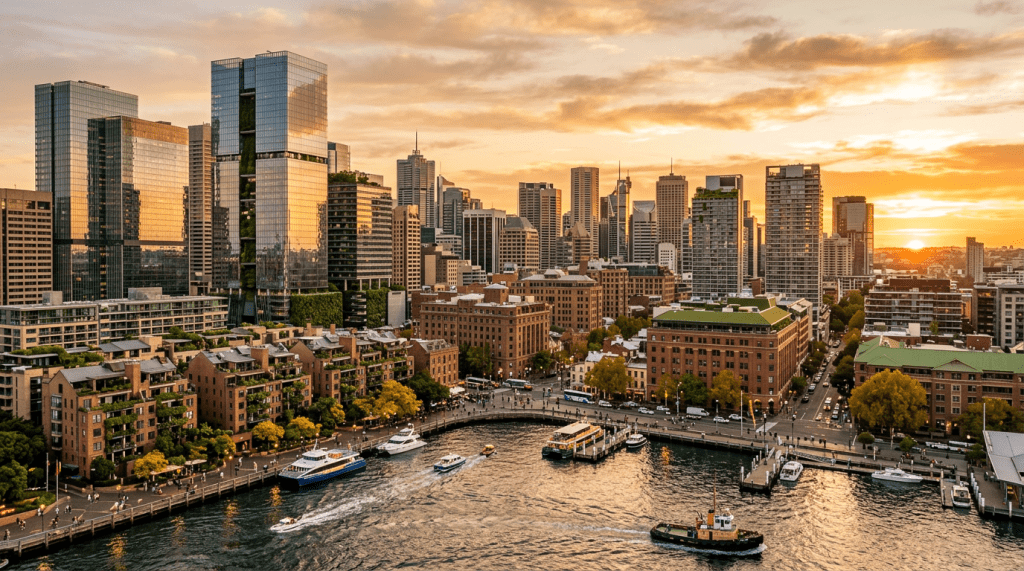
Shaping tomorrow: Why market-driven development could hold the key to future cities
By the year 2050, the United Nations projects that nearly seventy per cent of the global population will live in urban areas. This unprecedented wave of urbanisation presents a staggering challenge: how do we house, employ, and transport billions of people while improving standards of liveability? For decades, the dominant answer has been heavily centralised,…

