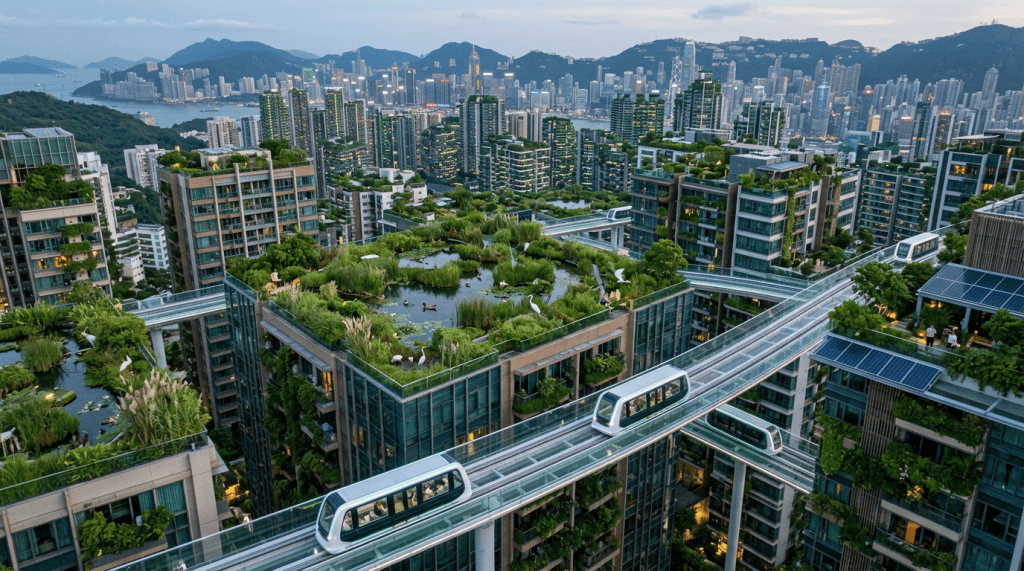
When we look back at the history of urban development, it is impossible not to marvel at the sheer scale of human ingenuity. For millennia, our primary objective was survival in a world that was often hostile and unpredictable. We achieved this by mastering our environment. We engineered incredible feats of sanitation that eradicated waterborne diseases like cholera, paving the way for millions to live closely together in safety. We developed robust building materials – steel, glass, and concrete – that allowed us to construct weather-proof towers reaching into the clouds, sheltering us from the harsh extremes of the natural world. Our modern cities, with their reliable power grids, paved roads, and heavily managed water systems, represent a monumental triumph of human engineering and organisation.
We built walls to keep out predators, and we paved over mud to create predictable, sanitary ground. In doing so, we created engines of innovation, culture, and prosperity that have lifted billions out of poverty and connected the globe. We have successfully secured our place on this planet. Having achieved this incredible baseline of safety and comfort, we now possess the technological capability and the historical distance to ask a fascinating question: what comes next?
Now that we no longer need to build fortresses against nature to survive, we have the opportunity to explore a new paradigm. What if we transitioned our role from the conquerors of our environment to its chief curators? There is an exciting opportunity to explore how humanity might act as a conscious keystone species, designing urban futures where our presence actively generates the conditions for broader life to flourish alongside our own.
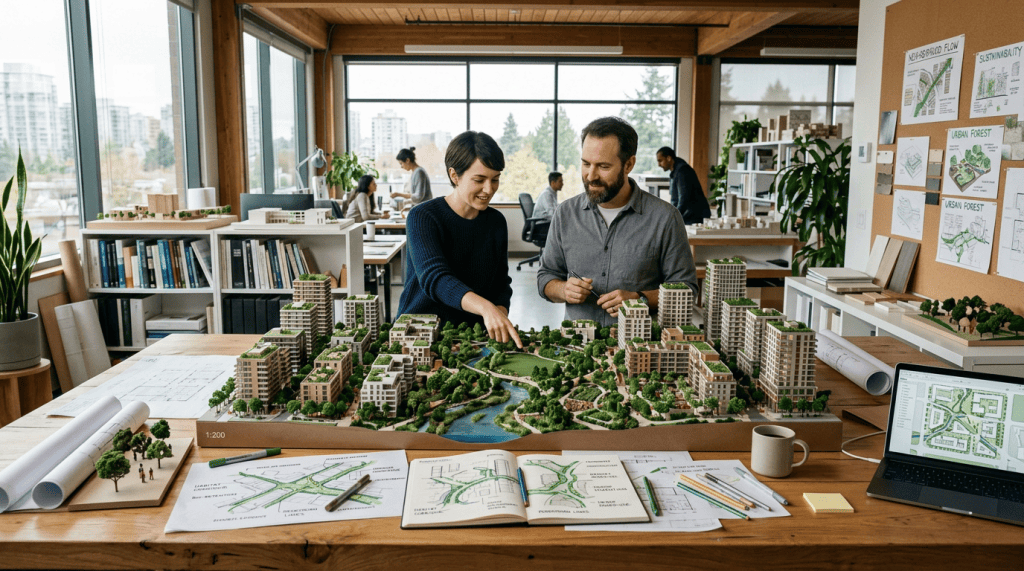
The keystone concept: A new lens for urban design
In the study of ecology, a keystone species is an organism that helps hold an entire ecosystem together. Without it, the system would look dramatically different or might even collapse. A classic example is the beaver. Beavers fell trees and build dams primarily for their own protection and shelter. However, the byproduct of this engineering is the creation of deep, calm ponds and wetlands that suddenly provide habitat for frogs, fish, waterfowl, and countless insects. The beaver secures its own needs, but in a way that multiplies the biological richness of its surroundings.
Currently, humans are the ultimate ecosystem engineers, but we have largely used this power to simplify our environments for the sake of efficiency and hygiene. The keystone concept invites us to imagine a future where we design our cities with the same robust functionality as before, but with a deliberate, secondary goal of biological complexity. We have already proven we can conquer the landscape; the next fascinating challenge for architects, planners, and urban thinkers is to see if we can orchestrate it.
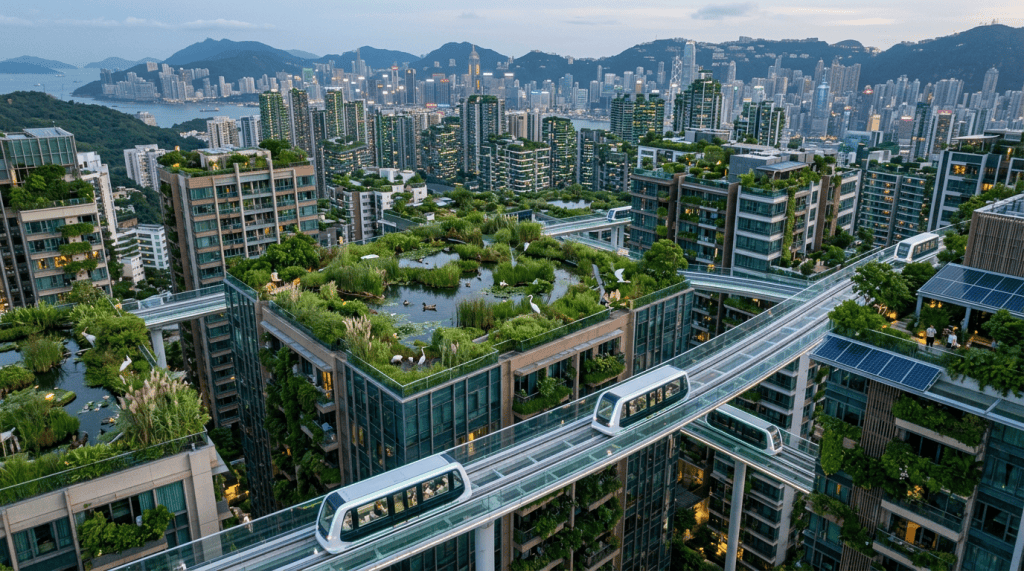
If we adopted this keystone mindset, we would begin to view our buildings, streets, and infrastructure as armatures for life. Just as a coral reef provides the structural foundation for a vast marine food web, our urban structures could provide the physical framework for diverse biological communities. This does not mean abandoning the comforts and safety of the modern metropolis. Rather, it means leveraging our advanced material sciences and engineering prowess to design facades that welcome mosses and ferns, roofs that serve as waystations for migratory birds, and streetscapes that manage stormwater while feeding local pollinators.
Caroline Howell, CEO and Co-Founder of Canopy, talked about how this mindset can help people become regenerators of a land in episode 456I on the What is The Future for Cities? podcast:
Scales of intervention
To fully appreciate the potential of this thought experiment, it is helpful to break down what it might look like across the different layers of our urban fabric. The transition to a keystone species model offers opportunities at every level of human habitation.
The micro scale
At the most intimate scale, becoming a keystone species involves individual buildings, residential blocks, and the private spaces of everyday citizens. It begins on window sills, balconies, courtyards, and the very skins of our homes. Imagine high-density residential towers where architectural guidelines encourage the integration of nesting bricks for solitary bees and small birds directly into the masonry.
Urban residents could cultivate specific native flora that provides essential nectar for local insect populations. A simple balcony garden, when multiplied by thousands across a high-rise district, creates a vital, vertical corridor for butterflies and small avians. At this micro scale, humans act as cultivators. We could implement advanced domestic composting systems integrated seamlessly into apartment plumbing, transforming food waste into nutrient-dense liquid fertilisers that feed communal rooftop gardens. By tweaking the design of our immediate living quarters, we can choose to share a fraction of our space, creating thousands of micro-habitats without sacrificing our own comfort or safety.
The meso scale
Moving out to the neighbourhood or precinct level, the keystone role becomes a fascinating exercise in civic collaboration and public works. This is the scale of the street verge, the local park, the shopping district, and the suburban block.
Consider the potential of daylighting historic creeks. Many of our modern cities were built over vital waterways, burying them in concrete pipes to manage flooding and sanitation. With our advanced understanding of hydrology, we now have the opportunity to bring some of these watercourses back to the surface. By carefully engineering riparian zones alongside pedestrian promenades, we can cool the surrounding air and provide a habitat for local fish and amphibians. Neighbourhoods might transition from standard ornamental planting to indigenous meadows and urban food forests. Local planners could experiment with permeable pavements and bioswales that manage stormwater locally, creating engineered micro-wetlands that filter runoff before it reaches larger bays or rivers. At the meso scale, the human keystone species orchestrates a complex choreography, ensuring that the local biological web thrives alongside human commerce, recreation, and transport.
The macro scale
On the macro scale, we look at the city in its entirety and its integration with the surrounding bioregion. This is the domain of city-wide zoning, major infrastructure projects, and regional ecological corridors.
A city experimenting with keystone principles might establish vast, unbroken greenways that connect outlying wilderness areas directly through the urban core, allowing larger fauna to migrate safely across the landscape without interacting with heavy traffic. It involves rethinking the urban metabolism – how a metropolis processes its water, energy, and materials on a grand scale. We could expand upon existing models like constructed wetlands, where massive, engineered water treatment plants double as internationally recognised bird sanctuaries. Macro-level keystone behaviour means using urban forestry on a massive scale to buffer the city against extreme weather, wind, and heat, whilst simultaneously generating habitats. The macro scale presents the opportunity to design a metropolitan area that acts as a vital, highly productive organ within its broader geographical region.
As an example for the meso scale, Andy Roberts, Urban Design Director of Planit, described how beavers were introduced to a London area instead of damming infrastructure as a regenerative measure in episode 446 of the What is The Future for Cities? podcast:
Advantages of biological integration
Thinking about cities through this keystone lens illuminates several compelling advantages that could dramatically improve the future of urban living.
Firstly, there is a tremendous potential boost to environmental resilience. Urban environments that harbour high levels of biodiversity are far more adaptable to external shocks. A diverse urban forest, curated by human planners, is much less susceptible to being completely wiped out by a single pest or pathogen than a standard monoculture of identical street trees. Furthermore, wetlands, bioswales, and porous surfaces integrated into the urban fabric can absorb storm surges and heavy rainfall incredibly effectively, naturally mitigating the flood risks that challenge many heavily paved cities today.
Secondly, there are profound physiological and psychological benefits for the human population. The biophilia hypothesis suggests that humans possess an innate, evolutionary tendency to seek connections with nature and other forms of life. Integrating more flora and fauna into our daily routines has been shown to lower cortisol levels, reduce stress, and encourage outdoor physical activity. The ambient temperature of a highly vegetated city is also significantly cooler, combating the urban heat island effect that makes modern summers increasingly uncomfortable.
Furthermore, there is a robust economic argument for this approach. Natural systems can perform many tasks more efficiently than mechanical ones. By relying on ecosystem services – such as using engineered reed beds for water filtration or specific tree canopies for air purification – cities can potentially reduce the maintenance costs associated with heavy mechanical infrastructure. Additionally, a shift toward greener cities opens up entirely new economic sectors. We would see the rapid growth of industries related to ecological engineering, advanced horticulture, living architecture, and urban agriculture, providing highly skilled employment opportunities for the next generation.
Louis de Jaeger, award-winning filmmaker, author, and landscape designer, talked about the economic benefits of regenerative infrastructure (among others) in episode 412 of the What is The Future for Cities? podcast:
Disadvantages and the friction of wilder cities
While the concept is inspiring, exploring this path requires an honest assessment of the challenges. Re-integrating nature into the highly ordered fabric of a modern city introduces a degree of friction and unpredictability that we have historically tried to engineer out of our lives.
The primary concern is the inherent conflict between wild ecosystems and the pristine order that many humans expect from their urban environments. When we invite nature back into the city, we cannot entirely dictate the guest list. A city that successfully welcomes pollinators and songbirds will also inevitably attract species that many consider pests, such as rodents, certain insects, and opportunistic scavengers like foxes or aggressive bird species. In some regions, establishing genuine wildlife corridors increases the likelihood of larger animals wandering into residential zones. Managing these interactions requires a high degree of public tolerance and education, which can be a significant cultural hurdle.
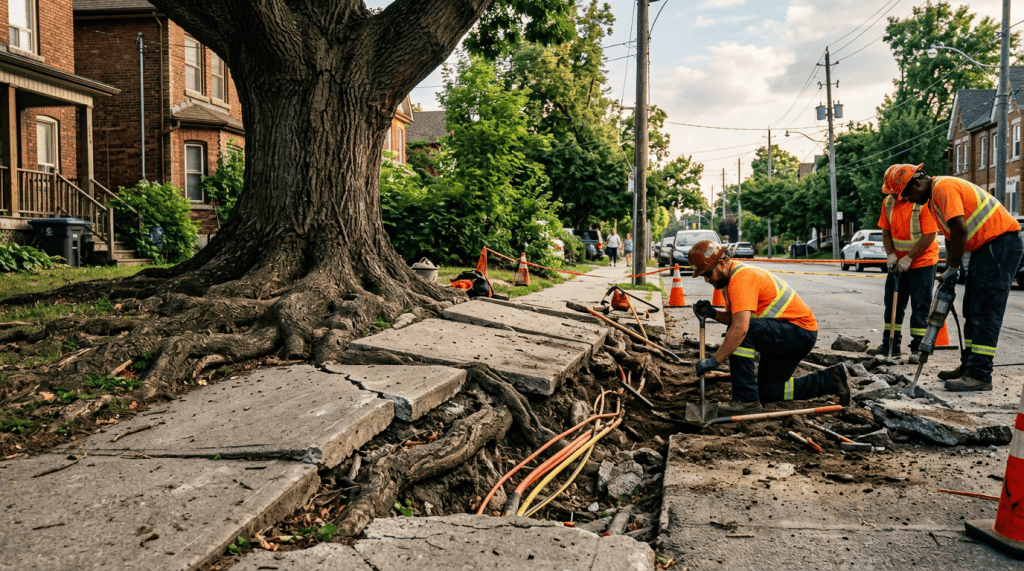
There are also highly practical concerns regarding infrastructure damage. The roots of large canopy trees, if not meticulously planned and contained using advanced silva cells, can buckle pavements, infiltrate sewer lines, and destabilise building foundations. Green roofs and living facades are beautiful, but they require ongoing maintenance, watering systems, and structural reinforcement to handle the massive weight of wet soil. If these living systems are neglected, they can quickly deteriorate, causing water leaks, structural decay, and visual blight.
Finally, we must consider the management of vector-borne diseases. Urban wetlands and bioswales are excellent for water filtration, but without perfect ecological balance, they can become breeding grounds for mosquitoes. Careful engineering is required to ensure water is constantly moving or that predatory species like dragonflies are present, as the fear of dampness and insects remains a powerful and entirely valid barrier to widespread water-based ecological design.
Outlook: The next fifty years
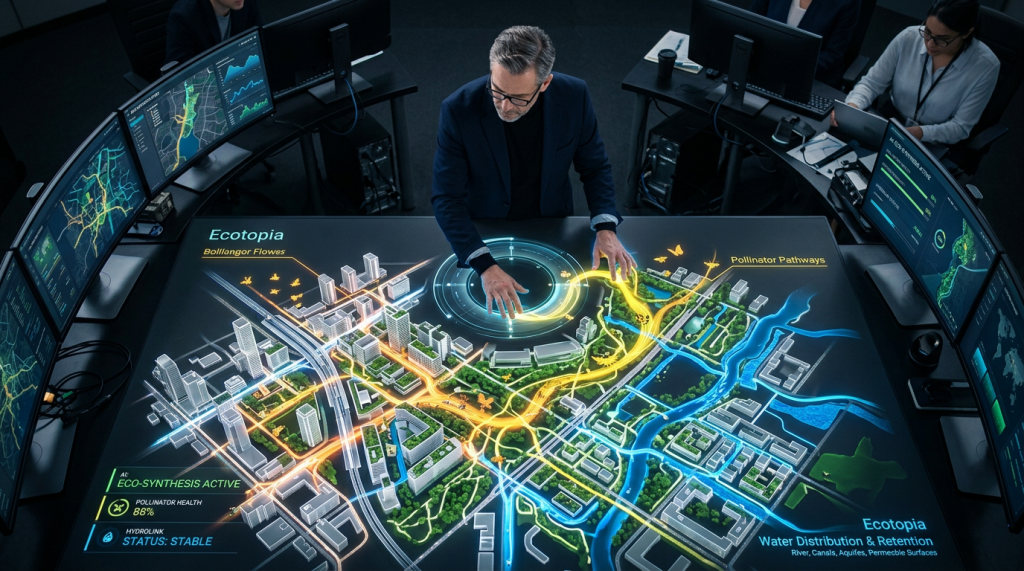
Looking ahead, the evolution of the city over the next fifty years could be defined by a fascinating synthesis of advanced technology and biological stewardship. We are entering an era of biodigital convergence, where sensor networks, artificial intelligence, and biotechnology will give us unprecedented tools to monitor and support complex urban ecosystems.
If we choose to adopt the keystone role, we will not manage urban nature through guesswork, but through highly responsive, data-driven systems. We might see the rise of intelligent living architecture, where building materials are biologically active. We could develop skyscrapers clad in engineered panels that monitor local air quality and adjust the hydration of their integrated plant life automatically. Mycelium-based building materials could allow certain structures to safely decompose at the end of their lifecycle, returning nutrients to the urban soil.
Urban planning could shift from a static discipline of zoning and concrete to a dynamic practice of ecosystem management. Planners will have the tools to act like master gardeners, tweaking variables to encourage certain biological flows and ensure harmony between the built and the grown. The cities of the future could blur the line between human engineering and the natural world, proving that our technological mastery can be used to curate life rather than simply exclude it.
Our ancestors achieved something miraculous: they conquered the elements and built urban fortresses that allowed humanity to thrive, multiply, and innovate in unprecedented safety. We should be immensely proud of the sanitary, structural, and logistical triumphs of the modern city. However, having secured our survival, we are now in a privileged position to consider our next evolutionary step as city builders. The concept of humans as an urban keystone species provides a compelling framework for the future. By using our immense engineering capabilities to actively curate and support biodiversity across micro, meso, and macro scales, we can create cities that are not only safe and prosperous but biologically rich. While this approach introduces new complexities regarding maintenance and human-wildlife friction, the potential benefits for human health, economic innovation, and environmental resilience make it a thrilling avenue for exploration.
The concept of the keystone city is an invitation to dream bigger about the spaces we inhabit.
Let us use the brilliant foundation built by our predecessors as a launching pad to engineer a vibrant, thriving, and deeply alive urban future.
Next week, we are investigating distributed energy systems!
Ready to build a better tomorrow for our cities? I’d love to hear your thoughts, ideas, or even explore ways we can collaborate. Connect with me at info@fannimelles.com or find me on Twitter/X at @fannimelles – let’s make urban innovation a reality together!


Leave a comment