As the world becomes more urbanised, cities are at the heart of how societies grow and change. While large cities like New York or Tokyo often grab the headlines for their size and influence, mid-sized cities are quietly emerging as key players in shaping the future. These cities, typically with populations between 100,000 and 1,000,000 people, offer a balance that could help address some of the biggest issues facing urban areas today. They combine the energy of city life with more manageable scales, making them attractive for people, businesses, and planners looking ahead.
What role might mid-sized cities play in the coming years? We will look at their strengths, how they can ease pressures on bigger cities, and examples of where they are already making a difference. By examining trends in economics, technology, and planning, we can see why these cities could become models for balanced urban growth. The discussion draws on recent studies and observations to provide a clear picture, without getting bogged down in complex terms.
Defining mid-sized cities
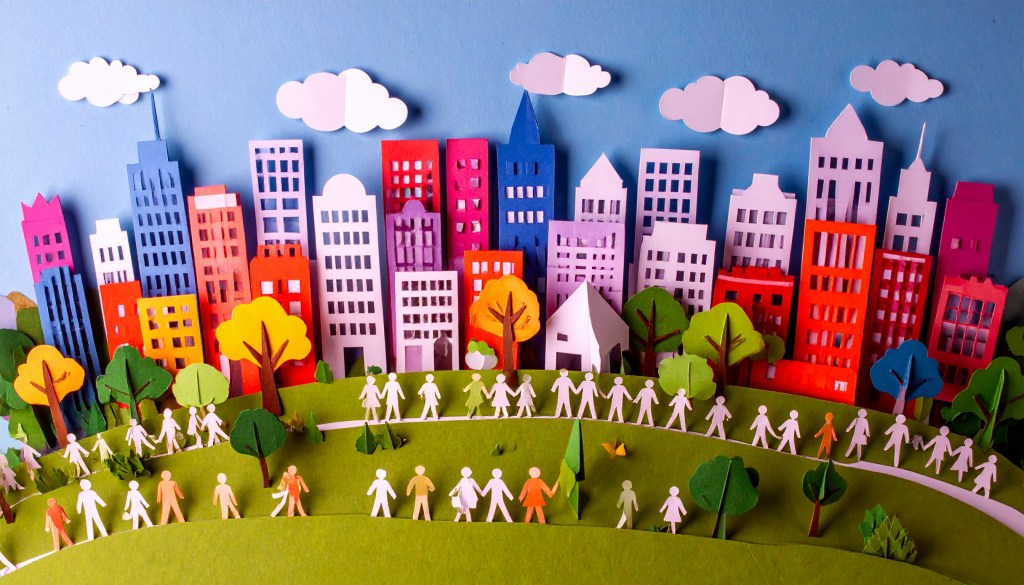
Mid-sized cities are those that sit between small towns and massive urban centres. Definitions vary, but they generally include places with 100,000 to 1,000,000 residents, often serving as regional hubs. They might not have the global fame of megacities, but they connect rural areas to larger networks, providing services like education, healthcare, and jobs.
These cities often have a mix of industries, from manufacturing to services, and they tend to grow at a steady pace. For instance, they can expand without the extreme overcrowding seen in bigger places. Their size allows for closer community ties and easier management of resources. In emerging markets, mid-sized cities are expected to drive much of the world’s growth over the next decade, as they attract people seeking better opportunities without the high costs of living in giants like Shanghai or Mumbai.
What sets them apart is their ability to adapt. Unlike small towns that might lack infrastructure or large cities overwhelmed by scale, mid-sized ones can experiment with new ideas more easily. This flexibility positions them well for future challenges, such as shifting work patterns or environmental pressures.
Disadvantages of mid-sized cities
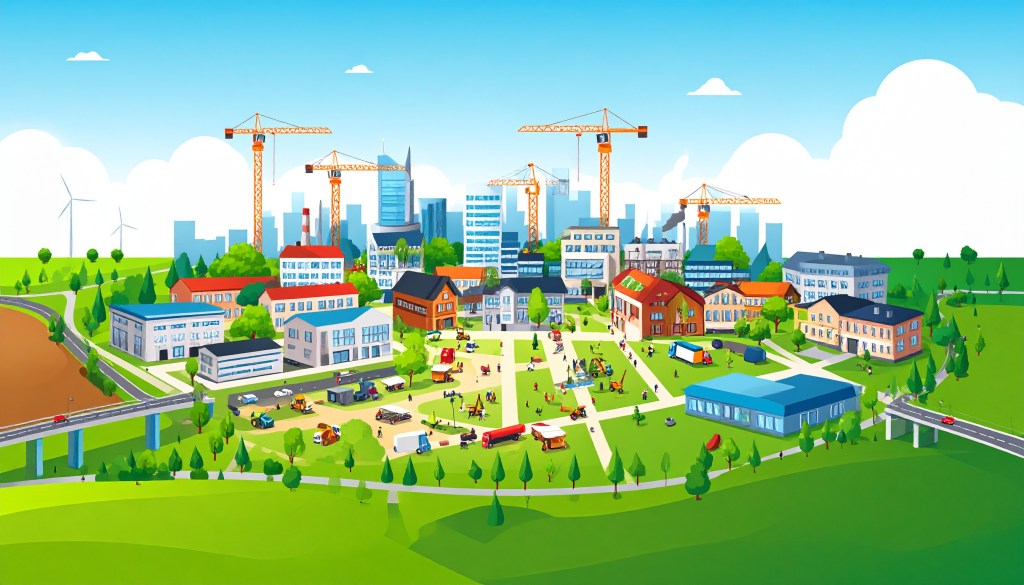
While mid-sized cities have clear strengths, they also face drawbacks that can limit their appeal and growth. One common issue is limited job opportunities. The employment market is often narrower, with fewer specialised roles available compared to larger urban centres. This can lead to “brain drain,” where young professionals and skilled workers move away for better prospects, causing populations to shrink in some areas.
Another challenge is isolation. Many mid-sized cities are located far from major hubs, leading to feelings of remoteness and reduced access to certain activities or services. Cultural and entertainment options might be fewer, with limited nightlife, diverse dining, or high-level arts scenes. Healthcare and education can also suffer, as specialised facilities or top-tier institutions are less common.
Economic pressures add to the mix. Income levels may fall behind, widening gaps and increasing rent burdens for residents. Some cities experience urban shrinkage, where declining industries lead to empty buildings and slower development. Transportation is another hurdle; public options are often basic, forcing reliance on cars and contributing to traffic or parking issues in denser parts.
These cities can sometimes feel stuck in between – large enough to face urban problems like noise or privacy concerns, but without the full benefits of bigger places. Addressing these downsides requires targeted efforts to boost connectivity, diversify economies, and enhance amenities.

Advantages of mid-sized cities
Mid-sized cities address many of these issues by providing a more balanced way of life. One key benefit is affordability. Housing and living costs are lower than in megacities, making it easier for families and young people to settle down. This draws in residents who want city amenities without the financial strain.
They also offer better quality of life. Shorter commutes, less congestion, and access to nature reduce stress and improve well-being. Businesses find advantages too, with lower operating costs and a skilled workforce that’s easier to attract and retain. Labour participation rates are often higher, as people feel more connected to their communities.
In terms of growth, these cities can build on undervalued land, allowing for thoughtful development without the chaos of rapid expansion. They bridge rural and urban areas, helping distribute economic benefits more evenly. For instance, they provide markets for nearby farms and access to services for smaller towns. This interconnectedness makes them vital for regional stability.
Overall, mid-sized cities strike a balance that large ones struggle with, offering opportunities for innovation and steady progress.
Economic impact of mid-sized cities
Economically, mid-sized cities are powerhouses in their own right. They drive job creation by attracting industries that value cost-effectiveness and talent pools. Small businesses thrive here, growing faster than in larger areas due to lower barriers.
These cities contribute to national growth by diversifying economies. Instead of relying on one sector, they mix manufacturing, tech, and services, reducing risks from downturns. Payments and revenue growth in mid-sized areas have outpaced large cities in recent years, showing their resilience.
They also boost regional development. By offering affordable sites and incentives, they lure companies relocating from expensive hubs. This creates a ripple effect, increasing wages and property values without pricing out locals. In the US, for example, mid-sized economies range from $13 billion to $101 billion, forming a solid base for broader prosperity.
Looking ahead, their role in growth is key, as they provide pathways for new entrepreneurs and workers. This aligns with frameworks for inclusive economic progress, as discussed in Episode 347R of the What is The Future for Cities? podcast, which summarises the 2021 white paper on how mid-sized cities can transition to knowledge economies while measuring opportunities and ensuring broad benefits:
Technological innovations in mid-sized cities
Technology is transforming mid-sized cities, making them testing grounds for new ideas. They adopt smart systems faster than larger places, thanks to smaller bureaucracies and community focus. For example, innovations in transport and energy improve daily life without overwhelming costs.
Many are becoming tech hubs, attracting startups with affordable spaces and talent from nearby universities. Cities like Huntsville or Madison use digital tools for better services, from traffic management to public safety.
Broadband access is a big draw, enabling remote work and online businesses. Innovation districts in these cities foster collaboration between companies and researchers, leading to breakthroughs in fields like healthcare and manufacturing.
Artificial intelligence is also playing a role, helping plan infrastructure and predict needs. While challenges exist, such as ensuring even access, these cities are leading by example in using tech for practical gains.
Urban planning trends for mid-sized cities
Planning in mid-sized cities is evolving to meet future needs. Trends focus on:
- Creating walkable spaces that encourage community interaction and reduce car dependency.
- Planners are incorporating green areas and mixed-use developments to make cities more liveable.
- Digital tools aid in this, automating designs and simulating growth scenarios.
- Emphasis is on resilient structures that handle weather changes, like better drainage systems.
- Higher density is another trend, but done thoughtfully to avoid overcrowding.
- Cities are planning for flexible work, with spaces that adapt to hybrid lifestyles.
- Community input is key, ensuring plans reflect local needs.
These approaches help mid-sized cities grow smarter, setting examples for others. This underscores the importance of breaking silos and fostering cross-sector collaboration to drive real change, as Nicholas Lalla describes in Episode 348 of the What is The Future for Cities? podcast, using Tulsa’s coordinated efforts and sense of momentum as a model for avoiding complacency in urban planning:
Case studies of successful mid-sized cities
Several mid-sized cities illustrate these points:
- Raleigh, North Carolina, has grown through tech and education, offering affordable living and strong jobs. Its focus on innovation has made it a top performer.
- Huntsville, Alabama, leverages aerospace and defence industries, attracting talent with low costs and quality amenities.
- Madison, Wisconsin, excels in healthcare and education, using tech to enhance services.
- Tulsa, Oklahoma, found its new niche and has been building up on that to invigorate the vibrancy.
- In Australia, Adelaide balances growth with liveability, investing in renewable energy and cultural hubs.
These examples show how mid-sized cities can thrive by playing to their strengths.
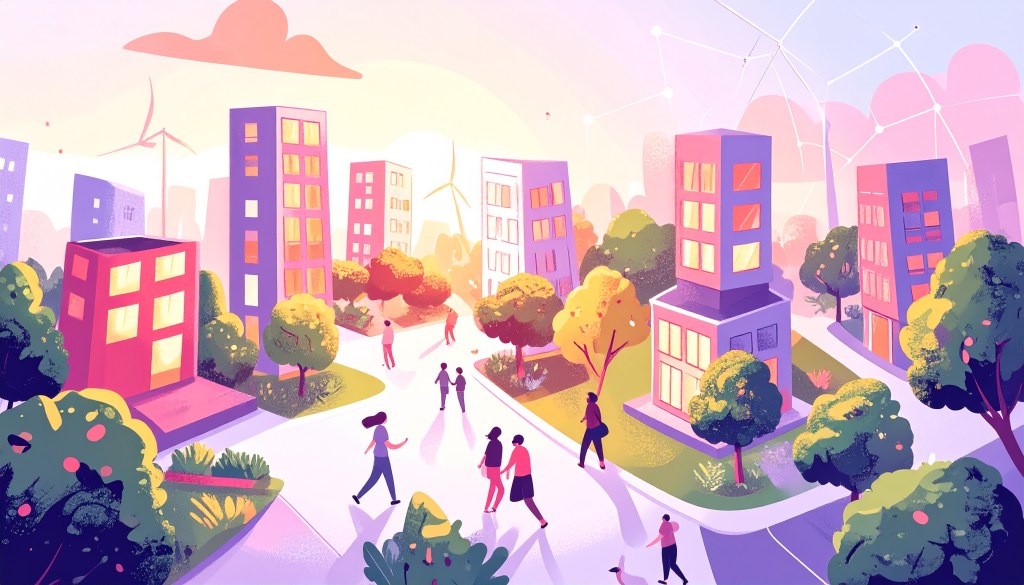
Mid-sized cities, with populations between 100,000 and 1,000,000, are emerging as vital contributors to urban futures. They serve as regional hubs, linking rural areas to broader networks and providing essential services like education, healthcare, and employment. Their steady growth allows for adaptability, enabling experimentation with new ideas in economics, technology, and planning. Mid-sized cities offer a model for balanced urban development, fostering innovation and regional stability.
Urban planners, policymakers, and residents: we can recognise the potential of mid-sized cities as engines of future growth. Invest in their infrastructure, diversify economies, and enhance connectivity to overcome challenges.
Explore opportunities in your local mid-sized city – support local businesses, advocate for smarter planning, and contribute to building resilient communities for tomorrow.
Next week, we will explore the urban energy matrix!
Ready to build a better tomorrow for our cities? I’d love to hear your thoughts, ideas, or even explore ways we can collaborate. Connect with me at info@fannimelles.com or find me on Twitter/X at @fannimelles – let’s make urban innovation a reality together!


Leave a Reply