Artificial Intelligence (AI) is reshaping how cities are managed, making urban governance smarter, more efficient, and more responsive to citizens’ needs. From optimizing traffic flow to improving waste management, AI is helping cities tackle complex challenges. However, it also raises concerns about privacy, bias, and job losses. In this blog post, we’ll explore how AI is being used in urban governance, its benefits, its drawbacks, and real-world examples from cities around the globe.
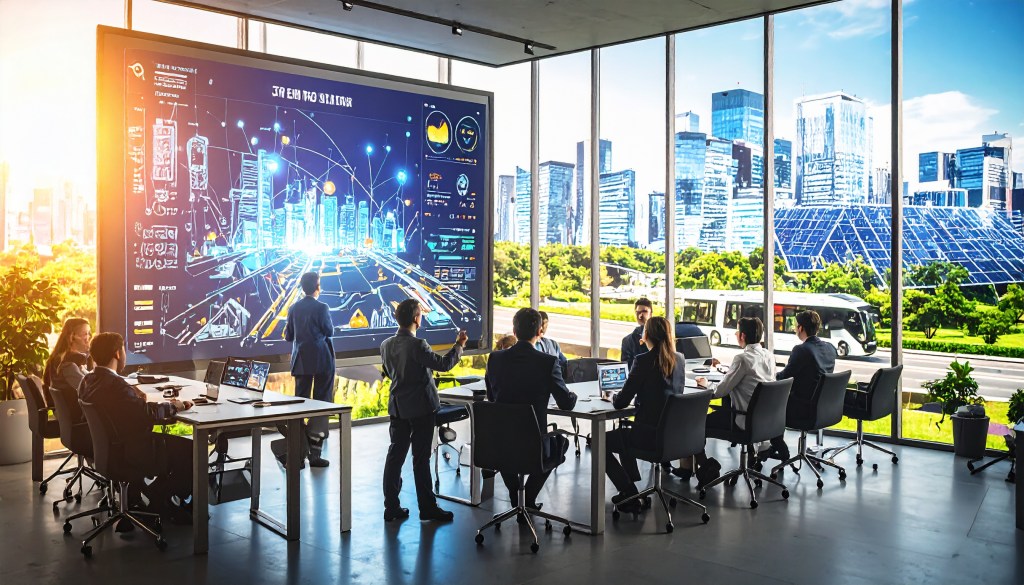
What is urban governance, and why AI matters?
Urban governance is about managing cities – planning infrastructure, delivering public services, ensuring safety, and making policies that improve residents’ lives. With growing populations, climate change, and strained resources, cities face enormous challenges. AI, which refers to computer systems that mimic human intelligence, offers powerful tools to tackle these challenges. It can process vast amounts of data, predict trends, and automate routine tasks, helping city leaders make informed decisions and optimize resources.
Today’s AI technologies include machine learning, which learns from data to make predictions, and natural language processing, which powers chatbots and translation tools. AI can analyse real-time data from sensors, cameras, and mobile apps to monitor traffic, air quality, or energy use. Tools like “Digital Twins” – virtual city models – simulate urban systems for better planning. Predictive analytics forecast infrastructure needs, while automation streamlines tasks like waste collection or citizen inquiries. These capabilities, backed by advances in computing power, enable cities to respond dynamically to urban challenges, though ethical and technical limitations require careful oversight.
These capabilities, driven by advanced computing, allow dynamic responses to urban challenges, though ethical and technical oversight is essential to prevent misuse, as discussed by Nick Bray in episode 304 of the What is The Future for Cities? podcast, where he emphasizes open architecture systems to ensure adaptability and human control:
Research shows that AI is becoming a game-changer. According to Deloitte, 66% of 167 surveyed cities are heavily investing in AI, with 80% planning to do so in the next three years. Whether it’s reducing energy costs or improving public transport, AI is proving its worth. But it’s not perfect – there are risks that need careful management. Let’s dive into the challenges first.
The challenges of AI in urban governance
AI’s potential is immense, but its integration into urban governance raises significant concerns that cities must address to ensure equitable and ethical use. Here are the primary challenges:
Privacy Risks
AI relies on data from cameras, sensors, and mobile apps, which can feel like constant surveillance if not managed properly. Without robust safeguards, personal information could be misused, such as for targeted advertising or unauthorized profiling. Cities need clear data protection policies, like anonymizing data, to safeguard residents’ privacy.
Bias
AI systems learn from historical data, which may contain biases. For example, an AI tool might prioritize public transport upgrades in affluent neighbourhoods, neglecting underserved areas, thus deepening social inequalities. To mitigate this, cities must use diverse, representative datasets and conduct regular audits to ensure diverse outcomes in AI-driven decisions.
Job losses
Automating tasks like data entry, waste collection, or customer service could lead to job cuts, particularly for low-skill workers. While AI creates new roles, such as data analysts or tech specialists, the transition can be challenging. Cities should invest in retraining programs to help workers adapt to new opportunities.
Richard Gill, in episode 274 of the What is The Future for Cities? podcast, advocates protecting people, not jobs, through retraining programs to adapt workers to new opportunities, ensuring no one is left behind in the shift to AI-driven systems:
Over-reliance on technology
Heavy dependence on AI risks disruptions if systems fail or are compromised by cyberattacks. A glitch in critical services like traffic management or emergency response could cause chaos. Cities must maintain robust backup systems and contingency plans to ensure resilience.
Lack of transparency
Lack of transparency in how AI makes decisions can erode public trust. There’s also a risk of misuse, such as manipulating public opinion or prioritizing corporate interests over citizens’ needs. Cities need guidelines and mechanisms for citizen participation to ensure accountability and trustworthiness.
These challenges highlight the need for thoughtful implementation. By addressing them proactively, cities can unlock AI’s potential while minimizing risks. Now, let’s explore the benefits that make AI a transformative force for urban governance.
Dan Hill, in episode 288 of the What is The Future for Cities? podcast, critiques technocratic smart city approaches, advocating for culturally sensitive AI applications that prioritize community involvement:
The benefits of AI in urban governance
Despite its challenges, AI offers remarkable advantages that enhance city operations, sustainability, and resident experiences. Here are the key benefits:
Boosting efficiency
AI automates repetitive tasks, allowing city workers to focus on strategic priorities. For example, chatbots handle routine citizen inquiries about taxes, permits, or events, saving time and resources. In North Carolina, USA, AI-powered chatbots accelerate responses to residents, improving government accessibility.
Smarter decision-making
Cities generate vast amounts of data from traffic cameras, sensors, and apps. AI processes this data to deliver actionable insights, such as predicting traffic congestion or energy demands. In Seoul, South Korea, AI adjusts train speeds based on passenger volumes, optimizing public transport and enhancing commuter experiences.
Tom Sanchez, in episode 330 on the What is The Future for Cities? podcast, notes AI’s potential to manage knowledge, streamlining planning processes:
Saving money
AI streamlines operations, reducing costs. In Cascais, Portugal, AI-driven waste management shortened collection routes by 180,000 kilometres annually, saving €600,000 and cutting CO2 emissions by 350 tons. AI can also reduce energy consumption by 20-30% and water use by up to 30%, easing municipal budgets.
Better public services
AI improves service delivery through real-time translations, faster complaint resolution, and predictive maintenance. Vienna, Austria, uses its WienBot chatbot to answer 250 common questions, earning the top spot in the 2019 Smart City Strategy Index for its citizen-friendly approach.
Promoting resilience/sustainability
AI supports environmental goals by monitoring air quality, managing energy, and reducing emissions. In São Paulo, Brazil, AI forecasts air pollution levels 24-48 hours in advance, enabling proactive health measures. London leverages AI to track urban biodiversity, contributing to sustainable urban planning.
These benefits demonstrate AI’s potential to create smarter, greener, and more responsive cities, offering hope for a future where urban challenges are met with innovative solutions.
Real-world examples of urban-governance and AI in action
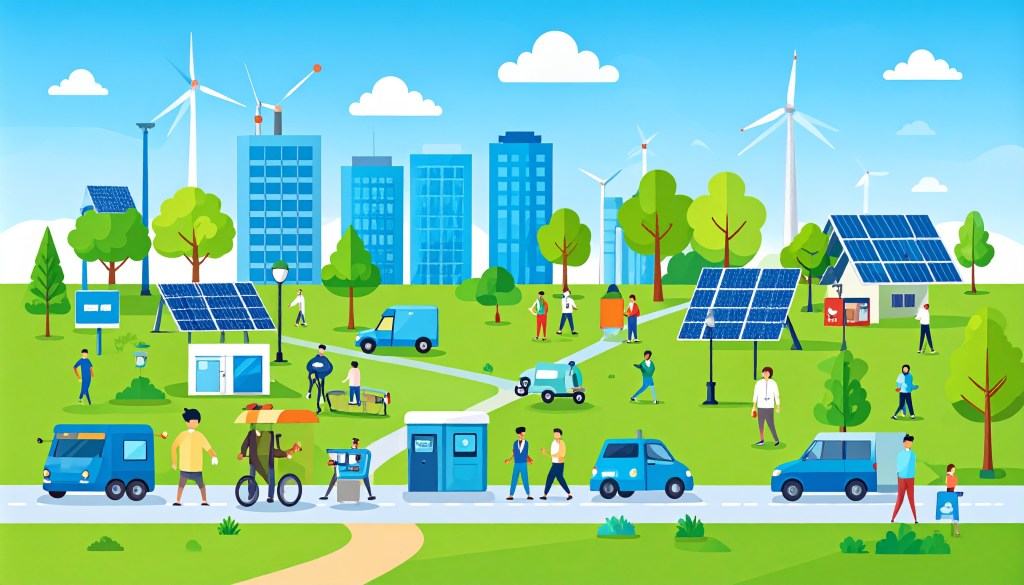
Cities worldwide are harnessing AI to address urban issues, showcasing both successes and areas for improvement. These examples, drawn from sources like Deloitte, illustrate AI’s practical impact:
Cascais, Portugal: Smart waste management
Cascais uses a “Digital Twin” to simulate city operations, optimizing waste collection. AI reduced routes by 180,000 kilometers, saving €600,000 annually and lowering emissions. This highlights AI’s financial and environmental benefits, though data privacy concerns require ongoing attention.
Vienna, Austria: Citizen-friendly chatbot
Vienna’s WienBot, part of the VeroCity platform, answers queries on parking, events, and services, ranking first in the 2019 Smart City Strategy Index. Its success lies in accessibility, but ensuring inclusivity for diverse populations, including non-native speakers, remains a priority.
Hong Kong: Traffic and elderly care
Hong Kong employs AI for real-time traffic management on 80% of major roads, reducing congestion. It’s also planning AI-powered robotics for elderly care, with one-third of residents expected to be over 65 in 20 years. These initiatives show versatility, but ethical questions about robotic care and data security need resolution.
Seoul, South Korea: Smarter public transport
Seoul’s AI system adjusts train schedules based on passenger data, preventing overcrowding and delays. It also predicts maintenance needs, minimizing disruptions. Data security is critical to maintaining public trust in this system.
Seoul’s AI adjusts train speeds based on passenger data, optimizing transport, as noted in the 2024 research, among other examples (What is The Future for Cities?, episode 329R):
São Paulo, Brazil: Air quality monitoring
São Paulo uses AI to predict air pollution by integrating data from apps, weather, and traffic. This supports public health, but ensuring equitable access to clean air measures is essential.
Surat, India: Enhancing safety
Surat’s AI-powered surveillance reduced crime by 27% by analyzing patterns and optimizing resource deployment. While effective, it raises concerns about over-surveillance, emphasizing the need for transparent AI governance.
These cases illustrate AI’s transformative power, balanced by the need to address privacy, bias, and safety challenges.

The future of AI in urban governance
As of June 2025, AI’s role in urban governance is expanding rapidly. Experts predict over 500 cities will adopt Digital Twins by 2025, and 30% of city interactions will involve AI.
The future of AI in urban governance holds immense potential as cities continue to grapple with rapid urbanization, climate change, and resource constraints. Advancements in AI technologies, such as generative AI, real-time predictive analytics, and integrated IoT systems, could enable cities to become more adaptive and antifragile. By leveraging AI to anticipate citizen needs, optimize infrastructure, and foster inclusive decision-making, urban areas could evolve into highly responsive ecosystems. However, realizing these possibilities will require addressing concerns, ensuring robust data governance, and prioritizing citizen engagement to build trust and resilience in AI-driven urban systems.
Potential future urban applications of AI:
- Autonomous public transit systems: AI-powered self-driving buses and trains that dynamically adjust routes and schedules based on real-time demand and traffic conditions.
- Predictive disaster management: AI models that forecast natural disasters (e.g., floods, heatwaves) with high precision, enabling proactive evacuations and resource allocation.
- Personalized citizen services: AI chatbots and virtual assistants offering tailored guidance on city services, such as healthcare, education, or job opportunities, in multiple languages.
- Smart energy grids: AI systems that optimize energy distribution by predicting consumption patterns, integrating renewable sources, and reducing outages.
- Urban farming optimization: AI-driven vertical farms that use predictive analytics to maximize crop yields, minimize water use, and support local food security.
- Real-time crime prevention: AI surveillance systems that predict crime hotspots using behavioural and environmental data, balanced with strict privacy protocols.
- Dynamic urban planning: AI-powered Digital Twins that simulate future city growth, testing scenarios for housing, transport, and green spaces to guide equitable development.
- AI-enhanced public health: Wearable and sensor-based AI systems that monitor public health trends, detect outbreaks early, and coordinate rapid response.
- Inclusive policy simulation: AI tools that model the social and economic impacts of proposed policies, ensuring they address diverse community needs.
- Automated waste recycling: AI-driven sorting systems that identify and separate recyclables with high accuracy, reducing landfill waste and promoting circular economies.

To ensure AI benefits all, cities should:
- Protect privacy: Implement anonymized data and transparent policies.
- Combat bias: Regularly audit AI for fairness.
- Support people: Offer retraining for those impacted by automation – without sticking to the jobs, let’s not leave people behind.
- Promote transparency: Engage citizens in AI decisions.
- Ensure resilience: Maintain backups for technical failures.
Additionally, to fully realize AI’s potential in urban governance, it’s not enough to deploy AI solutions in isolation for tasks like traffic management or waste collection. Orchestrating these AI systems to work together is critical to creating a seamless, interconnected urban ecosystem that enhances the overall city experience. Integrated AI platforms – or collaborating AIs – can share data and insights across domains – transport, energy, public services, and safety – enabling holistic decision-making that anticipates and balances city-wide needs. For example, a unified AI system could coordinate traffic flow, energy use, and emergency response during a major event, reducing congestion, optimizing resources, and improving safety. This interconnected approach fosters a cohesive urban environment where citizens experience smoother services, reduced inefficiencies, and a greater sense of community, but it requires robust data-sharing protocols, interoperability standards, and oversight to ensure privacy and safety.
By adopting these practices, cities can harness AI to create smarter, greener, and more equitable communities.
AI is reshaping urban governance, offering tools to tackle pressing challenges while requiring careful management of risks. From privacy concerns to bias, the challenges are real, but they can be addressed through thoughtful policies and citizen engagement. The benefits – efficiency, cost savings, better services, and sustainability – paint an optimistic picture, as seen in cities like Cascais, Vienna, and Seoul. By using AI responsibly, cities can build a future that’s not only smart but also thriving, meeting the needs of residents today and tomorrow.
Let’s shape cities that don’t just survive but thrive for generations to come.
Ready to build a better tomorrow for our cities? I’d love to hear your thoughts, ideas, or even explore ways we can collaborate. Connect with me at info@fannimelles.com or find me on Twitter/X at @fannimelles – let’s make urban innovation a reality together!


Leave a comment