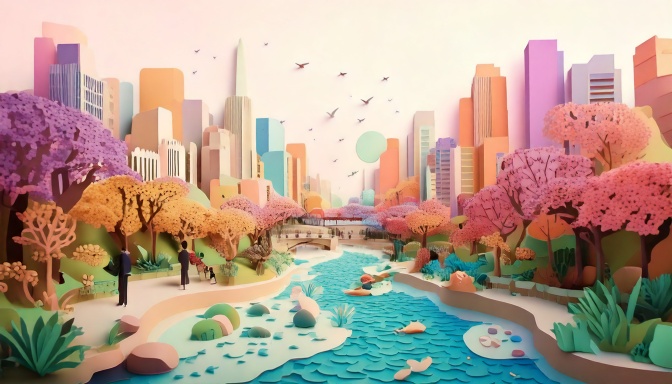
Imagine walking through a city where green spaces thrive, communities feel connected, and nature isn’t just an afterthought – it’s part of the plan. That’s the promise of regenerative placemaking, a growing approach to urban design that’s catching attention worldwide. With more people moving to cities – experts predict 68% of us will live in urban areas by 2050 – we need smarter ways to make these spaces work for both people and the planet. In this post, we’ll explore what regenerative placemaking is, how it’s already changing cities, its benefits and challenges, and whether it’s the full answer to our urban future.
Placemaking and regeneration: The building blocks
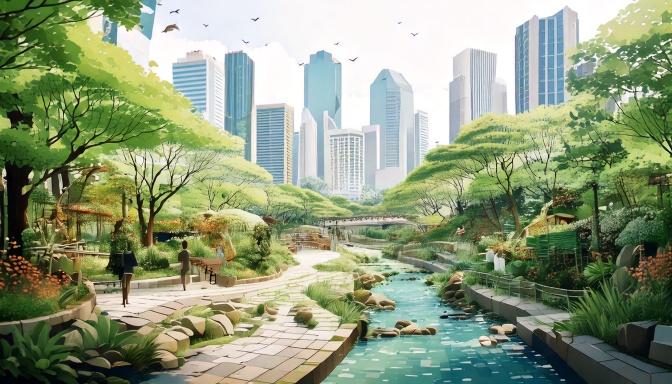
Before we dive into regenerative placemaking, let’s break down its two key ingredients. Placemaking is all about creating public spaces—like parks, plazas, or bustling streets—that bring people together and make communities feel alive. It’s the art of turning a spot into a place where people want to hang out, connect, and feel at home. Regeneration, on the other hand, is about giving back to the environment. It’s a step beyond sustainability, aiming to heal ecosystems, boost biodiversity, and leave nature better than we found it. Think of placemaking as the heart of community and regeneration as the lungs of the planet—together, they’re a powerful combo for cities.
Alison Whitten, from Regen Melbourne, talked about regeneration on the human scale on the What is The Future for Cities? Podcast‘s 266th episode:
What exactly Is regenerative placemaking?
At its core, regenerative placemaking is about designing urban spaces that give back more than they take. It blends traditional placemaking—think parks and plazas that bring people together—with a regenerative twist, focusing on healing ecosystems and building community. It’s not just about adding a few trees; it’s about creating places that support nature and people in harmony.
Take Seoul, South Korea, for example. The Cheonggyecheon Stream Restoration Project turned a buried waterway into a 5.8 km urban oasis. It’s now a spot where biodiversity has soared by 639%, and locals enjoy cooler air and a vibrant public space. Or look at Copenhagen, Denmark, dubbed the world’s greenest city. They’re adding 100 wind turbines and creating parks like Sønder Boulevard that double as heat-relief zones. Then there’s Medellin, Colombia, with its 30 green corridors and electric buses, making the city greener and more connected. These examples show how regenerative placemaking brings big ideas to life, one city at a time.
Gilbert Rochecouste, a regenerative placemaker for 30+ years and the founder of Village Well, a placemaking practice, described the difference between architecture and placemaking in his interview on the What is The Future for Cities? Podcast:
Why it’s a game-changer: The benefits
So, why should we care? The benefits are hard to ignore. For one, it boosts nature in cities—Seoul’s stream project cut urban heat by up to 5.9°C and slashed air pollution by 35%. It’s also a win for people. That same project draws 64,000 visitors daily (pre-COVID), pumping $1.9 million into the local economy. Businesses nearby grew 1.5% faster than in other areas, proving it’s not just feel-good—it’s good business too.
Beyond numbers, it builds stronger communities. Places like Auckland, New Zealand, are restoring waterways like Te Auaunga Awa, not just for flood control but to bring people together around shared green spaces. And in Montevideo, Uruguay, where 98% of power comes from renewables, the city’s on track for carbon neutrality by 2030. These efforts show how regenerative placemaking can make cities healthier, happier, and more sustainable.
The flip side: Challenges to watch out for
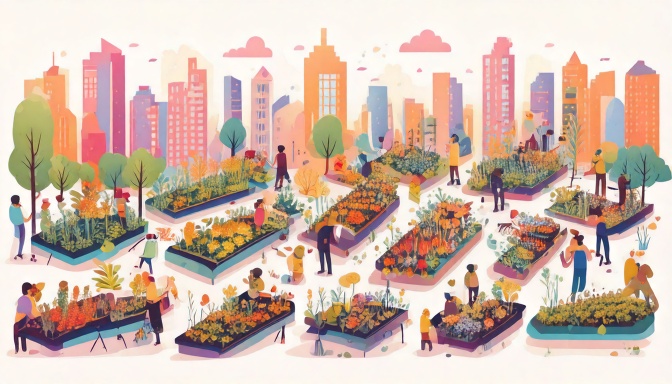
It’s not all smooth sailing, though. One big hurdle is gentrification. In Seoul, after the stream project took off, land prices jumped 30-50%, pushing some residents out. That’s a real risk—making a place better can sometimes price people out of it. There’s also the challenge of changing how developers think. Many are stuck on old-school growth models, and shifting to a focus on nature and community takes time and effort. (Or sticking to sustainability measures, which are questionable in my personal opinion.)
Plus, it’s tricky to measure success. Unlike a simple scorecard, regenerative placemaking needs flexible goals that evolve with input from locals—not a quick fix. And with cities growing fast (6.6 billion urban dwellers by 2050), pressures like rising seas or food shortages add extra layers of complexity. It’s a bold idea, but it’s not without its bumps.
Can regenerative placemaking stand alone for better urban futures?
Here’s the big question: Is regenerative placemaking enough on its own? It’s a fantastic start—connecting people to nature, cutting emissions, and making cities more liveable. But it’s not a magic bullet. Urban futures need more than great design; they need policies to tackle housing costs, transportation, and equity. For example, green corridors in Medellin are awesome, but they won’t fix everything if jobs or schools lag behind. It works best as part of a bigger toolbox—think renewable energy grids, affordable housing plans, and community-led decision-making. Alone, it’s a powerful piece; combined with other efforts, it could be transformative.
Dominique Hes, regenerative development thinker, expressed regenerative development as everyone’s responsibility to make a contribution – thus, creating different solutions for every city in episode 228 on the What is The Future for Cities? Podcast:
Regenerative placemaking is about building cities that don’t just survive but thrive—for people and the planet. From Seoul’s streams to Copenhagen’s turbines, it’s already showing what’s possible: more nature, stronger communities, and real economic perks. Sure, it’s got challenges like gentrification and slow shifts in thinking, but the potential outweighs the pitfalls. While it’s not the whole answer to urban futures, it’s a critical step toward cities we’d all want to live in.

Ready to see this in your city?
Start small—push for a community garden, support local green projects, or talk to your city planners about nature-based ideas.
Every voice counts.
Share this post with someone who cares about where we’re headed, and let’s keep the conversation going.
The future of our cities is ours to shape—why not make it regenerative?
Ready to build a better tomorrow for our cities? I’d love to hear your thoughts, ideas, or even explore ways we can collaborate. Connect with me at info@fannimelles.com or find me on Twitter/X at @fannimelles—let’s make urban innovation a reality together!
 Vitruvian Solutions
Leave a comment