
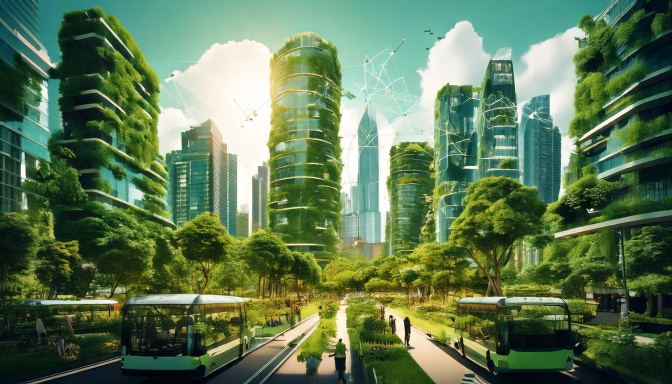
Imagine walking through a city where skyscrapers are draped in greenery, buses hum quietly on renewable energy, and parks weave through neighbourhoods like a living network. This isn’t a distant dream—it’s the promise of ecological design, a growing movement that’s redefining how we build and live in urban spaces. As our planet faces climate change and rapid urbanization, cities must evolve to become more antifragile, resilient, and sustainable. Ecological design offers a path forward, blending nature with urban planning to create healthier, greener communities. In this post, we’ll explore what ecological design is, why it’s vital for the future of cities, its benefits and challenges, and how everyone—from professionals to everyday citizens—can play a role in this transformation.
What is ecological design and why it matters for the future of cities?
Ecological design is all about creating systems—whether buildings, products, or entire cities—that work in harmony with nature. It’s a philosophy that minimizes environmental harm by using renewable resources, cutting waste, and mimicking natural processes. Think green roofs that soak up rainwater, solar panels powering homes, or urban forests purifying the air. In cities, this means designing spaces that don’t just house people but sustain them, balancing human needs with the planet’s limits.
Why does this matter for the future? By 2050, nearly 70% of the world’s population will live in urban areas, putting immense pressure on resources like water, energy, and land. Cities with efficient transit and vast green spaces, or the ones aiming for zero carbon emissions, show how ecological design can meet these challenges head-on. It’s about preparing for a warming world—think rising seas and hotter summers—while making urban life more enjoyable. From reducing carbon footprints to boosting biodiversity, ecological design isn’t just a trend; it’s a necessity for cities that want to thrive long-term.
Dr Stuart Cowan, from the Buckminster Fuller Institute, described ecological design in great detail as one of his research areas on the What is The Future for Cities? podcast’s 310th episode:
The pros and cons of ecological design
The benefits of ecological design are hard to ignore, especially when you look at the numbers and real-world examples. Here’s what it brings to the table:
- Environmental Wins: Green buildings can slash energy use by 25-35% and water consumption by 20-30%, according to the U.S. Green Building Council. That’s a big step toward cutting urban carbon emissions.
- Better Living: More parks and cleaner air improve mental health and community vibes. Cities with green spaces, like Singapore, consistently rank high for liveability.
- Economic Boost: Sustainable projects create jobs in green industries—think solar installers or urban farmers. Plus, energy-efficient buildings save money over time, with operational costs dropping by up to 14%.
- Climate Resilience: Designs like China’s “sponge cities,” with permeable streets to manage floods, help urban areas weather extreme conditions (check out episode 258 on the WTF podcast with Matt Gijselman to hear more about sponge cities).
These perks show that ecological design isn’t just good for the planet—it’s good for people, too. Of course, no solution is perfect, and ecological design comes with its share of hurdles:
- Upfront Costs: Building green often costs 5-10% more initially. Retrofitting old cities—like adding green roofs to historic buildings—can get pricey and tricky.
- Complexity: Pulling it off requires coordination between architects, planners, and governments. In older cities with fixed layouts, finding space for green infrastructure is a puzzle.
- Social Risks: Without careful planning, green upgrades can lead to gentrification, pushing out lower-income residents as property values rise.
- Time Factor: Big projects, like redesigning a city’s water system, take years, testing patience and budgets.
These challenges don’t erase the benefits, but they remind us that ecological design needs thoughtful execution to work for everyone.
This is well discussed in episode 309 on the What is The Future for Cities? Podcast, a research summary about Ecological urban planning and design by Angela Heymans, Jessica Sutherland (Breadsell), PhD, Greg Morrison, Josh Byrne, and Christine Eon, published in the Sustainability MDPI journal:
How ecological design boosts sustainability, resilience, and antifragility
Since personally I support more the antifragile sentiment to create systems which thrive on shocks and learn from them, I thought it was imperative to check whether ecological design can improve not just sustainable and resilient initiatives but antifragile efforts as well. Ecological design isn’t just a fix—it’s a triple threat, strengthening cities in distinct ways:
- Sustainability: This is about longevity—using less, wasting less, and keeping resources in play. Think circular economies where waste becomes raw material, or green roofs cutting energy bills. Curitiba’s 50% green space coverage shows how cities can sustain themselves without draining the planet, hitting that sweet spot of human and environmental health.
- Resilience: Here, it’s about bouncing back. Ecological design equips cities to handle shocks like floods or heatwaves. China’s sponge cities, with permeable pavements, soak up deluges instead of drowning, while urban forests cool sweltering streets. It’s a buffer that keeps cities standing when disaster strikes.
- Antifragility: This goes beyond resilience—cities don’t just recover; they get stronger from stress. Ecological design fosters adaptability, like modular green systems that evolve with needs or smart tech optimizing resource use after disruptions. Masdar City’s zero-waste goal isn’t static—it learns and improves, turning challenges into upgrades.
Together, these qualities make ecological design a powerhouse for future-proofing urban life.
What can we do with ecological design?
Everyone’s got a stake in this green revolution:
For Professionals:
- Architects: Use bamboo or recycled steel, weave in passive solar designs.
- Planners: Push mixed-use zones and transit over car sprawl.
- Policymakers: Offer tax breaks for green builds, set sustainability rules.
For Non-Professionals:
- Everyday Steps: Swap out old bulbs for LEDs, compost food scraps, or bike instead of drive. Small actions add up.
- Community Action: Join local planning meetings or start a garden project. Look at Vauban, Germany—a car-free district born from resident input.
- Advocacy: Demand green policies from leaders. Ask for more parks, better transit, or funding for renewable energy projects. Your voice matters.
From blueprints to backyards, ecological design grows with collective effort. Whether you’re designing a skyscraper or planting a rooftop herb garden, ecological design thrives when we all pitch in.
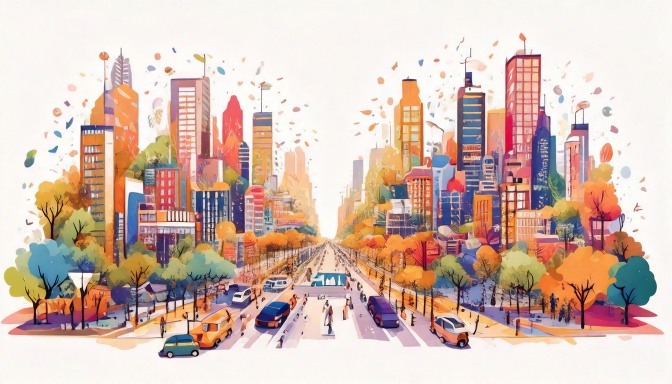
Ecological design is more than a buzzword—it’s a blueprint for cities that can withstand climate change, support growing populations, and still feel like home. The benefits, from cleaner air to long-term savings, outweigh the challenges, but making it happen takes effort from all of us. Professionals can lead with innovation, while everyday citizens can drive change through choices and advocacy.
Start small: swap a lightbulb, join a community meeting, or push your local leaders for greener policies.
Together, we can turn concrete jungles into thriving, antifragile ecosystems. The future of our cities depends on it—let’s build it green.
Ready to build a better tomorrow for our cities? I’d love to hear your thoughts, ideas, or even explore ways we can collaborate. Connect with me at info@fannimelles.com or find me on Twitter/X at @fannimelles—let’s make urban innovation a reality together!
 Vitruvian Solutions
Leave a comment