Superabundant energy refers to a future where energy is so plentiful and inexpensive that it becomes practically limitless for everyday use. This concept, often described as energy “too cheap to meter,” could emerge from breakthroughs in fusion power, advanced nuclear reactors, vast solar and wind deployments paired with efficient battery storage, or even geothermal and space-based solar technologies. Unlike today’s energy landscape, dominated by finite fossil fuels and intermittent renewables, superabundance would mean clean, reliable power available at a fraction of current costs. This shift could fundamentally reshape cities, turning them from resource-constrained hubs into dynamic, expansive ecosystems that enhance human life in profound ways.
In urban areas, where over half the world’s population resides and energy demands are highest, this abundance would unlock innovations in transportation, infrastructure, food production, and more. Cities could grow vertically and horizontally without the environmental toll of today, fostering greater prosperity and resilience. Drawing from recent analyses, this article explores how such energy abundance might redefine urban futures, from daily commutes to global connectivity.
The panel in episode 350P of the What is The Future for Cities? podcast with Alan Pears, Adam Dorr, Ramez Naam and Mark Nelson highlights the plummeting costs of energy and labour, setting the stage for how superabundant energy could drive transformative urban prosperity:
Revolutionising urban transportation and mobility
Superabundant energy would transform how people move in cities, addressing today’s challenges of congestion and pollution from fossil fuel-based transport. With cheap, clean energy, electric and autonomous vehicles would become standard, but the changes would extend further. Vertical take-off and landing (VTOL) aircraft, or “flying taxis,” could become as common as buses, powered by efficient electric systems, enabling rapid cross-city travel. High-speed maglev trains and hyperloops, fuelled by abundant energy, could connect urban centres hundreds of kilometres apart, effectively shrinking distances. For instance, a worker in Sydney could commute to Melbourne in under an hour via suborbital flights, making distant suburbs part of a single metropolitan area.
Urban planners could redesign streets to prioritise pedestrians and green spaces, reducing the need for sprawling road networks. Autonomous electric delivery bots would streamline last-mile logistics, cutting traffic and environmental impact. These advancements would save time – urban commutes often exceed an hour daily – and reduce reliance on imported fuels, boosting energy security. Affordable advanced mobility would enhance prosperity by making efficient transport accessible to all, improving quality of life.
Episode 349R of the What is The Future for Cities? podcast explores how superabundant energy could enable innovations like VTOL aircraft and suborbital flights, providing a deeper examination of the Jevons paradox and its impact on expanded travel distances in urban settings:
Transforming buildings and urban infrastructure
Buildings account for roughly 40 per cent of global energy use, primarily for heating, cooling, and lighting. Superabundant energy would enable smarter, more resilient structures that enhance urban living while better managing environmental impacts. High-rise towers could use advanced materials, like carbon nanotubes, produced through energy-intensive processes for stronger, lighter frames. Vertical farms integrated into skyscrapers could leverage cheap electricity for LED lighting and hydroponics, growing food locally and reducing the environmental cost of imports. This would also free rural land for rewilding or other uses.
Cities in arid regions, like those in Australia or the Middle East, could benefit from affordable desalination and water recycling, powered by abundant energy. This would support denser populations and greener urban landscapes with parks and waterways. Smart grids, managed by AI, would distribute power seamlessly, preventing outages. Buildings might generate their own energy via integrated solar panels or small modular reactors, making cities more self-reliant and resilient to disruptions. These changes would lower living costs – imagine near-zero electricity bills – and drive architectural innovation, creating buildings that prioritise human comfort and environmental care.
The panel in episode 350P of the What is The Future for Cities? podcast with Alan Pears, Adam Dorr, Ramez Naam and Mark Nelson discusses infrastructure adaptations such as vertical farms and smart grids, connecting directly to the challenges of upgrading urban buildings for energy abundance:
Enhancing food and water security in cities
Urban food systems today rely on long supply chains vulnerable to climate events and geopolitical issues. Superabundant energy could localise production, making cities self-sufficient in essentials. Vertical farms would thrive with cheap power for lighting, climate control, and automation, producing yields far exceeding traditional agriculture while using significantly less water. Lab-grown meat and precision-fermented dairy, powered by energy-intensive bioreactors, could provide nutritious food without the environmental toll of traditional farming.
Water scarcity would diminish through large-scale desalination plants operating affordably. Coastal cities could convert seawater into potable supplies, while inland areas might use atmospheric water generators to extract moisture from the air. This abundance would support lush urban greenery, improving air quality and mental health. Residents would enjoy fresher, healthier food year-round, reducing diet-related health issues. Community gardens and rooftop farms could become social hubs, enriching urban life.

Boosting the urban economy and job creation
Superabundant energy would drive economic growth by slashing production costs across industries. Manufacturing could return to cities, with energy-intensive processes like 3D printing becoming viable locally, fostering innovation and prosperity. New industries would emerge, such as carbon capture and utilisation, where excess energy converts CO2 into building materials or fuels, supporting environmental care. Data centres for AI and computing, which require vast power, could expand without straining grids, positioning cities as tech hubs.
Job markets would shift towards high-skilled roles in energy technology, urban design, and automation maintenance. While some fossil fuel jobs might decline, new opportunities in innovative industries would likely offset losses, especially with retraining programs. Lower energy costs would reduce business expenses, encouraging entrepreneurship and attracting investment. For residents, this means higher disposable incomes and more leisure time as automation handles routine tasks. Cities could become global innovation centres, drawing talent and fostering vibrant economies.
In episode 350P of the What is The Future for Cities? podcast with Alan Pears, Adam Dorr, Ramez Naam and Mark Nelson, the discussion on AI-driven cost reductions in data analysis ties directly to how energy abundance could spur new economic opportunities and industries in cities:
Improving the urban environment and addressing climate challenges
With clean, superabundant energy from sources like fusion or advanced renewables, cities could grow without worsening climate impacts. Electrification would drastically cut air pollution from transport and industry. Urban heat islands could be mitigated with energy-efficient cooling and green roofs. Direct air capture technologies, powered affordably, might even remove historical CO2 emissions from the atmosphere.
Biodiversity could flourish with powered habitats like artificial wetlands or vertical forests. Cleaner air and water would reduce respiratory illnesses and improve lifespans, enhancing urban living. Careful management would be needed to avoid overconsumption, with policies ensuring energy use aligns with environmental care for long-term benefits.
The What is The Future for Cities? podcast‘s episode 350P with Alan Pears, Adam Dorr, Ramez Naam and Mark Nelson relates to environmental progress by highlighting nuclear energy’s role in meeting urban energy demands, supporting cleaner cities through reliable power:
Evolving social dynamics and daily urban life
Superabundant energy would enrich daily urban experiences. Homes could feature smart systems adjusting lighting, temperature, and air quality for optimal health and comfort. Leisure activities might include seamless virtual reality worlds or community events in energy-lit public spaces. Education and healthcare would advance with powered simulations and telemedicine, making high-quality services widely available.
Affordable energy would lower living costs, providing access to comforts like air conditioning or reliable transport for all residents. Well-lit streets and economic opportunities could reduce crime, creating safer cities.
However, constant connectivity might blur work-life boundaries, requiring urban designs that encourage human interaction alongside technological integration.
Potential challenges and ethical considerations
Despite the promise, challenges remain. Rapid urban growth could strain social fabrics if wealthier areas adopt innovations first. Overreliance on complex energy systems might create vulnerabilities to cyberattacks or failures. Geopolitically, nations leading in energy tech could gain disproportionate advantages, potentially widening global divides. Ethical questions around energy use in AI or surveillance would require strong governance. Addressing these involves inclusive policies and international cooperation to ensure widespread benefits while safeguarding the environment.
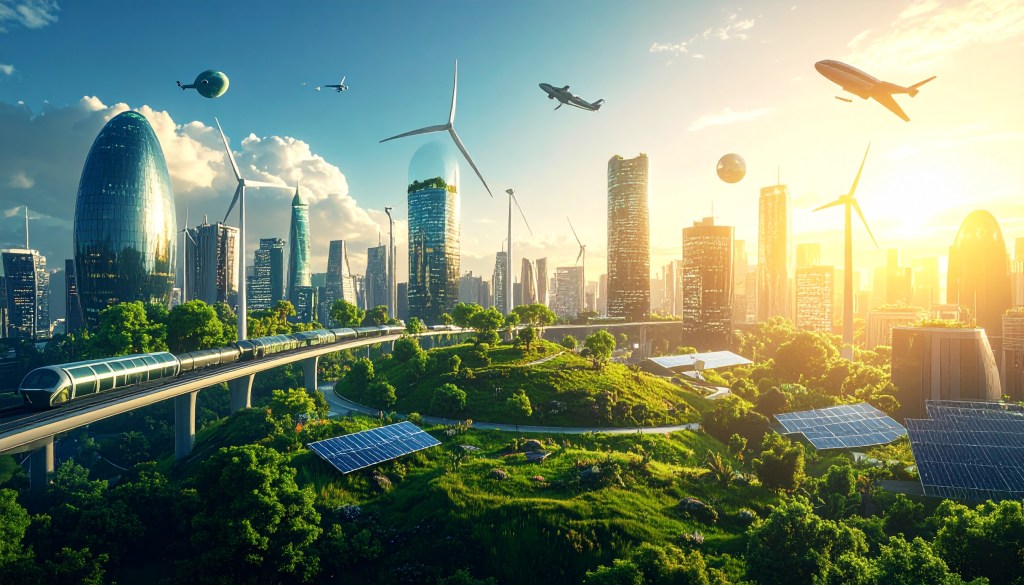
Superabundant energy could redefine cities as thriving hubs where human life flourishes. From seamless mobility to self-sufficient ecosystems, the possibilities would elevate urban living to new heights of prosperity and comfort.
By planning thoughtfully, societies can harness energy as a catalyst for vibrant cities.
With breakthroughs on the horizon, now is the time to prepare for this transformative future.
Next week, we will explore the emerging trends for urban futures!
Ready to build a better tomorrow for our cities? I’d love to hear your thoughts, ideas, or even explore ways we can collaborate. Connect with me at info@fannimelles.com or find me on Twitter/X at @fannimelles – let’s make urban innovation a reality together!
 Vitruvian Solutions
Leave a comment