Smart cities, as one could understand them, harness technology and data to enhance urban living, optimise resources, and improve infrastructure efficiency. However, another understanding can be that a truly effective smart city prioritises its residents, focusing on their needs, participation, and well-being. People-centric smart city approaches shift the emphasis from purely technological advancements to creating urban environments that foster community engagement and quality of life. This article explores the principles, strategies, and examples of people-centric smart city initiatives, highlighting their benefits, challenges, and future potential. By examining case studies and drawing on academic and industry sources, this summary aims to provide a comprehensive overview of how cities can integrate human-focused design into their smart city frameworks.

Defining people-centric smart cities
A people-centric smart city uses technology as a tool to address human needs rather than as the primary focus. Unlike traditional smart city models that prioritise automation or infrastructure, people-centric approaches centre on citizen participation, accessibility, and well-being. According to Caragliu et al. (2011), a smart city becomes “smart” not only through technological innovation but also through investments in human and social capital, ensuring urban development aligns with residents’ aspirations and challenges. Smart Cities Council, one of the leading voices in the international discussion about smart cities, aims to help cities create more beautiful, resilient and safer places for everyone, also highlighting the shift from the technological understanding to something more human-centric.
Key characteristics of people-centric smart cities include:
- Citizen engagement: Involving residents in decision-making through participatory platforms, public consultations, and co-design initiatives.
- Accessibility: Ensuring technologies and services are usable by diverse populations, including the elderly, disabled, or low-income communities.
- Quality of life: Prioritising health, safety, education, and cultural opportunities alongside technological advancements.
- Transparency and trust: Building public confidence through open data policies and clear communication about technology use.
These principles aim to create urban environments that are efficient, responsive, and tailored to diverse community needs.
This definition of people-centric smart cities, focusing on citizen participation and well-being, resonates with the shift from smart cities to smart citizens outlined in episode 287R of the What is The Future for Cities? podcast, summarizing Dan Hill‘s essay on human-centred urbanism:
The role of technology in people-centric approaches
Technology is integral to smart cities, but in people-centric models, it empowers residents rather than dictates outcomes. Tools like the Internet of Things (IoT), artificial intelligence (AI), and big data analytics are used to understand and address community needs. For example, IoT sensors can monitor air quality in real-time to improve public health, while AI-driven platforms can analyse citizen feedback to inform urban planning.
However, technology must be deployed thoughtfully. Kitchin (2014) warns that over-reliance on technology without human input risks creating cities disconnected from residents. People-centric approaches ensure technologies are user-friendly, accessible, and aligned with community priorities. Mobile apps that allow residents to report issues like potholes or suggest community projects empower citizens to shape their environment actively.
Strategies for implementing people-centric smart cities
1. Participatory urban planning
Participatory urban planning engages residents in designing and deciding on smart city projects. Digital platforms, such as online forums or mobile apps, enable citizens to voice concerns, propose ideas, and vote on initiatives. Helsinki’s Participatory Budgeting platform, for instance, allows residents to allocate part of the municipal budget to community-driven projects. Such initiatives foster ownership and ensure developments reflect local needs.
2. Accessible design
Smart cities must serve diverse populations, including those with disabilities or limited digital access. Accessible design ensures technologies and infrastructure are usable by all. Singapore’s Smart Nation initiative includes features like tactile paving and audio signals at pedestrian crossings for visually impaired residents, alongside digital literacy programmes for seniors. These efforts make smart city benefits widely available.
3. Community-driven data governance
Data is central to smart cities, but its collection and use must be transparent to maintain trust. People-centric approaches involve residents in data governance, ensuring data serves community interests while respecting privacy. Amsterdam’s DECODE project allows residents to control how their data is used, enabling them to share or withhold information for urban planning.
4. Focus on well-being and social cohesion
Smart cities should enhance residents’ quality of life by addressing social, environmental, and economic challenges. Initiatives like community gardens, public Wi-Fi, and affordable housing projects strengthen community ties. Copenhagen’s Cycling City initiative integrates smart traffic management with extensive bike lane networks, promoting healthier lifestyles and environmental benefits.
The strategies outlined here, such as participatory planning and community-driven governance, mirror the stakeholder priorities for inclusive urban solutions discussed in episode 345R of the What is The Future for Cities? podcast, which summarizes research on what residents and leaders want in a medium-sized US city like Chattanooga:
Case studies
1. Toronto’s Quayside 2.0
Toronto’s Sidewalk Labs project, initially led by Google’s sister company, aimed to create a high-tech urban district but faced criticism over data privacy and corporate control, leading to its cancellation in 2020. In response, Toronto launched Quayside 2.0, focusing on community input, affordable housing, and transparent data governance. This shift demonstrates the value of aligning smart city projects with public priorities.
2. Amsterdam, Netherlands
Amsterdam has embraced a people-centric smart city model through its Amsterdam Smart City initiative, which prioritises citizen involvement and collaborative governance. The city uses platforms like the Digital City Dashboard to share real-time data on traffic, energy use, and public services, allowing residents to provide feedback and co-create solutions. Projects like the Smart Light programme, which adjusts street lighting based on pedestrian needs, enhance safety and energy efficiency while responding to community input. Amsterdam’s approach also includes citizen-led innovation labs, where residents and businesses collaborate on projects like urban farming and waste reduction, fostering a sense of community ownership (Amsterdam Smart City, 2024).
3. Medellín, Colombia
Medellín, once notorious for high crime rates, transformed through its Social Urbanism approach. The city integrates smart technologies with community-focused projects, such as escalators in hillside slums to improve mobility and public libraries as cultural hubs. Supported by participatory budgeting, these initiatives have significantly enhanced residents’ quality of life.
4. Barcelona, Spain
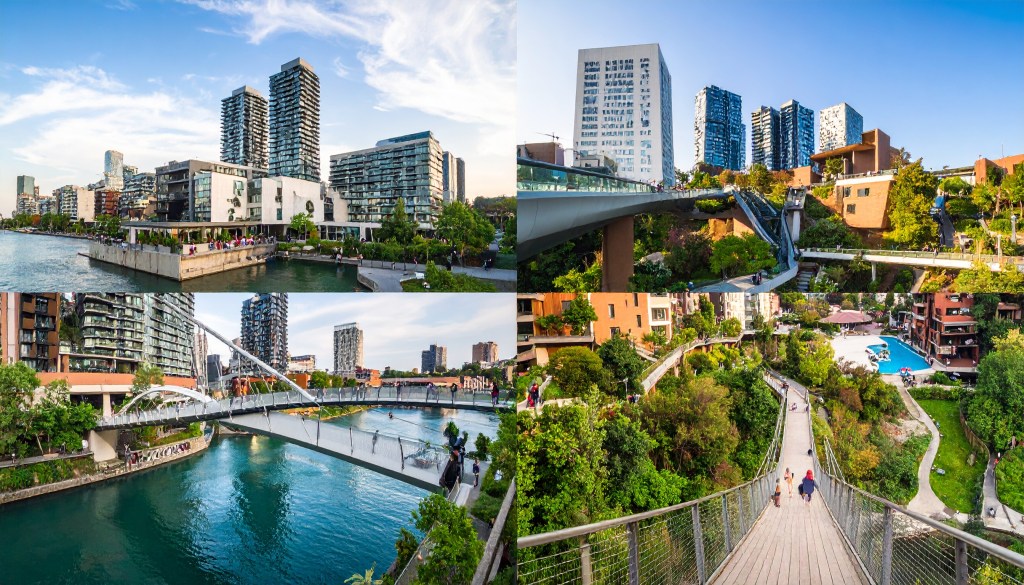
Barcelona’s smart city strategy focuses on human needs through its Superblock model, which reclaims streets from cars to create pedestrian-friendly zones with green spaces and community areas. The city’s Smart City Barcelona initiative integrates technologies like IoT sensors for waste management and smart irrigation to improve urban living while involving residents in planning. For example, the Decidim platform allows citizens to propose and vote on urban projects, ensuring developments reflect local priorities. These efforts have improved air quality, reduced traffic congestion, and strengthened community bonds.
Benefits of people-centric smart cities
People-centric smart cities offer several advantages:
- Improved quality of life: Addressing residents’ needs creates healthier, safer, and more vibrant urban environments.
- Broad access: Accessible design ensures diverse groups can benefit from smart city services.
- Increased trust: Transparent data practices and citizen involvement build public confidence.
- Resilience: Engaged communities are better equipped to adapt to challenges like climate change or economic shifts.
Challenges and limitations
Despite their potential, people-centric smart cities face obstacles:
- Digital divide: Not all residents have access to or the skills to use digital tools, limiting participation.
- Cost and scalability: Implementing accessible technologies and participatory processes can be costly and challenging to scale.
- Privacy concerns: Even with transparent governance, residents may worry about surveillance or data misuse.
- Balancing stakeholder interests: Aligning government, private sector, and citizen goals can be complex, as seen in the Sidewalk Labs case.
The challenges of privacy, trust, and the digital divide explored in this article align with the proactive approaches to data governance and civic engagement highlighted in episode 346I of the What is The Future for Cities? podcast, where Dr Mina Sartipi discusses balancing technology with community needs in smart city evolution:
Future directions
The future of people-centric smart cities lies in deepening community engagement and using emerging technologies responsibly. Advances in AI and machine learning can enhance participatory platforms by providing real-time insights into citizen feedback. Partnerships between governments, private sectors, and communities can drive innovation. India’s Smart Cities Mission, for example, aims to integrate citizen input with scalable technologies across over 100 cities (Ministry of Housing and Urban Affairs, 2024).
Addressing the digital divide is critical. Community tech hubs and digital literacy programmes can ensure broader participation. Global collaboration between cities can also facilitate sharing best practices, refining successful people-centric models.
This discussion of collaborative innovation and responsible technology use in future smart cities ties into the expert views shared in episode 346I of the What is The Future for Cities? podcast, featuring an interview with Dr Mina Sartipi on proactive urban management and public-private-academic partnerships:
People-centric smart city approaches redefine urban development by prioritising human needs over technological imperatives. By fostering citizen engagement, accessibility, and transparency, these cities create environments that are efficient, responsive, and vibrant. Case studies from Helsinki, Medellín, and Songdo illustrate the transformative potential of human-focused design, while challenges like the digital divide and privacy concerns underscore the need for careful implementation. As urban areas evolve, people-centric approaches will shape futures that are responsive and community-driven.
Next week, we will explore mid-sized cities’ economic power, their place in the future of cities, how network science influences that, and more!
Ready to build a better tomorrow for our cities? I’d love to hear your thoughts, ideas, or even explore ways we can collaborate. Connect with me at info@fannimelles.com or find me on Twitter/X at @fannimelles – let’s make urban innovation a reality together!
 Vitruvian Solutions
Leave a comment