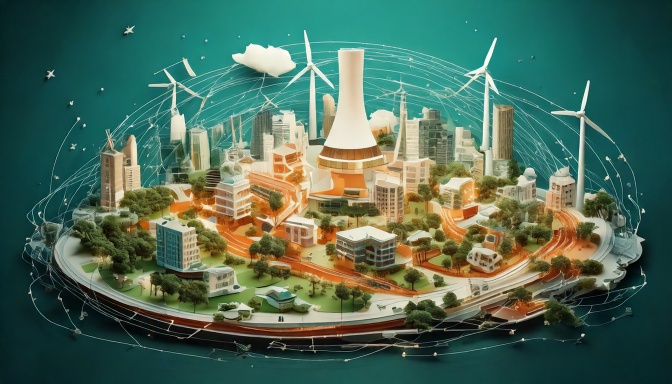
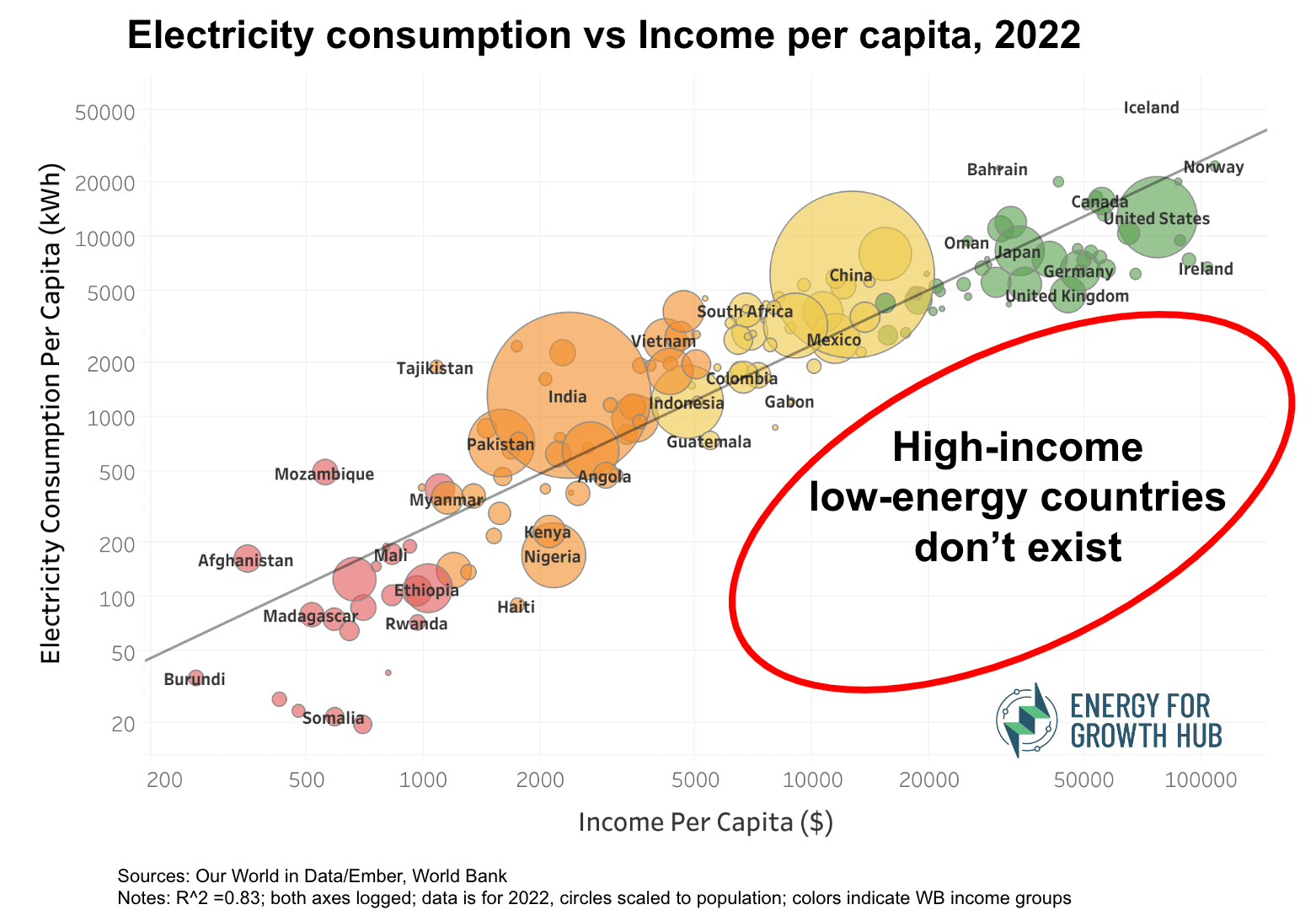
Imagine a city where the lights never flicker, electric buses hum through clean streets, and air conditioners run without breaking the bank – even on the hottest days. This isn’t a sci-fi dream; it’s what energy abundance could deliver for the cities of tomorrow. As urban areas grow and technology advances, the demand for reliable, affordable energy is skyrocketing. By 2040, emerging markets could see an 85% jump in electricity needs, driven by more people, electric vehicles, and climate-driven cooling demands. Without abundant energy, cities risk stagnation, inequality, and vulnerability to a warming planet. There is no wealth with low-energy:
Nuclear power could be a game-changer here. It’s clean, powerful, and reliable – perfect for packed urban spaces. But it’s not without baggage: safety fears, waste worries, and big upfront costs spark debate. Let’s see why energy abundance matters, how nuclear power could help, and weigh its pros and cons.
Why cities need energy abundance
Cities are the engines of our world – home to most people and economic activity. The International Energy Agency (IEA) reported a 2.2% rise in global energy demand in 2024, with 80% from developing regions, and cities are at the forefront. Urban populations in places like China could hit 75% by 2040, while climate change pushes cooling needs higher.
Energy abundance—having more than enough power, cheaply and reliably—keeps cities ticking. It powers skyscrapers, factories, and homes, supports jobs, and lets people live comfortably. Andrew Vass, a financial expert on the What is The Future for Cities? Podcast, paints a vivid picture: cities should be dynamic, vibrant, clean, and affordable. High energy costs—like his 52-60 cents per kilowatt hour in Sydney—dull that vibrancy, making life harder and less competitive. Abundant energy, he argues in episode 314, is the backbone of thriving urban life:
Nuclear power: A heavy hitter for urban energy
Nuclear power packs a punch. A single uranium pellet matches the energy of a ton of coal, making it a space-saver for cramped cities. Unlike solar or wind, nuclear runs 24/7, with a reliability rate over 92%—double that of gas or coal. Plus, it’s nearly carbon-free, dodging the smog fossil fuels churn out.
Picture this: a small modular reactor (SMR) like NuScale’s design could power half a million homes on less than a tenth of a square mile. That’s a big deal for cities where land is gold. Nuclear for Australia highlights advanced options too, like the TerraPower Natrium Reactor, which uses liquid sodium and molten salt to boost safety and pair with renewables. For cities craving steady, green power, nuclear’s a strong contender, as is discussed in episode 313 on the What is The Future for Cities? Podcast:
Pros and cons of nuclear power
Nuclear’s got a lot going for it:
- Tiny footprint, huge output: It’s perfect for cities. SMRs can be built in factories and shipped out, cutting construction time and costs.
- Clean air bonus: No greenhouse gases during operation – it’s a win for urban health and climate goals, avoiding 471 million tons of CO2 in the US alone in 2020.
- Rock-solid reliability: It’s always on, unlike weather-dependent solar or wind, keeping city grids stable.
- Jobs and savings: It creates well-paid jobs and, over time, slashes operating costs due to low fuel needs. Vass points out that in episode 314 on the WTF4Cities? podcast after the first pricey build, costs drop – like at Vogel, where the second reactor was 30% cheaper.
- Innovation boost: From SMRs to recycling waste, nuclear drives tech progress that could reshape urban energy.
Vass adds a twist: nuclear’s value isn’t just in the upfront cost but in long-term benefits – like a “trust fund” for future generations, lasting 80-100 years with cheap, stable energy:
Nuclear’s not perfect. Here’s where it gets tricky:
- Safety scares: Chernobyl and Fukushima linger in memory. Modern plants have passive safety systems that kick in automatically—like gravity cooling—but dense cities amplify the stakes if something goes wrong (NCI).
- Nuclear for Australia insists risks are low and that nuclear jobs are the safest jobs in the world because the nuclear industry learns from the past, yet public fear persists.
- Research and experience also shows that living next to a nuclear power plant shows less radiation than eating a banana or avocado.
- Waste woes: Radioactive leftovers last thousands of years. Deep underground storage works, but sites like Yucca Mountain stall out.
- Recycling helps, though—more on that soon.
- Big price tag up front: Building costs hit $8,475-$13,925 per kilowatt in the US. That’s a hurdle compared to renewables’ lower startup costs
- Though Vass argues long-term value offsets this, with its longevity and reliability.
- Nuclear for Australia also disproves the cost myths
- Public pushback: Safety fears and history fuel opposition, slowing projects—especially near cities where people’s voices are loud. Vass blames Australia’s risk-averse culture for stalling progress.
- Although that might be a false assumption, as Kirsty Braybon will talk about the UK as an example in the WTF4Cities podcast‘s 332nd episode: after Fukushima, people in the UK became more aware of their nuclear power plants, and thus more accepting and appreciative of the technology generating their energy.
These challenges aren’t small, but solutions are emerging.
[On a personal note: Hungary gets 44% of its power from one nuclear power plant so for me this is a very easy let’s go for nuclear stance.]
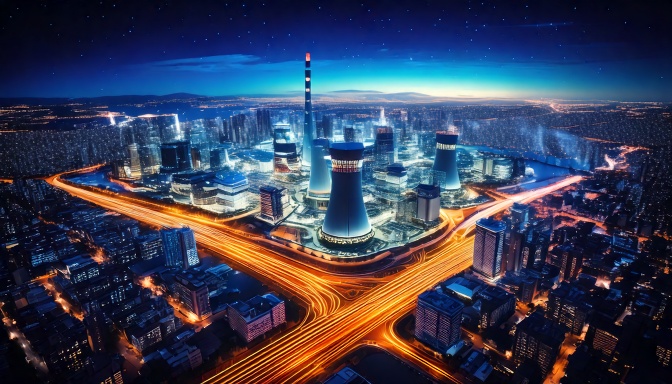
Recycling nuclear waste: A game-changer
Here’s a shocker: nuclear waste isn’t all trash. Up to 96% of used fuel can be recycled, pulling out energy-rich materials to reuse. France does this, shrinking waste piles and powering reactors longer without extra mining. The Nuclear for Australia episode on the What is The future for Cities? podcast flags this too – less waste, less worry.
New tech takes it further. Bill Gates’ TerraPower and Sam Altman’s Oklo are designing reactors that burn “waste” as fuel, closing the loop. Over decades, this could slash the long-term headache of storage, making nuclear cleaner and more sustainable for cities.
The long-term cost picture
Nuclear’s price tag isn’t just the build – it’s the whole lifecycle: construction, running it, shutting it down, and handling waste. Yes, starting costs are steep – think billions, like Vogel’s $32 billion. But once built, fuel costs are tiny, and plants run 60-80 years, sometimes 100 (World Nuclear Association). That’s decades of predictable, low-cost power, as Vass described it in episode 314 on the What is The Future for Cities? podcast.
Decommissioning and waste storage add up, though. Shutting down a plant and burying waste safely isn’t cheap, and poor planning can inflate costs. Vass argues government-backed projects – like Australia’s proposed nuclear plan – cut financing costs (down to 1.75% real interest vs. CSIRO’s 6%) and let debt roll over, easing the burden. Over 80 years, he sees nuclear as a bargain, delivering stable energy that keeps cities competitive:
How does nuclear stack up?
- Vs. renewables: Solar and wind are cheaper to start and green, but they’re patchy – sun doesn’t always shine, wind doesn’t always blow. Nuclear’s steady output fills the gap.
- Vs. fossil fuels: Coal and gas are reliable but dirty, pumping out CO2 and smog. Nuclear’s cleaner and, long-term, less volatile on price.
Waste is nuclear’s Achilles’ heel, but recycling and tech advances are tackling that. Cities need a mix – nuclear could anchor it.
France gets 70% of its electricity from nuclear, keeping urban emissions low. SMRs promise even more – compact, safe, and urban-friendly. Australia, with vast uranium but no nuclear power, could follow suit, says Nuclear for Australia, especially with the AUKUS deal nudging the door open.
Energy abundance is the lifeblood of future cities – keeping them buzzing, green, and livable. Nuclear power’s a powerhouse contender: reliable, clean, and space-smart. It’s got hurdles – safety, waste, costs, and skepticism – but recycling and long-term value flip the script. As Vass puts it, it’s about value, not just cost: an 80-year energy trust fund for our kids.
Cities can’t thrive on scarcity.
Pair nuclear with renewables, innovate on waste, and we’ve got a shot at urban futures that shine.
What do you think – could nuclear power up your city?
Ready to build a better tomorrow for our cities? I’d love to hear your thoughts, ideas, or even explore ways we can collaborate. Connect with me at info@fannimelles.com or find me on Twitter/X at @fannimelles – let’s make urban innovation a reality together!
 Vitruvian Solutions
Leave a comment