Imagine waking up in a city where your morning coffee comes from beans grown halfway around the world, your smartphone was designed in one country and assembled in another, and the person next to you on the train speaks a language you have never heard before. This is the everyday reality for millions living in today’s connected urban centres. Globalisation – the growing links between economies, cultures and people across borders – has reshaped cities faster than at any time in history. But is it creating a brighter future for them, or simply magnifying old problems in new ways?
This article explores both sides of the story. We will look at what globalisation means, the clear advantages it brings to cities, the serious drawbacks that cannot be ignored, real-life examples from different continents, and practical steps forward. By the end, you may see your own city in a new light – and feel ready to help shape its path ahead.
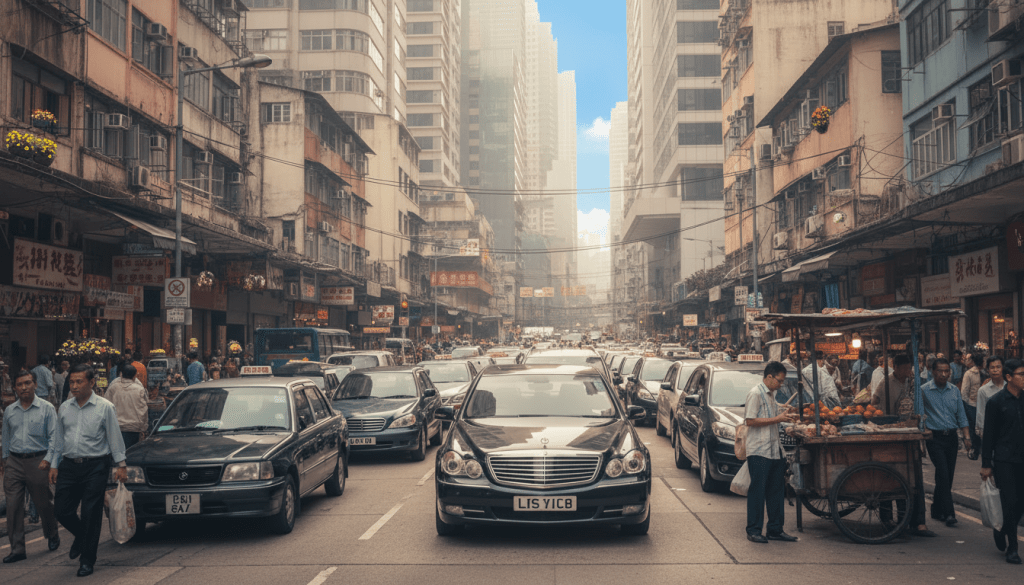
What exactly is globalisation?
Globalisation is the process that makes the world’s economies, cultures and populations more interdependent. It happens through trade in goods and services, the movement of money and investment, the flow of people and ideas, and advances in technology and transport. The Peterson Institute for International Economics describes it as “the growing interdependence of the world’s economies, cultures, and populations, brought about by cross-border trade in goods and services, technology, and flows of investment, people, and information”.
In simple terms, decisions made in one part of the globe now affect daily life in cities thousands of kilometres away. A factory closure in one country can mean job losses in another; a new trade deal can bring fresh investment to a distant port city. This connection has sped up since the 1990s, after the end of the Cold War, but its roots stretch back centuries through shipping routes, colonial trade and later digital networks. For cities, globalisation acts like a powerful magnet. It pulls in talent, money and ideas while pushing out local products and services to global markets. The result is faster change – sometimes exciting, sometimes unsettling.
Episode 405R on the What is The Future for Cities? podcast debates a research about 194 cities and their globalisation effects:
How globalisation benefits cities
On the positive side, globalisation has helped many cities become engines of growth, innovation and opportunity.
First, it drives economic expansion. Cities that open to international trade and investment often see rapid rises in jobs and income. Larger cities export far more of their output than smaller ones. Research from the Centre for Economic Policy Research shows that doubling a city’s size can boost its export share by 17 to 33 percent, because big cities attract the most productive companies and skilled workers.
Second, globalisation spreads technology and knowledge. Cities gain access to the latest tools in transport, health care, renewable energy and digital services. This helps them solve local problems more efficiently. For instance, smart traffic systems first tested in one country quickly appear in others, cutting commute times and pollution.
Third, cultural exchange enriches daily life. Residents enjoy diverse food, music, art and festivals. This mix fosters creativity and makes cities more attractive places to live, work and visit. Tourists and expatriates bring new energy and spending power.
Fourth, cities become hubs for global talent. Young professionals move to places like Singapore, Dubai or Melbourne for better careers, bringing fresh skills and perspectives. Cities now house more than 57 percent of the world’s population (about 4.7 billion people) and generate over 80 percent of global GDP. This concentration of people and activity fuels innovation that benefits everyone.
Finally, globalisation encourages cities to compete and improve. To attract investment, leaders invest in better infrastructure, education and public services. The result can be cleaner streets, more parks and stronger communities – at least in the successful cases.
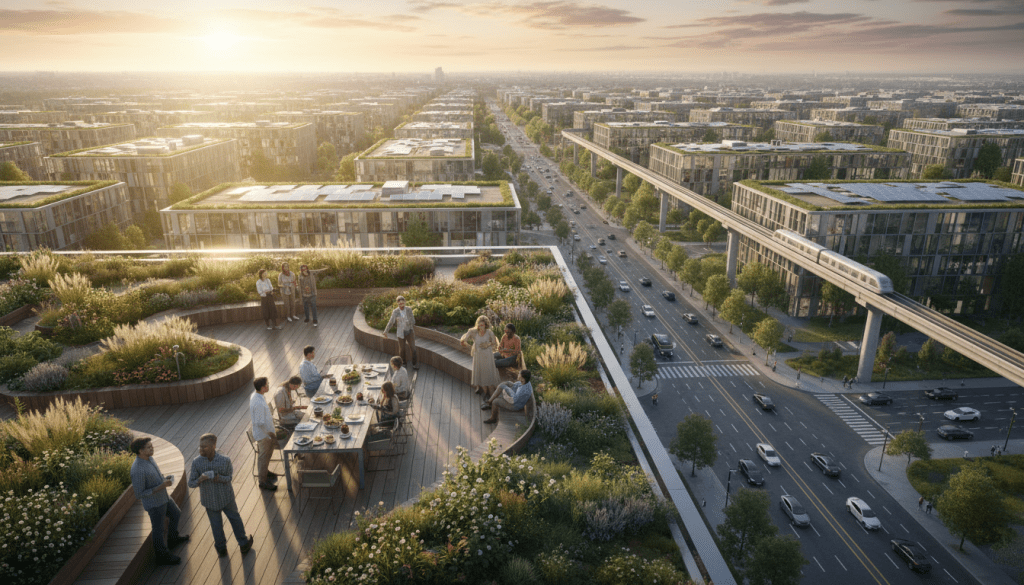
The downsides of globalisation for urban areas
Yet the picture is far from perfect. Globalisation can widen gaps, strain resources and create new tensions inside cities.
One major issue is rising inequality. While big cities boom, smaller towns and rural areas often lose out. Jobs in traditional industries move overseas, leaving parts of the population behind. Even within successful cities, wealth concentrates in certain districts while others struggle.
Another problem is pressure on housing and services. Rapid growth brings migrants seeking work, but supply of affordable homes often lags. This fuels the spread of informal settlements, or slums. More than one billion people worldwide now live in urban slums , many drawn by the promise of city jobs that globalisation has accelerated.
Environmental strain is also clear. Concentrated economic activity means higher energy use, more waste and greater pollution. Factories, ports and airports that serve global trade can worsen air and water quality. Unplanned expansion eats up green space and increases flood risk in low-lying areas.
Social challenges appear too. Cultural mixing can sometimes lead to tension if integration policies fall short. Long-time residents may feel their city’s identity is changing too quickly. Meanwhile, global supply chains can expose cities to sudden shocks – think of how a pandemic or trade dispute quickly empties shops and factories.
Gentrification offers a local example of mixed effects. New investment revives old neighbourhoods, but rising rents push out lower-income families and small businesses. The result is shinier streets but less social diversity.
In short, globalisation does not automatically create better cities. Without careful planning, it can make life harder for many residents even as it lifts overall economic numbers.
Alex Josephson described the drawbacks of globalisation in architecture in episode 406I of the What is The Future for Cities? podcast:
Examples from around the world
Real cities show both sides in action.
Take Shanghai in China. Once a modest port, it has become one of the world’s largest cities through globalisation. Its GDP reached 5.67 trillion yuan (about US$814 billion) in 2025, ranking it fifth among global cities. Urban area expanded dramatically, driven by foreign trade and investment. Millions have found new opportunities, and the city now leads in finance, technology and shipping. Yet rapid growth has also brought air pollution challenges and pressure on housing.
Seoul in South Korea offers another success story. In the 1960s the country was poor and largely agricultural. Through export-focused policies and openness to global markets, Seoul transformed into a high-tech powerhouse. South Korea’s GDP per capita rose from about US$158 in 1960 to over US$36,000 today. The city now boasts advanced smart-city systems, world-leading companies like Samsung, and high living standards. Globalisation helped export culture worldwide through K-pop and technology, enriching its identity while boosting its economy.
On the other side, Mumbai in India illustrates the strains. The city’s global role in finance, film and trade has drawn millions, but large parts of its population live in slums. Dharavi, one of Asia’s largest informal settlements, houses about one million people in crowded conditions with limited clean water and sanitation . Open sewers, polluted rivers and health risks remain serious problems despite the city’s overall economic rise.
These examples show a pattern: globalisation can lift cities to new heights, but the benefits spread unevenly unless strong local policies step in.
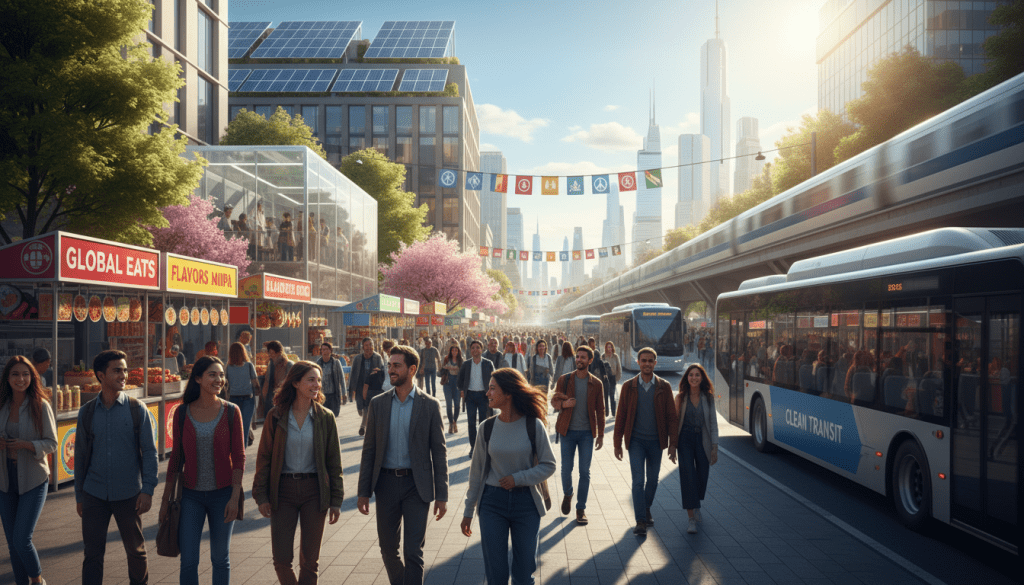
Charting a path forward for cities in a globalised world
The good news is that cities do not have to accept the downsides as inevitable. Many are already finding ways to harness globalisation while protecting their residents.
Leaders can focus on inclusive growth – investing in education and skills so more people benefit from new jobs. Affordable housing programmes and better public transport can reduce inequality and congestion. International partnerships allow cities to share best practices on everything from waste management to digital services.
Businesses and citizens also play a part. Companies can choose suppliers that meet fair labour and environmental standards. Communities can support local initiatives that celebrate diversity while preserving unique character.
International organisations such as the United Nations and World Bank emphasise that with the right approach, urban growth linked to globalisation can become a force for progress. By 2050, nearly 68 percent of people will live in cities . The choices made now will decide whether those cities are fair, liveable and resilient.
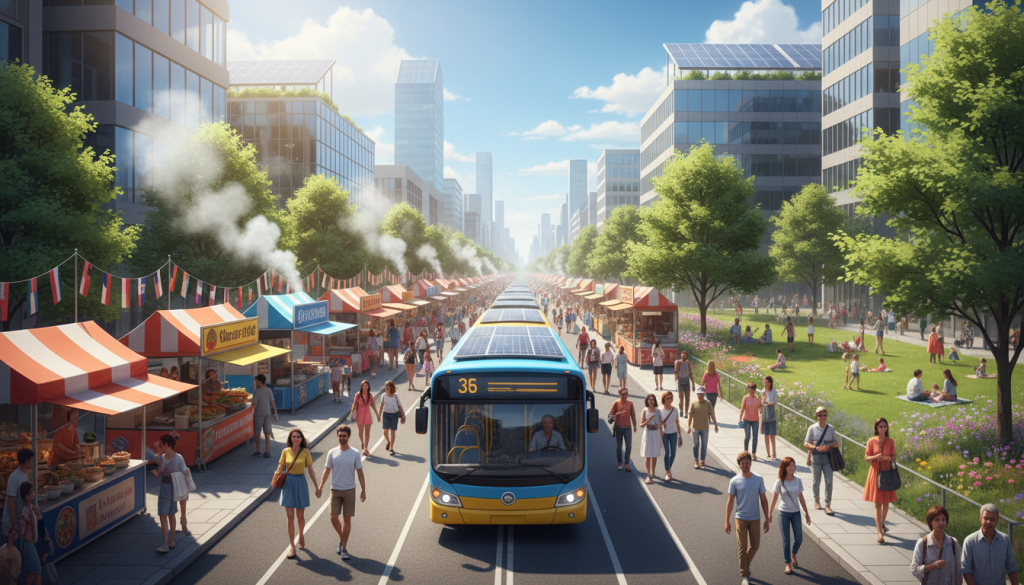
Globalisation has already changed our cities in profound ways – bringing opportunity, diversity and growth, but also inequality, pressure on resources and social challenges. The future is not fixed. Cities that actively manage these forces, rather than simply riding the wave, stand the best chance of creating better lives for all their residents.
What role will your city play? Will it become a place where global connections lift everyone up, or leave too many behind? The answer depends on the decisions we make today – as voters, as workers, as neighbours.
Start a conversation in your community. Support leaders who balance openness with fairness. And remember: the same connections that link us across borders can also help us learn from one another and build cities that truly work for the people who call them home.
Next week, we are investigating whether sustainability can or should be profitable!
Ready to build a better tomorrow for our cities? I’d love to hear your thoughts, ideas, or even explore ways we can collaborate. Connect with me at info@fannimelles.com or find me on Twitter/X at @fannimelles – let’s make urban innovation a reality together!
 Vitruvian Solutions
Leave a comment