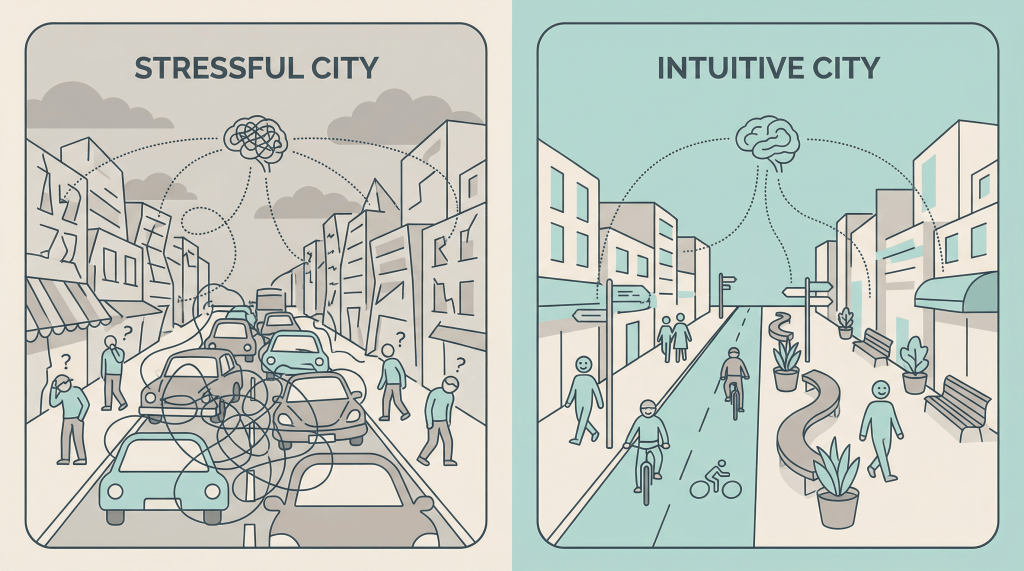
Have you ever wondered why one city feels effortless to live in while another leaves you exhausted by the end of the day? The difference often comes down to how well the built environment matches the way humans actually think and behave – not how we wish we would. As the world’s urban population swells toward 68-70 per cent by 2050, planners, mayors and communities face a choice. They can keep building bigger roads and smarter apps hoping people will adapt, or they can start designing cities that work with human psychology instead of against it. Behavioural science offers that second path – and it is already delivering measurable results around the globe.
Understanding behavioural science: The science of human decisions
Behavioural science sits at the intersection of psychology, economics, sociology and neuroscience. It studies how people really make decisions, not how traditional economic models assume they do. Instead of assuming we always weigh costs and benefits rationally, it reveals the shortcuts, habits, social pressures and mental biases that guide our daily choices.
Think of the “default effect”. When a city sets recycling as the automatic option on new bins, participation jumps without anyone being forced. Or consider social norms: residents recycle more when they learn their neighbours are already doing it. These insights come from thousands of controlled experiments worldwide and help explain why well-intentioned policies sometimes fail while tiny, low-cost changes succeed.
Applying behavioural insights to urban challenges
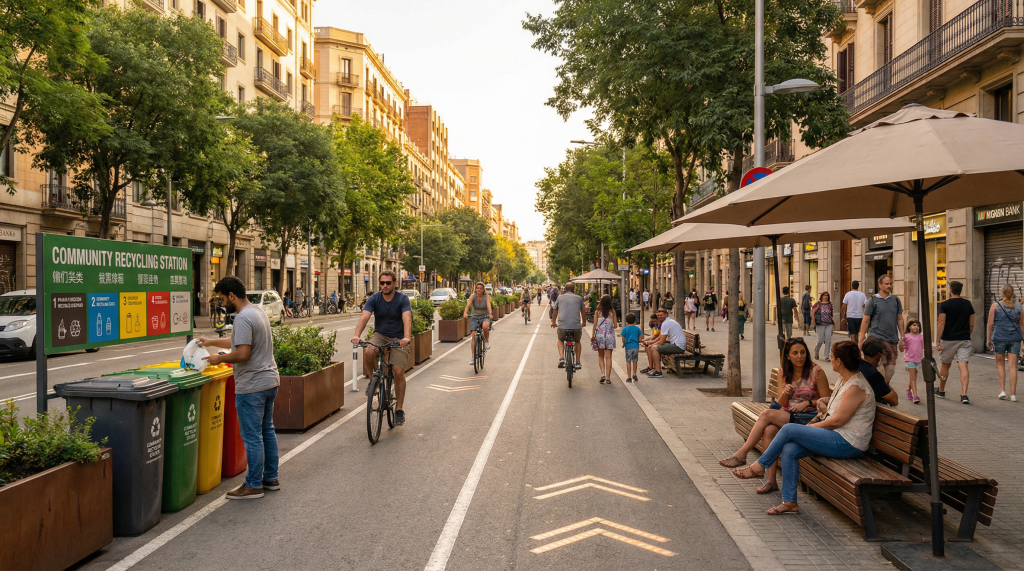
Cities are giant choice environments. Every footpath, traffic light, bin, park bench and bus stop nudges behaviour – consciously or not. Behavioural science simply makes those nudges intentional and evidence-based.
In transport, clear wayfinding signs and painted bike lanes separated from cars reduce the mental effort needed to choose cycling or walking. In waste management, smaller residual-waste bins paired with convenient recycling stations make sorting the easier option. In public services, reminder letters that highlight what “most people in your street” have already done boost compliance on everything from parking fines to tax filings.
The approach is deliberately light-touch. Nudges preserve freedom of choice; they never ban or mandate. Yet they can shift outcomes at scale because they target the automatic, System 1 thinking that drives most of our actions in busy urban life.
The effects of behavioural science on the environment and humans is discussed in detail with Jeff Siegler in episode 404I on the What is The Future for Cities? podcast:
The clear benefits for cities worldwide
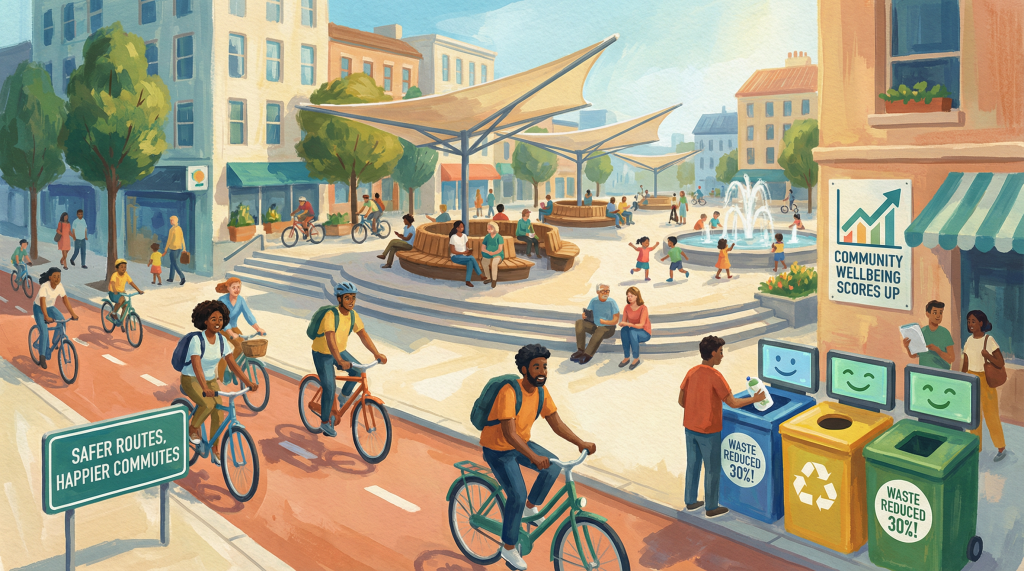
The advantages are practical, measurable and often surprisingly large, and it complements other tools. Regulations and incentives still matter, but behavioural approaches can make them more effective and accepted. A well-designed cycle lane that feels safe encourages riding far more than a campaign alone ever could.
Start with cost. Behavioural interventions typically cost a fraction of traditional infrastructure. In the United States, the Behavioural Insights Team worked with mid-sized cities under Bloomberg Philanthropies’ What Works Cities initiative. Simple postcard tweaks in San Jose increased large-item waste collections by 146 per cent, adding 8 289 pick-ups over three months. In Denver, reframed letters lifted online business tax filings by 67 per cent. In Louisville, a social-norm letter on parking tickets generated an extra $100 000 in revenue annually. Another comprehensive analysis of more than 126 randomised trials run by government nudge units found that these interventions improved key outcomes by an average of 8.1 per cent – often by simply rewording letters or adjusting forms.
Waste provides even stronger evidence. A 2024 analysis by The Circulate Initiative across projects in Argentina and Indonesia found that behaviour-change programmes cost between $50 and $150 per additional tonne of recyclables collected – compared with $200 to $700 per tonne for mechanical sorting technology. Payback periods ranged from under one year to five years when landfill savings and carbon credits were included.
In Europe, Romania reduced residual waste by shrinking bin sizes and offering lower collection fees for households that sorted recyclables. Oldham in the United Kingdom used smiley-face stickers on bins to recognise good recycling performance and lifted food-waste diversion. Globally, solid-waste management already accounts for about 5 per cent of greenhouse-gas emissions, mostly from landfills; behavioural approaches help cut that burden without massive capital outlay.
Health gains appear too. Cities with intuitive walking and cycling infrastructure see residents integrate physical activity into daily routines. Copenhagen’s cohesive network of protected bike lanes, advance stop lines and comfortable waiting positions at lights has helped push cycling to roughly half of all trips to work or school. The design works with human tendencies – comfort reduces red-light running, visibility builds confidence – creating a self-reinforcing loop of safer, more active streets.
Social cohesion improves when public spaces encourage lingering and interaction. Well-placed benches, shaded gathering spots and clear sightlines lower stress and isolation. When environments feel predictable and fair, trust in local government rises – a prerequisite for tackling bigger challenges together.
Navigating the drawbacks: ethics and limitations
Behavioural science is not a magic wand, and honest discussion of its limits matters.
First, results can vary by culture, income level and context. A social-norm message that works in Denver may land differently in a collectivist Asian city or a low-trust neighbourhood. Piloting and local adaptation are essential. Over-reliance on any single approach can also overlook deeper structural issues such as inequality or lack of resources. Behavioural insights are most powerful when paired with investment, inclusive design and political will.
Second, ethical questions arise. Critics worry that “nudges” can feel manipulative if citizens do not know they are being influenced. Transparency helps – publishing the evidence behind a new bin design or bus-timetable change builds legitimacy. Others fear governments might use behavioural tools to avoid harder structural reforms such as affordable housing or equitable transit investment. The best practice pairs nudges with those bigger investments, not as a substitute. A 2017 Canadian government review outlined five key standards for responsible use: respect for autonomy, preservation of freedom of choice, avoidance of excessive paternalism, prevention of covert manipulation, and full transparency about intentions . When these principles are followed – through clear communication and public oversight – the risk drops sharply.
Third, unintended consequences occur. A well-meaning energy-saving feedback letter once backfired when households assumed “the government is handling it” and reduced their own effort. Careful testing and monitoring prevent most such slips.
Used responsibly, however, behavioural science actually strengthens autonomy. By removing friction and highlighting genuine benefits, it helps people act on values they already hold – whether that is protecting neighbourhood cleanliness or keeping children active.
Beyond victims: how we actively shape our cities
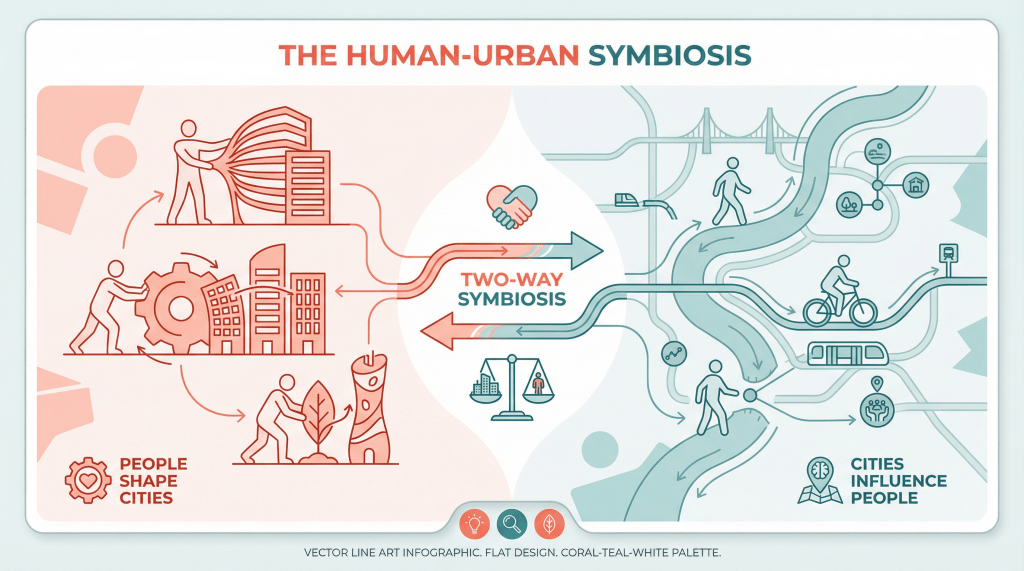
A crucial insight cuts through both the promise and the caution: although the environment shapes us, we also shape the environment. We are not passive victims of our surroundings. Cities are human creations, and every street layout, park bench or traffic signal reflects choices made by planners, politicians and communities. At the same time, once built, those features quietly steer our daily habits – where we walk, how long we linger, whether we feel welcome.
Our streets, parks and buildings shape our habits, yet citizens, community groups and advocacy organisations constantly reshape those environments. Parents petition for safer school crossings. Neighbourhood associations redesign pocket parks. Digital platforms let residents vote on new cycleway routes. When behavioural science informs these processes – through participatory workshops that map real walking patterns or citizen-science apps that log heat-island hotspots – the resulting designs enjoy higher ownership and longer-term success.
We are not victims; we are co-creators. Recognising that agency turns behavioural insights from top-down tools into shared resources that empower communities.
This two-way relationship is at the heart of a 2025 framework for human-centred urban design. Researchers reviewed evidence across seven domains – from overall city form to public spaces and housing – and concluded that “urban form acts as an architecture of choice that affects daily behavioural decisions” . Poor design can amplify stress or isolation. Thoughtful design can encourage connection and care for shared spaces. Because we design the city, we retain agency to redesign it better – through participatory processes, pilot projects and ongoing evaluation of how people actually respond. Find out more in episode 403R on the What is The Future for Cities? podcast:
Real-world successes: cities leading the way
Beyond the examples already mentioned, dozens of cities now embed behavioural expertise.
Singapore’s “smart nation” initiatives test default settings for energy-efficient appliances in new housing estates. Bogotá has used painted “eyes” on pavements to reduce littering through a simple social cue. Melbourne’s laneway activation projects combine lighting, seating and art to make previously neglected alleys feel safe and inviting – lifting foot traffic and local business vitality.
Copenhagen did not rely solely on appeals to “be green”. It invested in separated cycle tracks, safe intersections and convenient parking while making driving relatively less attractive in the centre. Today, 49 per cent of commuter trips are by bike. The infrastructure changed the environment, which in turn changed behaviour, which reinforced demand for even better infrastructure – a virtuous cycle of mutual shaping.
In New Orleans, behavioural teams sent simple text reminders to low-income residents about free health check-ups. Sign-up rates rose by 40 per cent. The nudge removed small frictions and leveraged timely prompts, proving that even brief, inexpensive changes can improve access to essential services.
Each success shares three traits: rigorous testing, transparency about methods, and iteration based on real user feedback.
Looking ahead: building behaviourally informed cities
The next decade will see behavioural science move from occasional pilot to standard practice. Municipal behavioural-insights units, already operating in London, New York and Sydney, will become as common as transport or planning departments. Universities will train “urban behavioural designers”. International standards for ethical nudging in the public realm will emerge.
Technology will help. Real-time data from phones and sensors can refine nudges hour by hour – suggesting quieter side streets during peak pollution or highlighting the fastest bus route right when you need it. Artificial intelligence can simulate thousands of design variations and predict behavioural outcomes before a single brick is laid.
The ultimate goal remains human-centred: cities that feel intuitive, fair and joyful because they align with how we actually live, decide and connect.

Behavioural science will not solve every urban problem on its own. It cannot replace the need for affordable housing, clean energy grids or inclusive governance. What it can do is make every dollar and every design decision work harder – delivering healthier, more equitable and more liveable places at lower cost and with broader public support.
So here is the question worth pondering – and acting on:
If the smallest changes in how we present choices can measurably improve how millions of people move, sort waste, stay active and connect with neighbours, what single behavioural insight could your city test next?
The answer will differ from Melbourne to Mumbai, from Copenhagen to Cape Town. But the invitation is universal. Step forward, share what you observe about how people actually behave in your streets, and help shape the evidence that will guide the cities of 2050.
Because the future of our cities is not just something that happens to us. It is something we design – one thoughtful nudge, one community conversation, one evidence-based decision at a time.
Next week, we are investigating the benefits and disadvantages of globalisation in architecture and the built environment!
Ready to build a better tomorrow for our cities? I’d love to hear your thoughts, ideas, or even explore ways we can collaborate. Connect with me at info@fannimelles.com or find me on Twitter/X at @fannimelles – let’s make urban innovation a reality together!
 Vitruvian Solutions
Leave a comment