Cities are the frontline in the fight against climate change. They generate around 80% of global GDP yet face rising temperatures, extreme weather, and resource strains. Success demands more than top-down policies – it requires unleashing professional creativity across sectors. Technology here means applied knowledge: the practical use of scientific, legal, financial, and managerial expertise to tackle real problems. When professionals gain autonomy to experiment and collaborate, breakthroughs follow. This post examines urban climate strategies at global, local, and individual levels, showing how creative freedom drives transformation.
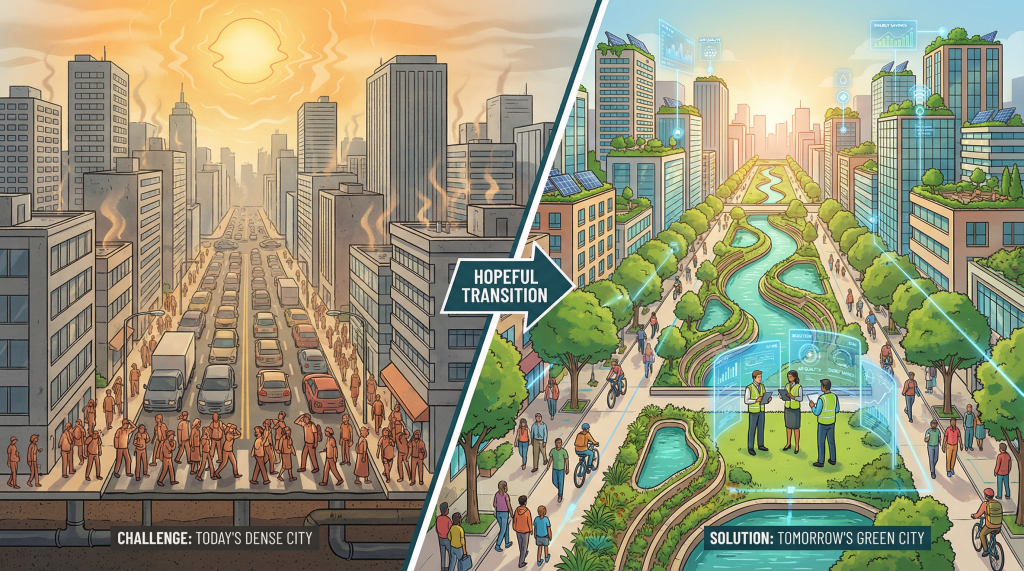
Global strategic frameworks and expanding innovation
Global climate efforts now focus on dynamic networks that connect cities, investors, and innovators. Networks like C40 Cities help mayors access finance for clean energy, mobility, and adaptation projects. With cities holding economic and political weight, they can scale solutions quickly. Financial and legal experts lead this shift. Blended finance models combine public funds with private capital to make projects bankable. Cities issue green bonds, improve credit ratings, and create dedicated investment teams. Glasgow, for instance, built specialised units to attract private funding for resilience initiatives.
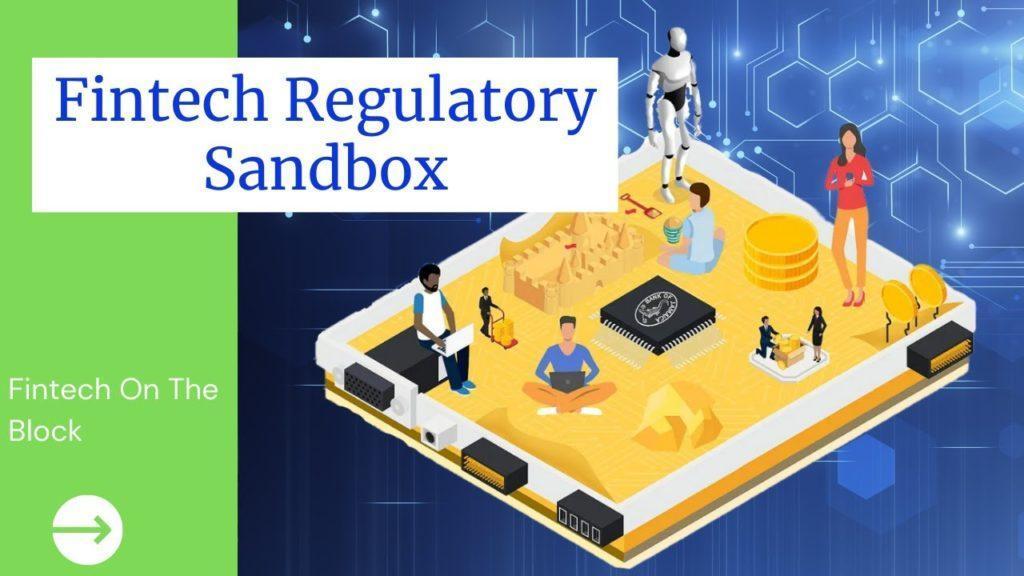
Regulatory sandboxes as experimental spaces
Regulatory sandboxes offer temporary zones where innovators test new ideas outside strict rules. These controlled environments speed up learning and inform future laws. Examples include:
- Singapore’s energy sandbox for efficiency trials
- European projects testing hydrogen technologies
- Utility-focused sandboxes in the US
Cities increasingly adopt this approach for mobility, energy, and urban services. It lets professionals gather real-world data, refine ideas, and evolve regulations alongside advancing knowledge.
Local action: Applying knowledge to infrastructure
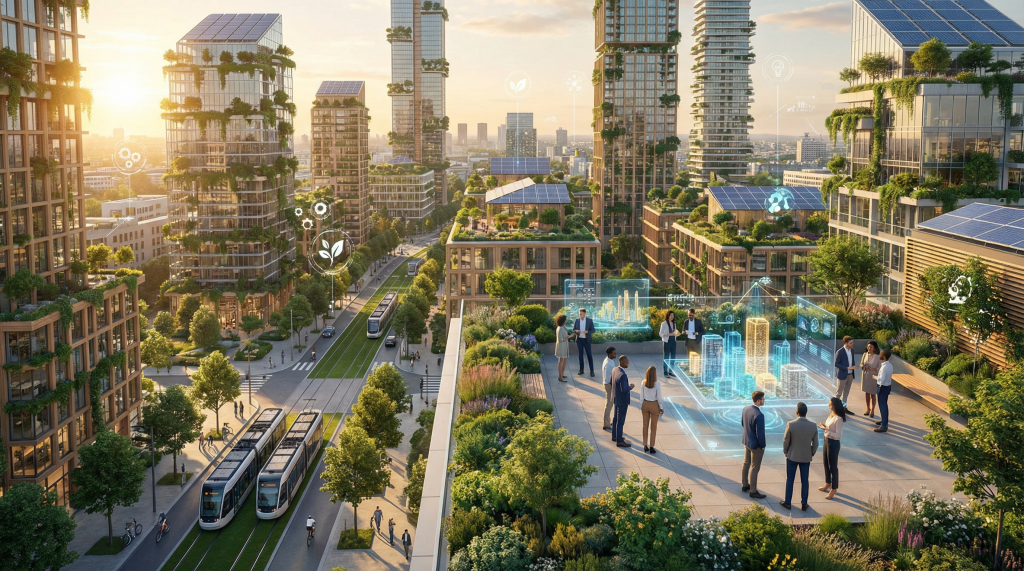
At the city level, professionals redesign systems like energy grids, transport, and green spaces. Nature-based solutions stand out – they use biological expertise to complement traditional engineering.
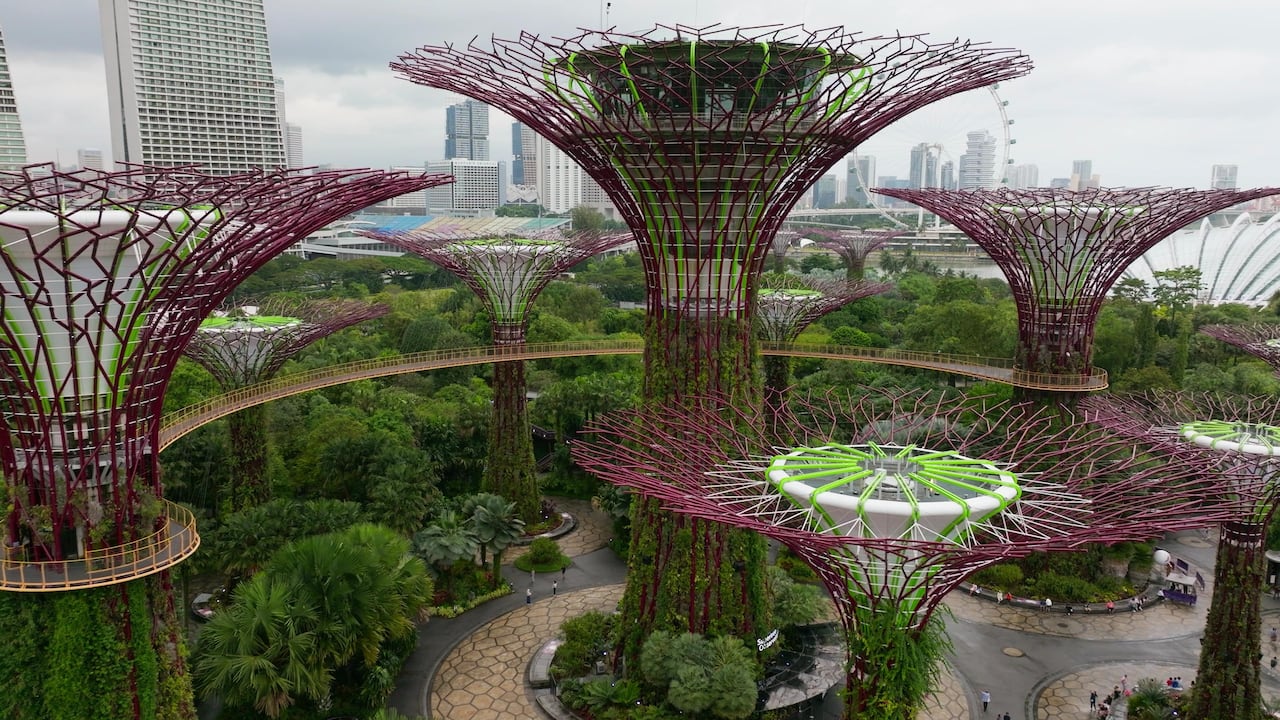
Singapore integrates vertical gardens and sensors to cool buildings and manage heat.
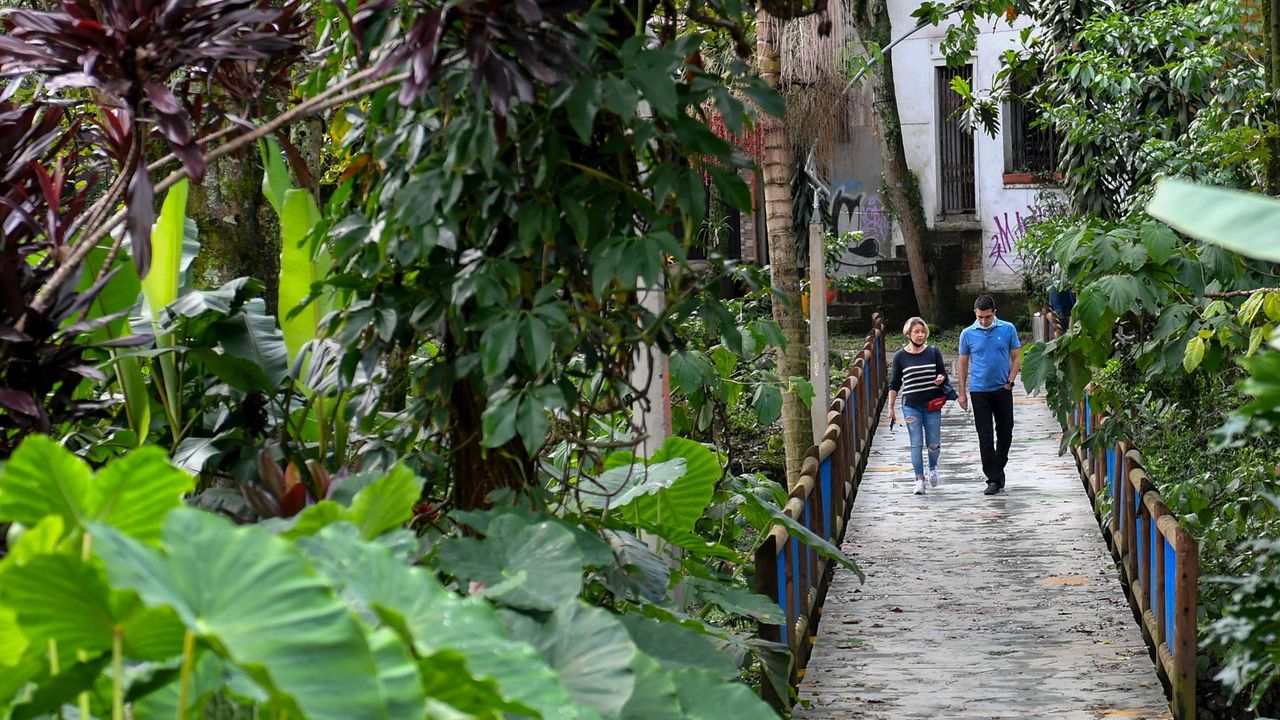
Medellín‘s green corridors – shaded routes with native plants – lowered temperatures and boosted biodiversity.
Universal professional creativity: Breaking silos
Universal professional creativity is the core driver of urban climate transformation. It thrives when cities include professionals from all fields – biologists, engineers, lawyers, planners, and managers – and grant them autonomy to challenge norms, experiment, and collaborate across boundaries. Siloed departments block progress; removing these barriers allows diverse expertise to create integrated solutions with multiple benefits. Creative governance, through urban living labs, provides spaces for researchers, industry, and communities to co-design beyond conventional limits. By eliminating institutional obstacles, cities unlock high-impact, resilient outcomes essential for carbon-neutral futures.
Governance and co-creation
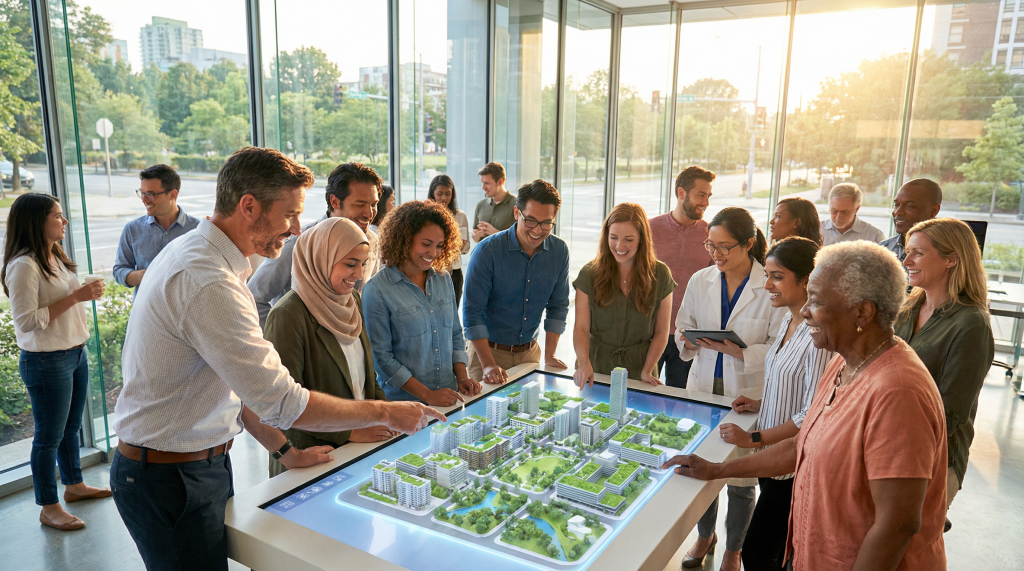
Creative governance transforms urban climate action by shifting city administration from rigid top-down control to collaborative facilitation. Urban living labs provide dedicated spaces for researchers, industry, communities, and officials to co-create solutions unconstrained by conventional rules, testing innovations in housing, mobility, energy, and resilience. Paris and Berlin engage in wide lab networks for context-specific infrastructure strategies. Aachen uses urban design to embed cross-sectoral standards in planning, while Ormoc City in the Philippines builds departmental capacity through participatory climate processes. This co-creation builds trust, speeds knowledge sharing, and delivers adaptable, locally tailored outcomes that traditional models often miss.
Many cities empower “policy champions” to integrate efforts across departments. Durban’s model combined water and biodiversity projects without extra costs. Granting autonomy helps professionals challenge norms and deliver integrated outcomes.
Individual agency: Managed energy and community knowledge
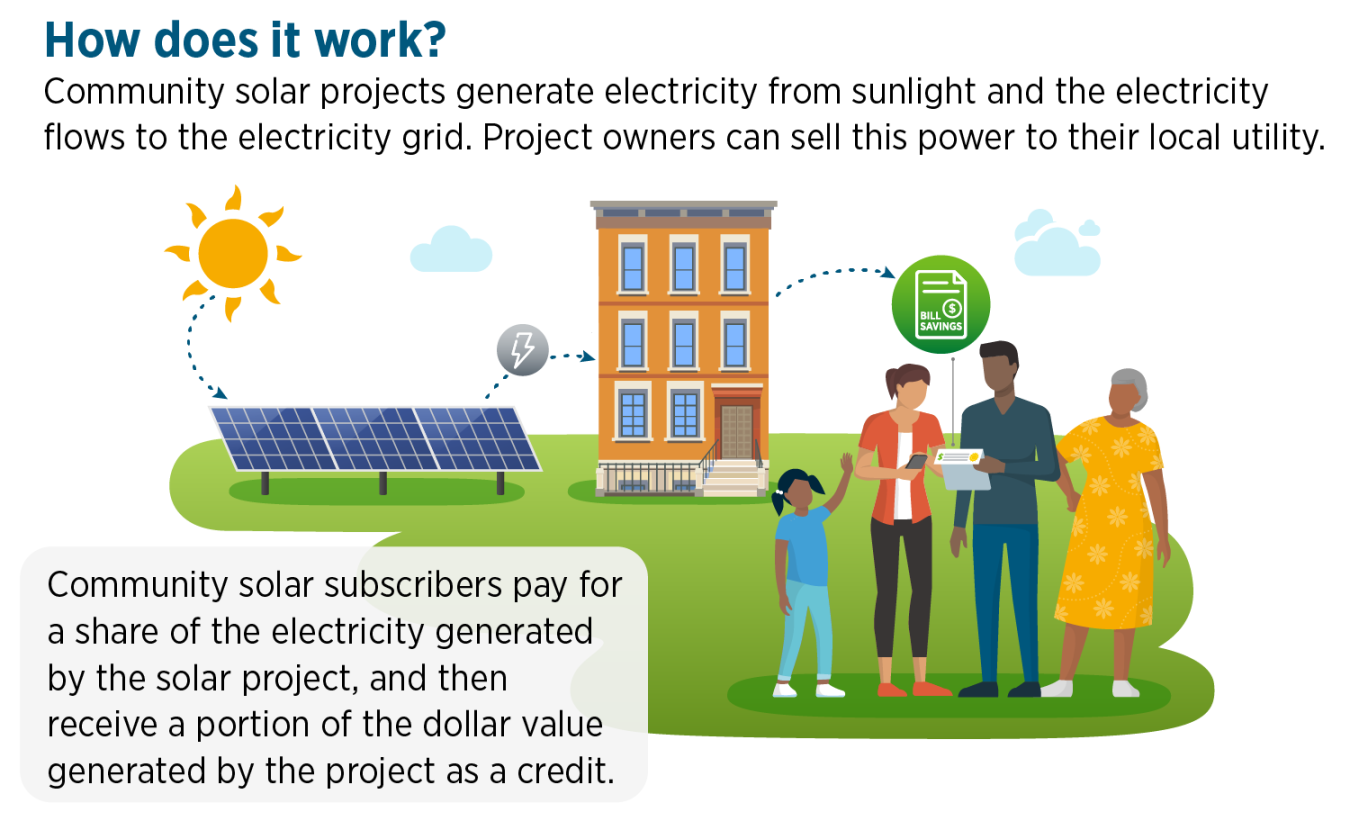
Individual agency empowers urban residents to actively shape climate outcomes through accessible technologies and community models. Smart home energy management systems, using IoT devices and machine learning, provide real-time insights into usage patterns, encouraging efficient behaviours and grid stability during peaks. Adaptive heating and cooling automate adjustments based on occupancy and weather, reducing waste in apartments. Community solar programs enable renters to subscribe to off-site arrays, lowering bills and boosting resilience against outages. Emerging peer-to-peer trading via blockchain allows neighbours to exchange excess renewable energy directly. These tools place practical control in residents’ hands, turning personal choices into collective contributions toward carbon-neutral cities.
Urban climate action succeeds when we view innovation as applied knowledge across professions. Globally, financial and regulatory tools mobilise capital and enable experiments. Locally, creative infrastructure redesign turns cities into resilient systems. At the individual level, technology and community models give people direct influence.
The core insight is simple: foster professional freedom. When cities act as living laboratories – encouraging experimentation from all sectors – they unlock site-specific, scalable solutions. This approach offers the path to carbon-neutral, resilient urban futures.
Next week, we are investigating how real estate prices change with resilience measures installed within and around!
Ready to build a better tomorrow for our cities? I’d love to hear your thoughts, ideas, or even explore ways we can collaborate. Connect with me at info@fannimelles.com or find me on Twitter/X at @fannimelles – let’s make urban innovation a reality together!
 Vitruvian Solutions
Leave a comment