Picture this: Sarah, a 32-year-old software engineer, wakes up each morning in her cramped New York City flat. The commute on the packed subway drains her energy before she even logs in for work. Rent eats up half her salary, and weekends are spent dodging crowds just to grab a coffee. One day, after yet another burnout episode, she scrolls through job listings and spots an opening in Raleigh, North Carolina. It’s a mid-sized city she’s barely heard of, but the promise of a spacious home, shorter drives, and green spaces pulls her in. Six months later, Sarah’s thriving – working remotely part-time, hiking on weekends, and even starting a side hustle. Her story isn’t unique; it’s part of a larger shift where people are rediscovering the appeal of places that aren’t overwhelming megacities.
Mid-sized cities, typically those with populations between 100,000 and 1 million, are emerging as vital pieces in the puzzle of future urban living. They’re not the sprawling giants like Tokyo or New York, nor the quiet small towns. Instead, they offer a middle ground – big enough for jobs, culture, and amenities, but small enough to avoid the chaos of congestion and sky-high costs. As the world urbanises rapidly, these cities could play a starring role in creating more liveable urban spaces. Today, more than half the global population lives in urban areas, a figure projected to rise to nearly 70 per cent by 2050. This growth puts pressure on resources, but mid-sized cities might ease it by distributing people more evenly.

Let’s look at the trends driving this change. In the United States, for instance, population growth has tilted towards the South and West, with mid-sized cities leading the charge. From 2022 to 2023, cities with 50,000 or more residents grew on average by 498 people, but those in the Sun Belt – think places like Huntsville, Alabama, or Fayetteville, Arkansas – saw even stronger gains. Meanwhile, larger cities in the Northeast and Midwest have faced slowdowns or outright declines. Take New York City: its population drop eased to 0.9 per cent in 2023 from 3.5 per cent in 2021, but it’s still losing ground compared to pre-pandemic levels. Mid-sized spots, however, are attracting migrants at a faster clip. Since 2016, these cities have seen the biggest net inflows of domestic movers, while megacities over 2 million people have experienced outflows.
A WTF4Cities? podcast research episode on ‘The economy forward framework‘ from the Aspen Institute provides metrics for U.S. mid-sized cities to track knowledge-economy transitions and inclusive growth, explaining Sun Belt successes through young firms and equitable access (episode 347R):
Why the appeal? Affordability tops the list. In mid-sized cities, housing costs are often a fraction of those in big metros. A 1 per cent increase in households able to afford homes drew in 274,000 more migrants over three years, based on recent analysis. Raleigh, for example, boasts 48 per cent of young adults with a bachelor’s degree or higher, yet living expenses remain manageable. Businesses love this too – lower costs for energy, commercial space, and labour make it easier to set up shop. Ogden-Clearfield in Utah, another standout, has the lowest income inequality among large metros and lets 75 per cent of its population afford housing. These factors have propelled mid-sized cities up economic rankings; in 2025, only one of the top ten best-performing large cities had over 2 million residents, down from six in the 2010s.
This pattern isn’t limited to America. Across Europe, mid-sized cities are quietly reshaping urban dynamics, often building on centuries of history while adapting to modern needs. Take Aarhus in Denmark, with around 350,000 residents. Once overshadowed by Copenhagen, Aarhus has surged as a hub for education and tech, home to one of Scandinavia’s largest universities. Its population grew by about 1.5 per cent annually in recent years, drawing young professionals with affordable rents – median prices sit at roughly half those in the capital – and a vibrant cultural scene, including the ARoS art museum. Similarly, in Germany, cities like Leipzig (population about 600,000) have rebounded from post-reunification decline. After losing residents in the 1990s, Leipzig gained over 100,000 people since 2010, thanks to low living costs and a booming creative economy. House prices there rose but remain accessible, at around €3,500 per square metre compared to €8,000 in Berlin.
A What is The Future for Cities? podcast interview (episode 378I) with Remco Deelstra in Leeuwarden explores Dutch mid-sized cities’ focus on organic evolution, cross-disciplinary integration, and experimentation to boost livability and economic opportunities—directly linking to community-driven planning:
Remote work has supercharged this trend, acting like a bridge for people like Sarah to relocate without sacrificing careers. Before the pandemic, big cities drew talent with office hubs, but now, with flexible arrangements, workers can chase better quality of life. This shift allows mid-sized cities to pull in skilled professionals, boosting local economies. Huntsville, anchored by NASA’s Marshall Space Flight Center, has grown its population by nearly 2 per cent in recent years, thanks in part to remote-friendly tech jobs. Fayetteville‘s 16 per cent job growth, fuelled by the University of Arkansas and Walmart’s influence, shows how education and industry can thrive without the density of a megacity. In Europe, the same forces are at play. Porto in Portugal, with about 230,000 in the city proper but over 1 million in the metro area, has become a remote work magnet. Tech firms and startups flock there for talent pools educated at the University of Porto, while expats enjoy costs 40 per cent lower than in Lisbon. The city’s digital nomad visa programme has drawn thousands, helping it rank among Europe’s fastest-growing tech scenes.
But mid-sized cities aren’t just about economics; they foster stronger communities. Imagine a young family in Boise, Idaho. Dad works in tech from home, Mum runs a local café, and the kids bike to school through tree-lined streets. This isn’t fiction – Boise’s revival draws on its neighbourhood feel, with revitalised downtowns and public spaces. Greenville, South Carolina, has turned its riverfront into a vibrant hub, blending history with modern vibes. These places avoid the anonymity of huge cities, where people can feel lost in the crowd. Instead, they promote a sense of belonging, which could be crucial as urban isolation becomes a bigger issue. In Europe, this community strength shines in places like Groningen in the Netherlands. With 240,000 residents, it’s a cycling paradise – over 60 per cent of trips are by bike – and invests heavily in green spaces and local festivals. Its university drives innovation, yet the city maintains a small-town warmth, with low crime and high life satisfaction scores.
Nicholas Lalla, on the What is The Future for Cities? podcast‘s 348I episode, details Tulsa’s use of local assets for tech niches and cross-sector accountability, mirroring education-industry synergies in mid-sized U.S. cities for resilient reinvention:
Looking ahead, mid-sized cities should lean into their strengths to shape urban futures. Leaning into their strengths means capitalising on inherent advantages like nimbleness, affordability, and strong community ties to drive innovation and balanced growth. Unlike megacities bogged down by bureaucracy and scale, these places can quickly adapt, experimenting with new ideas in transport, housing, and public spaces without massive red tape. This agility allows them to test bold initiatives that larger cities might struggle to implement, turning potential challenges into opportunities for progress.
Imagine a city planner in Boise, Idaho, spotting a chance to revitalise an old industrial area. With fewer layers of approval, the team launches a mixed-use district blending affordable homes, tech hubs, and green parks in just a few years. This reflects how mid-sized cities in the US are leading urban transformation through such projects, investing in public amenities and climate-resilient designs. Colorado Springs exemplifies this resilience, maintaining low inequality amid growth by prioritising inclusive policies and efficient resource use. Similarly, cities like Huntsville are fostering innovation districts where tech firms collaborate with universities, drawing talent without the high costs of Silicon Valley. By focusing on talent cultivation through education and business-friendly rules, these cities build productive environments that consider transport costs and secure low-cost housing for long-term appeal.
In Europe, this approach shines even brighter. Freiburg in Germany, with its pioneering car-free zones and solar energy adoption – achieving 50 per cent renewable power locally – shows how mid-sized cities can lead in environmental planning. Espoo in Finland, a hub for smart city development, integrates technology and walkable designs to enhance liveability, attracting innovators while keeping growth manageable. Aarhus in Denmark builds on its university strengths to experiment with cultural and tech hubs, growing steadily with rents half those in Copenhagen. The EU’s urban agenda underscores this, positioning intermediate cities – home to 40 per cent of the bloc’s urban dwellers – as key to regional balance and social justice, acting as mediators between rural areas and metropolises.
Tanzanian data shows intermediate cities’ stronger poverty-reduction multipliers per job compared to megacities, backed by a research debate on Developing intermediate cities on the What is The Future for Cities? Podcast (episode 377R) :
Challenges exist, of course. Rapid growth can strain resources, hiking housing prices and traffic. In Raleigh and Ogden, rising real estate threatens the very affordability that drew people in. European examples mirror this: Aarhus faces gentrification pressures, with rents up 20 per cent in five years. To stay ahead, these cities need investments in infrastructure, education, and inclusive policies. Experts suggest focusing on talent development and business-friendly regs, as seen in North Carolina and Utah’s low taxes. In Europe, policies like Germany’s housing subsidies or Denmark’s regional funds help mid-sized cities manage growth. Globally, intermediate cities in developing regions grow fastest, holding advantages for poverty reduction and efficient living. By 2050, with billions more in urban areas, mid-sized ones could balance the load, preventing megacities from buckling.
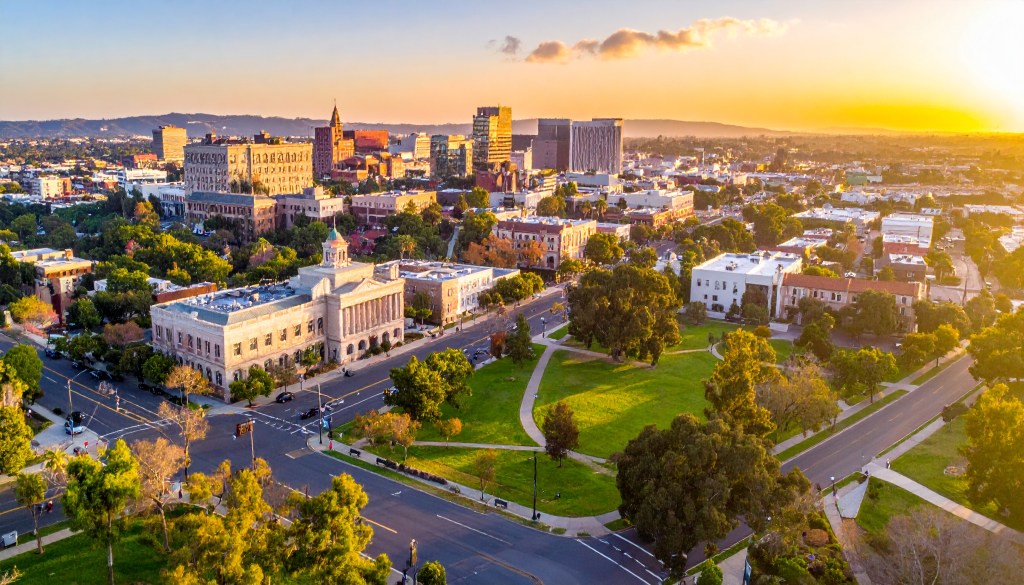
Back to Sarah: in Raleigh, she’s not just surviving – she’s building a life. Her move highlights how mid-sized cities can offer the best of both worlds, whether in the American South or European heartlands like Leipzig or Porto. They’re places where innovation meets community, growth meets affordability.
As we rethink cities, these under-the-radar gems deserve the spotlight.
They could redefine urban success, making futures brighter for millions. In a world racing towards denser living, mid-sized cities remind us that bigger isn’t always better – sometimes, just right is perfect.

Next week, we are investigating the opportunities and challenges of autonomous decentralised organisations, a.k.a. DAOs!
Ready to build a better tomorrow for our cities? I’d love to hear your thoughts, ideas, or even explore ways we can collaborate. Connect with me at info@fannimelles.com or find me on Twitter/X at @fannimelles – let’s make urban innovation a reality together!
 Vitruvian Solutions
Leave a comment