Public transportation has been the lifeblood of cities for centuries, evolving from horse-drawn carriages to high-tech systems that connect millions and fuel urban progress. As cities grapple with growing populations, traffic congestion, and the need for efficient mobility, public transport remains central to creating dynamic, liveable urban spaces. This blog post traces its historical roots, examines its current role, envisions its future, and explores its deep connection to city planning. We’ll weigh the pros and cons, address the challenges of building and improving systems, and propose strategies to enhance transit, wrapping up with a call to action for a transit-driven urban future.
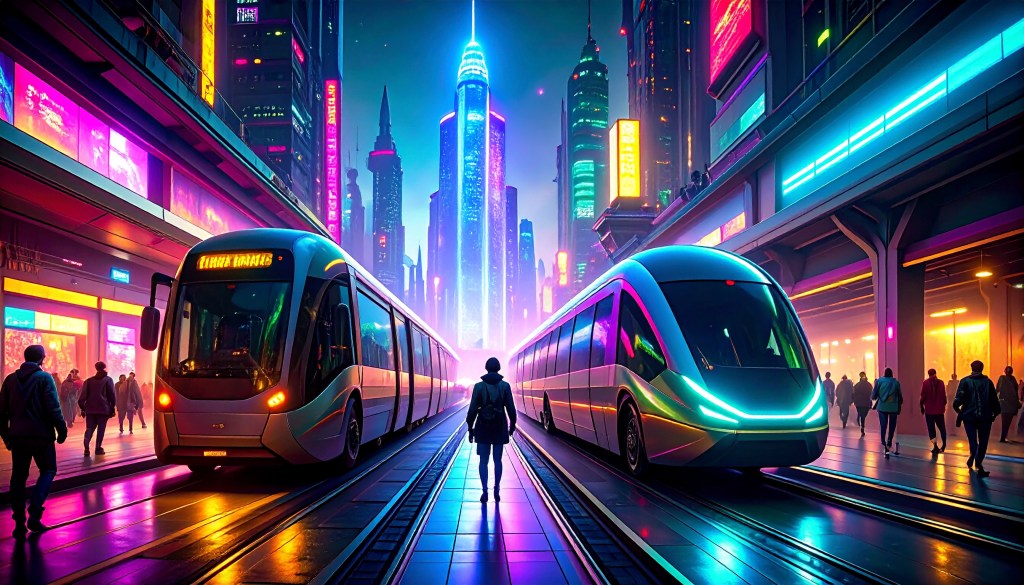
A journey through time: The evolution of public transport
Public transport’s story begins in 1662 Paris, where Blaise Pascal launched the “Carosses à Cinq Sous,” shared carriages charging a small fare History of Buses. This early innovation paved the way for collective mobility, but the 19th century brought major leaps: steam railways, horse-drawn trams, and later electric trams transformed cities. Boston opened the first publicly funded transit facility in 1897, followed by New York’s subway in 1904 Mass Transit History.
The 20th century saw electric buses and San Francisco’s cable cars become urban icons, while the Federal Transit Administration (FTA), established in 1964, boosted U.S. transit through funding and regulation FTA History. Buses gained prominence for their versatility, and by the late 20th century, high-speed rail and light rail systems solidified public transport’s role in urban connectivity.
The present landscape: A vital but stretched system
Today, public transport is a cornerstone of urban mobility, serving millions and driving economic growth. In the U.S., ridership climbed 17% from 2022 to 2023, reaching 6.9 billion trips, a strong recovery from pandemic disruptions FTA Trends. Globally, countries like Indonesia and Mexico rely heavily on transit, with ridership returning to pre-COVID levels WRI Climate.
The U.S. transit industry, valued at $79 billion, employs over 430,000 people and generates $5 in economic benefits for every $1 invested APTA Facts. Buses lead the way, with global passenger kilometres projected to hit 4.1 trillion by 2027 Statista Transit. Yet, challenges persist: funding shortages, aging infrastructure, and adapting to shifting travel patterns test the system’s capacity to keep cities moving.
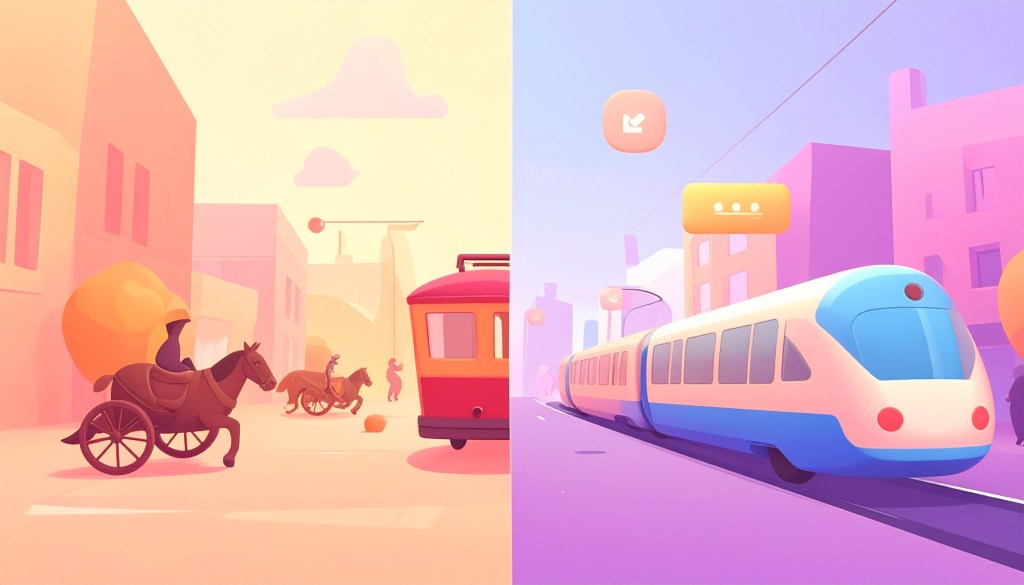
The future: A bold vision for connected cities
The future of public transport is intricately linked to the evolution of cities, promising smarter, more efficient systems that redefine urban mobility. Cities are increasingly adopting advanced vehicles, such as electric and hydrogen-powered buses, which offer greater reliability and lower operating costs. Innovations like in-route charging, already in use in Shenzhen’s fully electric bus fleet, ensure continuous service without lengthy downtime Sustainable America. High-speed rail and maglev trains are also gaining traction, with projects like Japan’s Chuo Shinkansen set to connect major cities at speeds exceeding 300 mph, shrinking travel times and boosting regional economies.
Technology is poised to transform transit further. Artificial intelligence (AI) is optimizing real-time traffic management, predictive maintenance, and personalized rider experiences, as seen in San Francisco’s mobility initiatives WEF Cities. Autonomous vehicles are a game-changer, with self-driving buses and shuttle pods being piloted in cities like Singapore, Dubai, and Las Vegas. These vehicles can operate 24/7, reduce labor costs, and adapt routes dynamically to avoid congestion or meet demand spikes. For instance, autonomous shuttles in urban cores could provide last-mile connectivity, linking commuters from train stations to offices or homes, while larger autonomous buses could serve high-traffic corridors with precision scheduling. Smart ticketing systems, integrated with mobile apps, streamline payments and provide real-time updates, enhancing user convenience.
CGP Gray describes best how autonomous driving = no more monkey’s driving cars is the best solution for seamless traffic:
Mobility-as-a-service (MaaS) platforms are also emerging, enabling seamless multimodal journeys—combining buses, trains, bikes, and rideshares—through a single app, as trialled in Helsinki. Futuristic concepts like hyperloop systems, which could whisk passengers at near-supersonic speeds in vacuum tubes, hold potential to revolutionize intercity travel, further integrating regional economies Future is Public Transport. Together, these advancements position public transport as a catalyst for vibrant, connected urban ecosystems.
Providing further insight into this shift, Episode 048 of the What is The Future for Cities? podcast features Professor Hussein Dia, who explores future urban mobility through transit-oriented cities, shared autonomous vehicles, and demand management strategies to create vibrant, people-centric urban environments.
Exploring this technological shift further, Episode 320 of the What is The Future for Cities? podcast features Glenn Drew, CEO of SQUIZZ.com, TOTECS, and Connected Built, who envisions ‘light cities’ where autonomous vehicles and AI-driven systems optimize energy flows and enhance connectivity, transforming urban experiences through collaborative digital ecosystems:
Pros and cons: Impacts and trade-offs
Public transport’s value to urban life is profound, offering a range of benefits that shape how cities function and thrive, but it also comes with significant challenges that can hinder its effectiveness. One of its most compelling advantages is its ability to alleviate traffic congestion, a persistent issue in growing urban centers. A single bus or train can carry dozens or even hundreds of passengers, drastically reducing the number of vehicles clogging city streets during rush hours. This not only makes roads more navigable but also shortens commute times for everyone, including those who drive. Affordability is another key strength, as public transport provides a cost-effective alternative to car ownership. For many, especially those on fixed or lower incomes, low-cost fares—often subsidized by public funds—make daily travel feasible without the burdens of fuel, maintenance, or parking costs.
Economically, transit systems are a powerhouse, creating thousands of direct jobs, from drivers and mechanics to planners and engineers, while also supporting indirect employment in related sectors like construction and technology. By connecting workers to job centres, transit fuels local economies, enabling businesses to access larger labour pools and consumers to reach shops and services. The health benefits are equally significant, as fewer cars on the road translate to reduced air pollution, lowering rates of respiratory issues and improving overall urban liveability. Public transport’s adaptability further enhances its appeal, allowing systems to adjust routes, add capacity, or introduce temporary services in response to events, construction, or changing travel patterns, providing a flexibility that private vehicles often lack (APTA Facts; Encyclopedia).
Beyond these practical benefits, public transport fosters a sense of community and shared experience that is harder to quantify but no less valuable. Riding a bus or train brings people from diverse backgrounds together in a shared space, creating opportunities for social interaction and reinforcing the interconnectedness of urban life. It also supports urban density, enabling cities to grow vertically with high-rise residential and commercial buildings rather than sprawling outward, which preserves green spaces and reduces infrastructure costs. For cities aiming to maintain their cultural and economic vibrancy, public transport is a critical enabler, ensuring that residents can access museums, theatres, restaurants, and other amenities without the hassle of driving or parking.
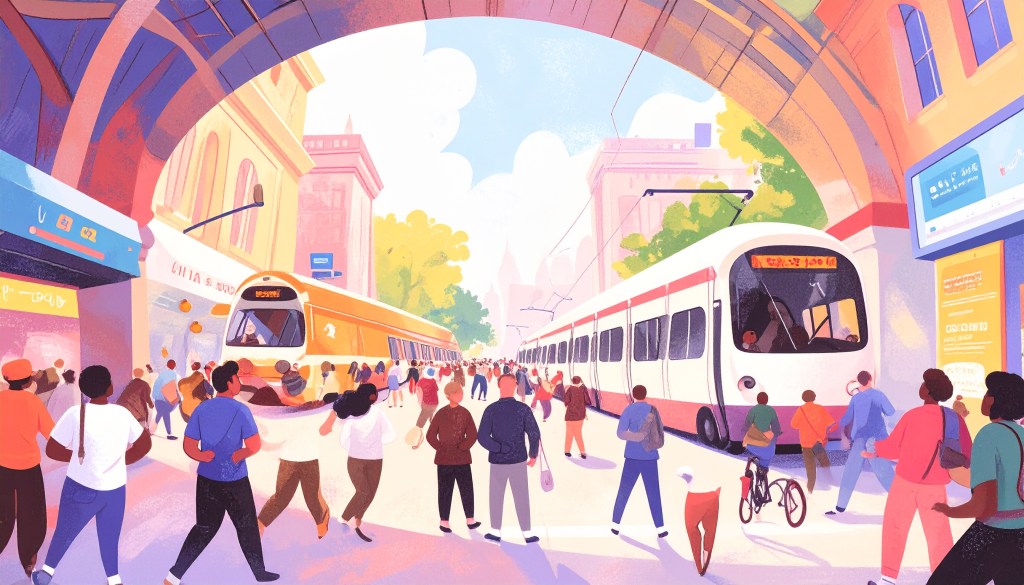
However, public transport is not without its drawbacks, and these challenges can significantly impact its appeal and effectiveness. Reliability is a frequent pain point, as delays, overcrowding, or unexpected service disruptions can frustrate riders, particularly during peak commuting hours or in adverse weather conditions. A late train or a packed bus can derail schedules, erode trust, and push users toward private vehicles. Coverage gaps are another major issue, as many rural areas, small towns, and even outer suburbs lack access to robust transit options. This leaves entire communities dependent on cars, limiting mobility for those who cannot drive or afford vehicles. The financial burden of public transport is substantial, requiring significant public investment to build, operate, and maintain systems. Major projects, like new subway lines or bus rapid transit corridors, often cost billions, sparking debates over budget priorities and sometimes leading to tax increases or service cuts elsewhere.
Safety concerns, whether real or perceived, also pose a challenge. Incidents of crime, vandalism, or harassment on buses, trains, or at stations can deter riders, particularly at night or in less frequented areas, undermining confidence in the system. For some trips, public transport can be slower than driving, especially for short or direct routes where transfers or waiting times add up, making it less appealing for time-sensitive travellers or those with complex travel needs. Additionally, the user experience can vary widely—while some systems offer clean, comfortable vehicles and stations, others suffer from outdated facilities, poor maintenance, or a lack of amenities like seating or clear signage, which can make transit feel less welcoming (Educba Transport; Gunnebo Challenges).
These drawbacks highlight the delicate balance cities must strike to make public transport a viable alternative to private vehicles. While the benefits are transformative, the challenges can create barriers to adoption, particularly in regions where car culture is deeply entrenched or where transit systems have been historically underfunded. Addressing these issues requires not only financial commitment but also a willingness to innovate and adapt to diverse user needs.
For a deeper investigation into the economic and social impacts of public transport investments, Episode 325R of the What is The Future for Cities? podcast summarizes a 2023 literature review by Paulo Anciaes and Jacob Albin Korem Alhassan, highlighting how high-speed rail boosts property values and regional economies while also addressing challenges like gentrification and community severance:
Challenges in building and enhancing systems
Developing and improving public transport systems faces several hurdles:
- Service Gaps: Extending reliable service to underserved areas strains resources APTA Facts.
- Funding Gaps: Transit depends on public budgets, which can be inconsistent, limiting growth GovPilot Transport.
- Outdated Infrastructure: Aging systems, like New York’s subway, need costly upgrades, with construction often disrupting cities Gunnebo Challenges.
- Urban Integration: Aligning transit with car-centric city layouts requires bold redesigns Centre for Cities.
- Technology Costs: Adopting AI, electric vehicles, and smart systems demands significant investment Redmon Trends.
- User Adoption: Convincing people to choose transit over cars means overcoming convenience barriers Liftango Strategies.
In Episode 326 of the What is The Future for Cities? podcast, Sarah Bridges, a Technical Director at Aurecon, discusses the transformative potential of public transport investments, emphasizing collaborative urban planning and long-term value creation to foster vibrant, diverse cities:
Strategies for a stronger transit future
To create efficient, user-friendly public transport, cities can adopt these strategies:
- Test Innovations: Pilot on-demand transit or mobility apps to meet evolving needs, as smart cities do WEF Cities.
- Increase Reliability: Boost service frequency on busy routes and prioritize transit with dedicated lanes, as Bogotá does with its bus rapid transit Gunnebo Blog.
- Enhance Connectivity: Integrate transit with biking and walking, like Paris’s bike-lane network, for seamless travel WRI Insights.
- Modernize Systems: Invest in electric vehicles, real-time tracking, and smart ticketing for smoother operations Sustainable America.
- Improve User Experience: Focus on safety, cleanliness, and amenities like Wi-Fi or heated stops, as seen in Boston Parcel Pending.
- Adopt Smart Tech: Use AI and autonomous vehicles to optimize routes, as piloted in Singapore WEF Cities.
- Engage Communities: Involve residents in planning to tailor services and build support Liftango Strategies.
- Secure Funding: Pursue public-private partnerships and federal grants, like FTA programs, to fund growth GovPilot Transport.
Echoing the importance of active transport, Episode 194 of the What is The Future for Cities? podcast features Oliver Stoltz, a strategic transport planner, who discusses retrofitting urban spaces for safer pedestrian and bike infrastructure, advocating for community engagement and data-driven strategies to drive behavior change:
Public transport has evolved from humble beginnings into a vital urban engine, with the potential to shape connected, thriving cities. Its future lies in smart technology, integrated urban planning, and overcoming challenges like funding and user adoption. By prioritizing reliability, connectivity, and innovation, we can build transit systems that make cities more vibrant and efficient.
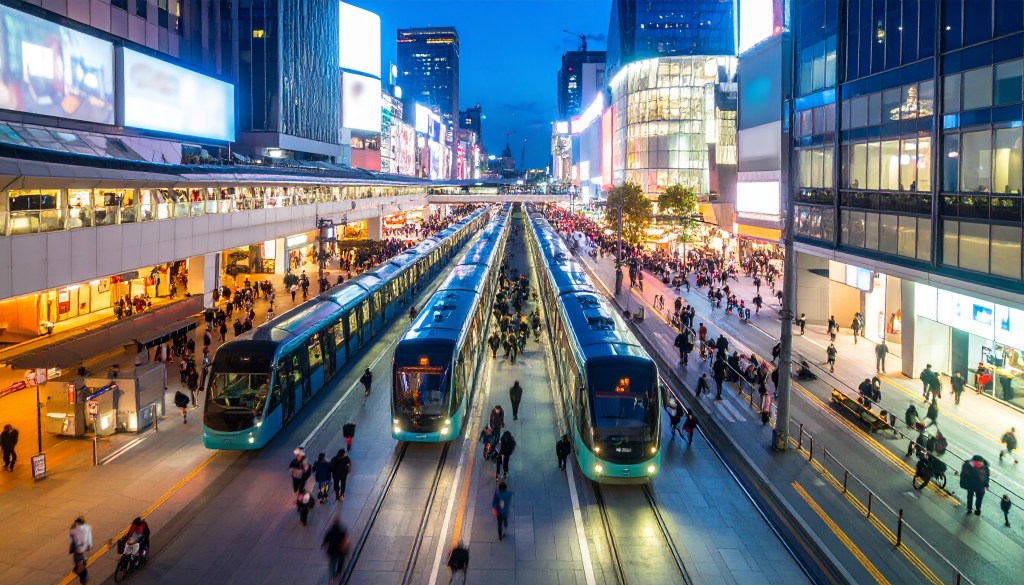
The time to act is now. As individuals, let’s choose transit over cars, advocate for better systems, and support policies that invest in connectivity. Planners and policymakers must commit to bold funding and innovative designs to keep cities moving. Together, we can make public transport the heartbeat of urban life, creating dynamic, accessible cities for all.
Let’s get on board and drive the future forward.
Ready to build a better tomorrow for our cities? I’d love to hear your thoughts, ideas, or even explore ways we can collaborate. Connect with me at info@fannimelles.com or find me on Twitter/X at @fannimelles—let’s make urban innovation a reality together!
 Vitruvian Solutions
Leave a comment