As we navigate the ever-evolving landscape of cities, at the What is The Future for Cities? (WTF4Cities) podcast, our friends and and collaborators offer a compelling platform for exploring the ideas, challenges, and innovations shaping urban life. Marking its fourth birthday with episodes 357 and 358, the podcast reflects on 101 episodes from this previous year of rich conversations while charting an ambitious path forward. For people, who are passionate about the intersection of human-centric design, urban resilience, and innovative planning, this milestone provides a chance to connect the podcast’s insights with broader discussions on creating balanced, thriving cities. This post draws from the podcast’s reflections and future plans, weaving them into themes that resonate with our focus on harmonious urban ecosystems inspired by timeless principles of proportion, strength, and utility.

A milestone of urban dialogue
The WTF4Cities podcast, now celebrating four years, has become a vital voice in urban studies, to blend classical wisdom with modern innovation. Episode 357, a reflective birthday special, looks back on episodes 255 to 356. The podcast’s core insight is that cities are for people. The podcast’s core belief is that cities are for people, prioritising human connection and agency over rigid designs. This focus on inclusive, participatory urbanism sets the stage for a deeper exploration of themes that resonate with anyone invested in building better cities.
Community and participation as cornerstones
A recurring theme is that cities thrive when shaped by their residents. Moving beyond superficial surveys, the podcast champions participatory design, where communities actively influence their environments. Tactical urbanism – think pop-up parks or temporary street closures – empowers residents to test ideas, fostering organic urban evolution. Public spaces, reimagined as hubs for social connection rather than just transit, are central to this vision. Plazas, community gardens, and vibrant streets become spaces where people connect, reinforcing the idea that cities are living, human-centric systems.
Antifragility and resilience in urban systems
Resilience is a dominant focus, going beyond green buildings to embrace antifragility – systems that strengthen under stress. Guests advocate for circular economies, moving away from the “take-make-waste” model towards regenerative approaches for food, water, and materials. The 15-minute city, a frequent topic, localises essential services, reducing carbon-intensive travel and building stronger neighbourhood ties. These ideas frame cities as adaptable ecosystems, capable of thriving amid climate change and resource constraints through innovative resource management and localised planning.
Technology as a tool, not a saviour
Technology remains a pivotal but debated topic. The “smart city” narrative has evolved from a focus on sensors, AI, and data platforms to deeper questions: Who controls the data? Who benefits from efficiency? The podcast cautions against tech deepening inequalities, urging solutions that serve community goals. For instance, data-driven traffic or energy systems must be transparent and inclusive. This shift – from tech as a cure-all to a carefully wielded tool – ensures cities remain human-focused, using innovation to enhance rather than dominate urban life.

Urban health as a foundation
Urban health emerges as a critical priority, extending beyond physical health to include mental well-being, social connection, and access to nature. Guests highlight biophilic design – green corridors, urban forests, or accessible parks – to combat loneliness, reduce stress, and encourage movement. The psychological impact of built environments, like calming green spaces or walkable streets, underscores the need for cities that uplift their residents. This holistic approach positions health as a cornerstone of urban success, integrating nature and community into daily life.
Rethinking governance and economics
Traditional city governance and GDP-driven models are increasingly seen as outdated. The podcast explores alternatives like well-being metrics, civic crowdfunding, and community land trusts, which distribute power and resources equitably. Data cooperatives, for example, empower communities to control their digital assets, ensuring tech serves the public good. This reimagining of cities as commons rather than corporations aligns with the push for inclusive, adaptive urban systems that prioritise people and the environment alongside economic vitality.
Outliers challenging assumptions
The podcast’s outliers spark fresh perspectives. A key tension pits technological optimism – AI-optimised grids or autonomous vehicles solving urban issues – against resource-focused pragmatism, which stresses managing finite materials. Another provocative idea is the “non-human” city, considering biodiversity, animal habitats, and microbial life. This view challenges human-centric design, urging cities to function as ecosystems where people are one part among many. From rewilded parks to waste systems that support urban biodiversity, these ideas push us to rethink urban planning holistically.
Looking forward
Episode 358 turns to the future, outlining plans that excite anyone interested in urban innovation. The podcast promises deeper explorations into Residuality Theory, which enhances antifragility by designing systems that repurpose waste and adapt dynamically. Topics like transportation, community engagement, and nature-based solutions in smart cities will continue, alongside high-level insights, such as a ministerial perspective on housing crises.
Two major projects stand out. The WTF Companion, an interactive tool, will allow users to query the podcast’s archive – for example, asking about public space trends or 15-minute city insights – making knowledge accessible to all. A forthcoming book will compile the podcast’s journey, offering a primer for newcomers and a reference for urban enthusiasts. These initiatives democratise urban ideas, inviting broader participation.
The podcast’s ecosystem will grow through partnerships, like its collaboration with the Smart Cities Council, and new avenues for listener support. This collaborative spirit positions WTF4Cities as more than a podcast – it’s a catalyst for real-world action, sparking connections between urban thinkers and doers.
Connecting to broader urban conversations
The WTF4Cities podcast offers a rich source of inspiration for anyone shaping urban futures. Its emphasis on integration – blending community goals with technology, economics with ecology, and health with design – reflects the complexity of modern cities. Key takeaways include:
- Community-driven design: Empower residents through participatory models like tactical urbanism to create vibrant, inclusive spaces.
- Resilient systems: Adopt circular economies and 15-minute cities to build antifragile urban environments.
- Balanced technology: Use smart city tools to serve people, ensuring equity and transparency.
- Holistic health: Prioritise mental and social well-being through biophilic design and accessible public spaces.
- Innovative governance: Embrace equitable models like community land trusts to reimagine cities as commons.
These insights connect to ongoing urban debates, from addressing housing shortages to integrating nature into city planning. The podcast’s outliers, like the non-human city, challenge us to think beyond traditional urbanism, fostering cities that harmonise human and ecological needs.
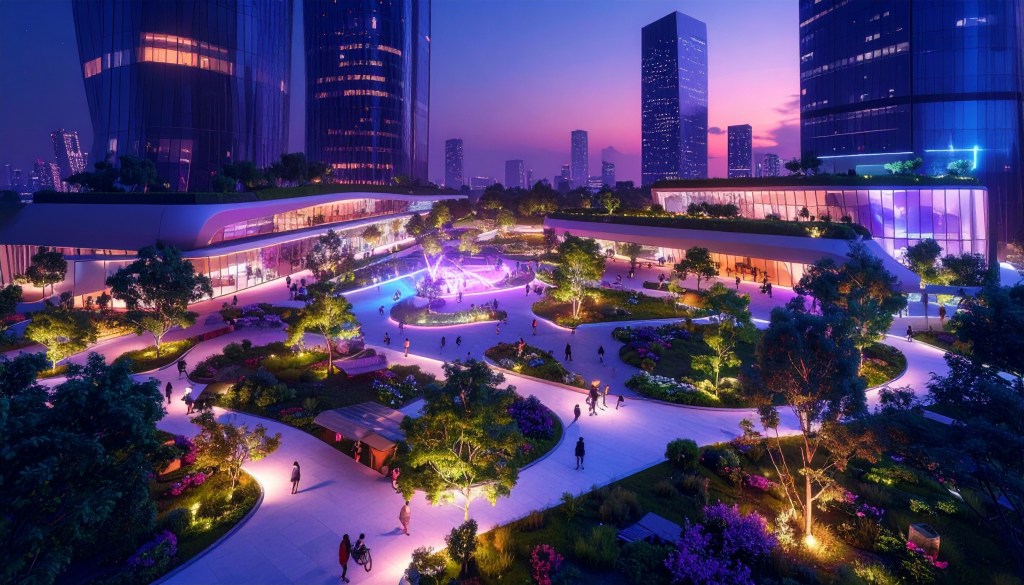
WTF4Cities is more than a conversation – it’s a call to build better cities together. Its reflections and plans remind us that urban futures are not fixed but shaped by collective effort. Whether you’re a planner, resident, or urban enthusiast, you can engage by listening to episodes 357 and 358, sharing ideas, or applying these insights to local projects.
Cities are evolving processes, and every voice matters.
As we congratulate to the podcast on its progress, go and explore the full episodes on the WTF4Cities podcast and join the dialogue.
What ideas from these conversations spark your vision for future cities?
Share your thoughts below or connect with others to drive urban innovation forward.
Next week, we are learning about antifragile systems and a potential steps to establish them!
Ready to build a better tomorrow for our cities? I’d love to hear your thoughts, ideas, or even explore ways we can collaborate. Connect with me at info@fannimelles.com or find me on Twitter/X at @fannimelles – let’s make urban innovation a reality together!
 Vitruvian Solutions
Leave a comment