The urban energy transition is transforming how cities generate, distribute, and consume energy, ensuring they remain resilient and vibrant in a rapidly changing world. With over half the global population living in urban areas, cities account for a significant share of energy use and emissions, making them central to addressing climate challenges. This blog post explores the historical evolution of urban energy systems, examines their current state, and envisions future innovations. It highlights why energy is crucial for cities and stresses the need for a well-managed transition, with a focus on affordability, to create thriving urban futures.
Historical evolution of urban energy systems
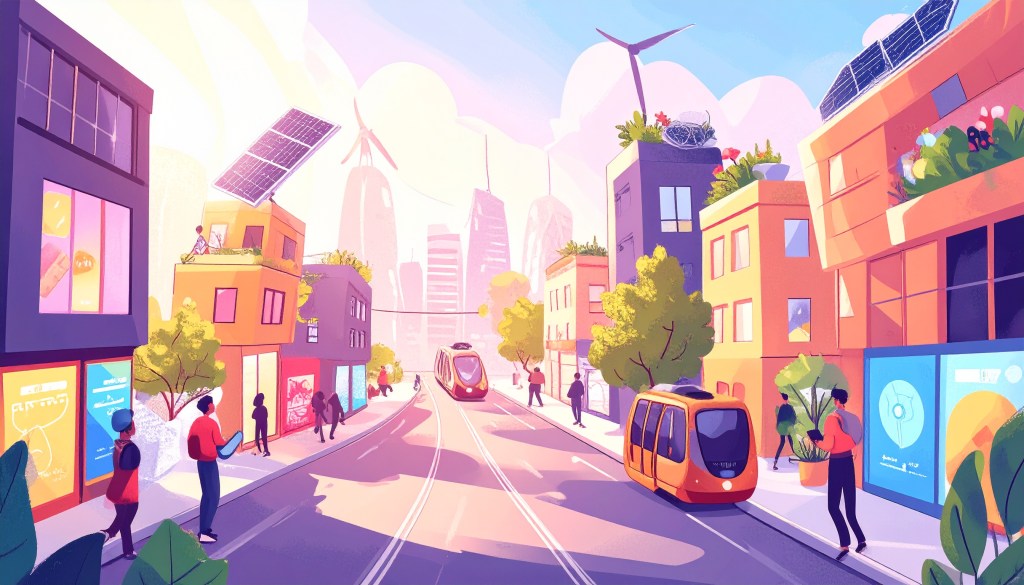
Urban energy systems have transformed over centuries, shaped by technological breakthroughs and societal needs. Early settlements relied on biomass, such as wood and animal dung, for heating and cooking, with energy needs tied to survival. By the 15th century, cities like London turned to coal to overcome resource scarcity, a shift that accelerated during the Industrial Revolution. Coal powered factories and urban growth but caused severe air pollution. The 19th century introduced gas lighting, followed by electricity, which enabled modern infrastructure like streetlights and trams. In the mid-20th century, nuclear power emerged, offering low-carbon energy for some cities. Each transition increased efficiency but also energy consumption per capita, driven by resource constraints and innovation. These historical shifts highlight the need for strategic planning in today’s transition to cleaner energy systems.
The transition from biomass to coal, gas, electricity, and nuclear power reflects a series of technological and societal shifts, a topic explored in depth by Jon Mills in his discussion of urban evolution and transformative forces in episode 336 on the What is The Future for Cities? podcast:
Current urban energy systems
Cities currently consume about 75% of global primary energy and contribute 50-60% of greenhouse gas emissions, rising to 80% when indirect emissions are included. In 2012, global energy supply was 81.3% fossil fuels, 9.7% nuclear, and 9% renewables, reflecting heavy reliance on coal, oil, and gas. This contributes to air pollution, resource depletion, and economic volatility due to fuel price fluctuations.
However, cities are embracing cleaner solutions. Burlington, Vermont, operates on 100% renewable energy, while Adelaide, Australia, powers municipal operations with solar and wind. Nuclear power provides stable, low-carbon electricity in countries like France and Japan, though safety and cost concerns limit its growth in some regions. Compact urban designs and efficient public transport systems reduce energy demand, but rapid urbanisation in developing countries, where energy demand grows by 7% annually, strains aging infrastructure.
Initiatives like UN-Habitat’s energy-efficient building projects in East Africa and UNEP’s District Energy in Cities Initiative promote low-carbon solutions. Waste-to-energy systems, such as those in Kajiado County, Kenya, are gaining traction, but scaling these innovations requires significant investment and coordination.
The complexity of current urban energy systems, reliant on fossil fuels but increasingly adopting renewables, is further examined in a research summary exploring the interconnected nature of urban energy futures (335R on WTF4Cities? podcast):
The role of data and digital solutions
Data and digital technologies are transforming urban energy systems. Improved data access enables cities to craft targeted policies and align urban planning with energy needs. Smart grids and IoT devices optimise infrastructure in dense urban environments, reducing waste and enhancing efficiency. For example, smart metering allows real-time energy monitoring, helping households and businesses cut costs and emissions. Cities can leverage their scale to deploy these technologies cost-effectively, creating smarter, more integrated energy systems .
Upcoming urban energy transitions
Global commitments are accelerating the shift to cleaner energy, with cities at the forefront. The UAE Consensus at COP28, agreed in December 2023, calls for tripling renewable energy capacity and doubling energy efficiency by 2030. Cities, accounting for over 60% of public investment in transport, are ideal for large-scale renewable projects, such as solar farms or offshore wind. Nuclear power is also seeing renewed interest, with policies supporting safer, more efficient reactors to complement renewables. The International Energy Agency (IEA) projects that smart grids could reduce renewable energy curtailment (wasted energy due to grid limitations) by over 25% and cut operational costs by up to 30% by 2030.
Grid modernisation is a critical focus, requiring an estimated 80 million km of new or upgraded power lines by 2040 to integrate renewables and nuclear effectively. This comes with a hefty price tag: global investment in energy efficiency must triple to USD 750 billion by 2030 to meet climate goals. Cities are also exploring innovative financing models, such as green bonds and public-private partnerships, to fund these upgrades. For example, Singapore’s Green Plan 2030 includes investments in smart grids and energy storage to enhance resilience.
Policy frameworks are evolving to support the transition. National governments are implementing stable regulations, such as feed-in tariffs for renewables and incentives for nuclear safety upgrades, to encourage investment. International collaboration, like the G7’s clean energy initiatives, fosters knowledge-sharing and technology transfer. At the local level, cities are setting ambitious targets – Copenhagen aims for carbon neutrality by 2025 through district heating and wind power.
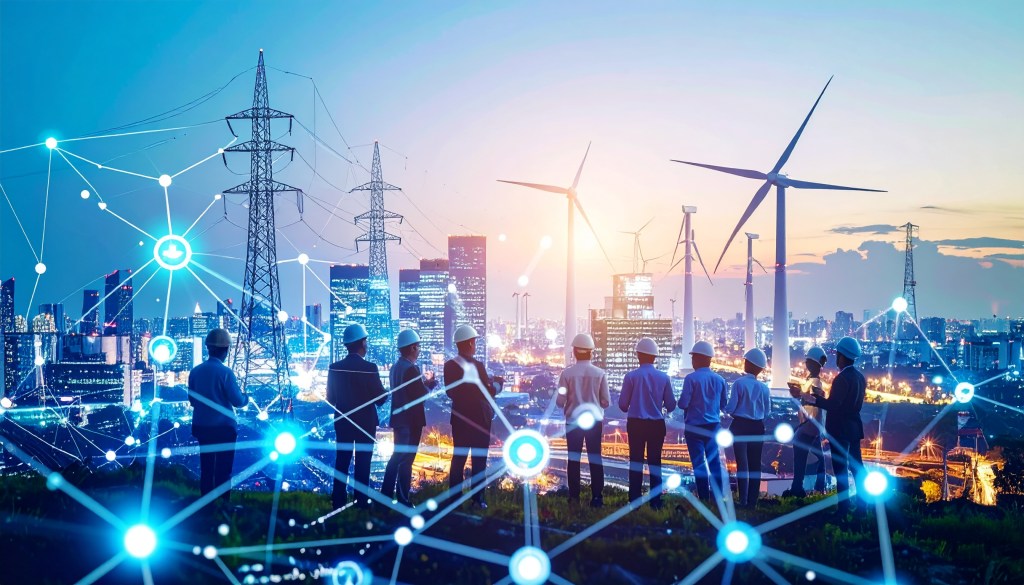
Community-driven projects are gaining momentum, particularly in developing regions. In India, solar cooperatives in urban slums provide affordable electricity, reducing reliance on costly fossil fuels. Similarly, small-scale nuclear projects, like those piloted in Canada, aim to power remote urban communities reliably. These initiatives highlight the need for tailored solutions that balance cost, reliability, and environmental impact, ensuring cities remain adaptable to future challenges.
However, challenges persist. High upfront costs for grid upgrades and new technologies can strain municipal budgets, particularly in low-income regions. Supply chain constraints for critical materials, like lithium for batteries or uranium for nuclear, could delay progress. Additionally, integrating intermittent renewables and baseload nuclear into aging grids requires advanced planning to avoid disruptions. Cities must navigate these hurdles through strategic investments and cross-sector collaboration to achieve resilient energy systems.
Nuclear power’s role in providing stable, low-carbon energy for cities is gaining attention, as discussed by Kirsty Braybon in her exploration of nuclear energy’s regulatory and economic implications in episode 332 on the What is The Future for Cities? podcast:
Potential future urban energy systems
Future urban energy systems will likely be decentralised, smart, and integrated, combining diverse sources to meet urban needs. Key innovations include:
- Renewables: Solar, wind, and geothermal will dominate, with improved efficiency and storage making them competitive. Cities like Paris are integrating solar into buildings.
- Nuclear power: Small modular reactors (SMRs) offer reliable, low-carbon energy. China’s HTR-PM reactor may see commercial use by the mid-2030s.
- Smart grids and microgrids: Digital systems enhance efficiency and resilience, supporting local energy generation.
- Electrification and storage: Electric vehicles (EVs) and heat pumps, backed by battery and hydrogen storage, reduce fossil fuel use. Dubai’s EV charging network supports eco-friendly travel.
- Decentralised systems: Community solar and mini-grids improve security and access, especially in developing regions.
Developing countries face unique challenges, requiring affordable solutions like off-grid renewables and small-scale nuclear.
The transformative potential of emerging energy technologies, including nuclear and renewables, is echoed in Adam Dorr’s discussion of technological advancements driving urban futures (on episode 222 on the WTF4Cities? podcast). The potential for nuclear and other low-carbon technologies to shape future urban energy systems is further discussed in a research summary on achieving a carbon-free energy future (331R on the WTF4Cities? Podcast):
Why energy is crucial for cities
Energy is the lifeblood of urban life, underpinning every aspect of city functionality and growth. Research from the Energy for Growth Hub underscores this, showing a strong correlation between per capita electricity consumption and income, with high-income countries using 77 times more electricity than low-income ones, illustrating that abundant, affordable energy is essential for economic development and urban resilience. Cities consume over two-thirds of global energy, powering homes, businesses, transport, and industry. Urban transport alone emits 4 billion tonnes of CO2 annually, 40% of the transport sector’s total, highlighting the sector’s environmental impact.
Economically, energy drives productivity. Industries rely on consistent power for manufacturing, while businesses depend on electricity for operations and digital connectivity. In 2024, urban economies contributed over 80% of global GDP, a figure tied to reliable energy access. Energy disruptions, like blackouts, can cost cities billions – a 2019 outage in New York City led to USD 100 million in losses in a single day.
Socially, energy shapes quality of life. Affordable electricity powers homes, schools, and hospitals, enabling education, healthcare, and comfort. In developing cities, access to clean energy reduces reliance on polluting fuels like kerosene, improving health outcomes. For example, solar lighting in Nairobi’s informal settlements has extended study hours for students and reduced respiratory illnesses.
Energy also supports urban connectivity. Digital infrastructure, from 5G networks to data centres, relies on stable power, with global data centre energy demand projected to double by 2030. Clean energy systems enhance resilience, protecting cities from supply shocks and price volatility. Without reliable, clean energy, cities risk economic stagnation, reduced livability, and vulnerability to climate and technological pressures, underscoring the urgency of the energy transition.
The correlation between energy access and economic growth is also highlighted by Andrew Vass in episode 314 on the WTF4Cities? podcast, who discusses nuclear energy’s role in supporting long-term urban prosperity:
Managing the transition
A balanced transition requires addressing affordability, environmental impact, reliability, and social equity:
- Affordability: Subsidies, like the US Inflation Reduction Act’s tax credits for solar and EVs, reduce costs for residents.
- Environmental impact: Low-carbon sources and efficiency measures, like the EU’s Energy Performance of Buildings Directive, cut emissions.
- Reliability: Diversifying sources, including renewables and nuclear, ensures stable supply.
- Social equity: Programs targeting underserved communities prevent disparities in access.
Public-private partnerships and community initiatives, like solar cooperatives, drive progress. Urban planning, as in Winnipeg’s compact neighbourhoods, reduces demand. Poor planning risks shortages or cost spikes, necessitating collaboration across governments, businesses, and communities.
The urban energy transition is a collective challenge and opportunity. Cities, residents, businesses, and policymakers must act now to shape resilient, vibrant urban futures. Individuals can adopt energy-efficient practices, like using smart appliances or supporting community solar projects. Businesses can invest in clean energy and advocate for supportive policies. Policymakers must prioritise bold investments in renewables, nuclear, and grid upgrades, ensuring affordability through subsidies and programs. Engage with local initiatives, attend city planning forums, or join advocacy groups to push for cleaner, more resilient energy systems.
Together, we can power cities that thrive for generations – start today by exploring your city’s energy plans and taking one step towards a cleaner future.
Next week, we will explore how to involve the next generation in the built environment and the future of cities which they will inherit!
Ready to build a better tomorrow for our cities? I’d love to hear your thoughts, ideas, or even explore ways we can collaborate. Connect with me at info@fannimelles.com or find me on Twitter/X at @fannimelles – let’s make urban innovation a reality together!
 Vitruvian Solutions
Leave a comment