
With more than half the world’s population now living in cities, how we design and use public spaces is more important than ever. Placemaking can be a dynamic way to create lively, functional, and community-driven urban environments. From turning empty lots into bustling hubs to reimagining streets as pedestrian-friendly zones, placemaking is transforming how we experience cities. This blog post explores what placemaking is, its different forms, its benefits and criticisms, and its potential to shape the future of urban living.

What is placemaking?
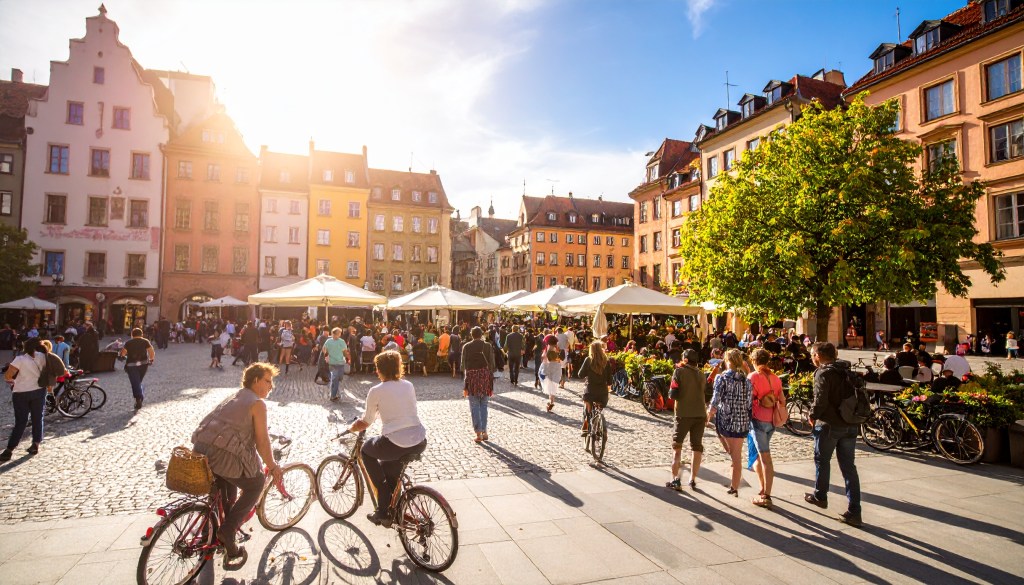
Placemaking is about designing and managing public spaces—parks, plazas, or streets—to make them vibrant and reflective of the people who use them. The Project for Public Spaces (PPS) describes it as “a participatory process for shaping public space that harnesses the ideas and assets of the people who use it.” It involves local communities to ensure spaces meet their needs, fostering connection and ownership.
The concept stems from the 1960s, inspired by urban thinkers like Jane Jacobs, who championed mixed-use neighbourhoods in The Death and Life of Great American Cities (1961), and William H. Whyte, who studied social interaction in public spaces. Now a global movement, placemaking is evident in projects like Bogotá’s Ciclovía, where streets host cycling and community events, or Houston’s Discovery Green, a park for concerts and markets.
As both a philosophy and process, placemaking transforms underused areas into gathering spots through additions like benches or events like markets. It prioritises pedestrian-friendly designs to build local habits and strengthen community bonds.
In a discussion on the What is The Future for Cities? podcast, urban planner James Mant describes placemaking as encompassing everything about a place, from streetscapes to how buildings interact with the public realm, highlighting its role in creating vibrant, community-driven spaces:
The many forms of placemaking
Placemaking takes different forms depending on its goals, making it adaptable but sometimes debated. Key types include:
- Strategic placemaking: Targets economic growth by attracting talent and jobs, often in dense urban centres over long timescales.
- Creative placemaking: Uses arts to revitalise areas, addressing social and economic issues, as seen in murals transforming alleys.
- Tactical placemaking: Features temporary, low-cost changes, like painting crosswalks or hosting pop-up events, to test ideas.
This versatility suits varied needs, from economic boosts to cultural expression, but critics argue the term’s vagueness makes it a buzzword for urban renewal.
A systematic literature review by Akbar and Edelenbos, discussed on the What is The Future for Cities? podcast, identifies bottom-up, top-down, and collaborative approaches to placemaking, emphasizing the critical role of community-driven initiatives in shaping vibrant urban spaces:
Why placemaking matters: Benefits for cities
Placemaking delivers wide-ranging benefits, enhancing urban vitality. Here’s how it impacts cities:
Economic growth
Vibrant public spaces draw businesses, tourists, and residents, fuelling economic activity. PPS notes that lively plazas and walkable streets increase property values, reduce vacancies, and boost commerce. In Sanford, NC, placemaking leverages railroad heritage to attract tourists, supporting local businesses.
Social connection
Placemaking fosters engagement and strengthens community ties. Projects like Lancaster’s South Duke Street, where residents shaped pedestrian and bike-friendly corridors, show how collaboration builds pride. These spaces host festivals and casual meetups, enhancing social bonds.
Health and wellbeing
Walkable streets and recreational areas promote physical activity, improving health. Attractive environments reduce stress, supporting mental wellbeing.
These benefits make placemaking a powerful tool for creating dynamic, liveable cities.
Bruce Marshall, in an interview on the What is The Future for Cities? podcast, highlights how placemaking brings out the “magic” of a place by fostering organic community interactions, such as those seen in Tokyo’s Yoyogi Park, where diverse groups create vibrant spaces without formal programming.
Criticisms and controversies
Placemaking faces scrutiny for potential downsides if poorly executed. Key criticisms include:
- Gentrification: Improvements can raise property values, displacing residents. Revitalised spaces attract wealthier newcomers, pushing out locals.
- Superficiality: Some projects prioritise aesthetics—like benches or art—over deeper needs like housing or jobs, dubbed “placewashing”.
- Lack of authenticity: External visions from developers or officials can disconnect spaces from local culture, undermining community relevance.
- Commercialisation: Prioritising profit can turn public spaces into commercial zones, eroding their community focus.
These issues highlight the need for community-driven approaches to ensure placemaking serves local needs.
John Friedmann’s 2010 article, explored on the What is The Future for Cities? podcast, describes the erasure of places through displacement as a “violent act” that severs social networks, as seen in Beijing’s Hutong demolitions, highlighting the risks of top-down placemaking:
Opportunities for urban transformation
Placemaking offers exciting possibilities to reimagine cities. Key opportunities include:
- Attracting talent: Vibrant spaces draw skilled workers, boosting economies. Cities using placemaking become hubs for the creative class.
- Celebrating culture: Placemaking showcases local history, enhancing identity. Hong Kong’s creative projects highlight cultural heritage, drawing global interest.
- Empowering communities: Involving residents fosters ownership. Design Wisconsin’s charrettes show how public input creates meaningful spaces.
- Innovation hubs: Placemaking fosters collaboration, driving creativity. Toronto’s waterfront blends technology and public spaces.
These opportunities position placemaking as a driver of urban renewal, if executed thoughtfully.
On the What is The Future for Cities? podcast, Gilbert Rochecouste emphasizes that placemaking is about reconnecting people to place through participation, fostering ownership and vibrant communities, as seen in initiatives like community-run co-ops:
Challenges to overcome
To succeed, placemaking must address several hurdles:
- Community engagement: Ensuring broad participation is tough, risking projects that miss local needs.
- Funding: Significant investment is needed, and securing funds is challenging. Creative financing, like partnerships, is often required.
- Long-term viability: Temporary projects may lack lasting impact, needing ongoing resources.
- Gentrification risks: Rising property values can displace residents, requiring careful planning.
- Coordination: Aligning government, businesses, and residents demands strong collaboration.
Tackling these challenges requires strategic planning and community focus.

The future of placemaking: A vision for cities
As urbanisation accelerates, placemaking will shape city futures. Key trends include:
- Technology integration: Smart tools, like sensors or apps, will enhance placemaking. Toronto’s waterfront uses technology to improve public spaces.
- Community-led design: Residents will drive projects, ensuring spaces reflect local needs, as seen in global community initiatives.
- Economic hubs: Placemaking will create vibrant centres, attracting talent and tourism, as in Hong Kong’s cultural projects.
- Health focus: Spaces promoting activity and wellbeing will gain priority, supporting healthier lifestyles.
A 2012 PPS report for UN-HABITAT, Placemaking and the Future of Cities, highlights its role in urban development. By leveraging technology and community input, placemaking can create thriving, dynamic cities.
[Editorial note: Toronto waterfronts, a.k.a SideWalk Labs, can be a good and a bad example, as this project was terminated due to differences between government and business interests – so the collaboration piece is even more important!]
The What is The Future for Cities? podcast discusses a 2024 World Economic Forum report that showcases how cities like Singapore use smart technologies in placemaking to enhance urban spaces, aligning with future trends in creating vibrant, people-centred environments:
Placemaking is a powerful movement to reimagine urban life. From driving economic growth to fostering community pride, its benefits are clear. Yet, it must navigate criticisms like gentrification and ensure community relevance. As we shape future cities, placemaking offers a blueprint for vibrant, people-centred spaces.
Get involved in local projects—attend workshops or advocate for community spaces.
Together, we can build cities that thrive for all.
Next week, we will explore urban transformations and their unintended consequences, that include urban energy transitions, production instead of consumption, and more!
Ready to build a better tomorrow for our cities? I’d love to hear your thoughts, ideas, or even explore ways we can collaborate. Connect with me at info@fannimelles.com or find me on Twitter/X at @fannimelles – let’s make urban innovation a reality together!
 Vitruvian Solutions
Leave a comment