Cities don’t just grow. They’re governed, shaped, and constrained by rules—rules about what can be built where, how people move, how much noise is acceptable, who gets to live where, and under what conditions. These are urban regulations, and they are among the most powerful forces in the urban environment.
When designed well, urban regulations produce clean air, safer streets, inclusive neighbourhoods, and climate resilience. But when outdated, misaligned, or overreaching, they can also trigger housing crises, gentrification, inequality, and even public protest.
In short: urban regulations are both solution and source of urban problems.
This blog explores how regulations affect cities—both positively and negatively—and why understanding their double-edged impact is critical for creating cities that are fair, sustainable, and future-ready.

Understanding urban regulation
Urban regulation encompasses the policies and standards that govern city planning and management. As outlined by Britannica, it involves systematic processes—goal-setting, data collection, forecasting, and public consultation—to guide new developments and revitalize existing areas.
Key areas include:
- Zoning Laws: Designate land for residential, commercial, or industrial use.
- Building Codes: Ensure safety and quality in construction.
- Environmental Regulations: Protect resources and reduce pollution.
- Transportation Policies: Manage traffic and mobility.
- Public Services: Provide infrastructure, education, and healthcare.
These regulations, often supported by tools like Geographic Information Systems (GIS), aim for sustainable development, balancing economic growth, social equity, and environmental health. However, their implementation can yield both transformative benefits and significant challenges, shaping cities in profound ways.
Positive effects of urban regulation
Urban regulations are powerful tools for fostering orderly, sustainable, and inclusive cities. Their positive impacts span economic, social, environmental, and safety domains, creating ripple effects that enhance urban life.
Economic growth and investment
Regulations create predictable frameworks that attract businesses and investors. Zoning laws, for instance, designate commercial districts, fostering vibrant economic hubs. Cities like Singapore have leveraged strict land-use regulations to create efficient business districts, driving GDP growth. According to McKinsey, well-regulated cities can boost economic output by streamlining infrastructure and reducing uncertainty for developers. By ensuring reliable utilities and transport networks, regulations make cities competitive, creating jobs and spurring innovation.

Environmental sustainability
Environmental regulations, such as low-emission zones, reduce pollution and promote green urban spaces. London’s Ultra-Low Emission Zone (ULE HydroZone), for example, has cut nitrogen dioxide levels by 44% in some areas, improving air quality The Loop. Green building codes encourage energy-efficient construction, lowering carbon footprints. These measures align with global climate goals, making cities more resilient to environmental challenges and enhancing their appeal as sustainable destinations.
Public health and safety
Building codes ensure structures withstand natural disasters and meet safety standards, protecting residents. In earthquake-prone Japan, stringent codes have reduced casualties during seismic events. Environmental regulations also safeguard public health by reducing exposure to pollutants. As noted in PMC, clean air policies lower respiratory disease rates, improving quality of life and reducing healthcare costs.
Social equity and inclusion
Regulations like inclusionary zoning mandate affordable housing, ensuring diverse communities. New Orleans’ zoning laws, for instance, require developers to include low-income units, countering economic segregation Steadily. Public service regulations guarantee access to education and healthcare, fostering equitable opportunities. These policies create cohesive urban societies, reducing inequality and promoting social stability.
These positive effects demonstrate how regulations can transform cities into thriving, sustainable, and inclusive spaces, setting the stage for long-term prosperity.
323R episode on the What is The Future for Cities? podcast investigates how long-term planning can influence the urban area with its intended and unintended consequences:
Negative effects of urban regulation
Despite their benefits, urban regulations can produce unintended consequences that strain economies, disrupt communities, and fuel discontent. These negative impacts often drive backlash, challenging the legitimacy and effectiveness of regulatory frameworks.
Economic burdens and affordability crises
Compliance with regulations increases costs for developers, which are often passed on to residents and businesses. Stringent building codes, while ensuring safety, raise construction expenses, contributing to housing shortages. In San Francisco, restrictive zoning and permitting processes have driven median home prices above $1.4 million, pricing out middle- and low-income families. Similarly, environmental regulations like ULEZ impose fees on drivers, disproportionately affecting low-income households, as highlighted by The Loop. These costs can stifle economic activity and exacerbate affordability crises.
Fin Moorhouse in the What is The Future for Cities? podcast’s 324th episode described an example of such affordability consequence of urban regulations:
Gentrification and displacement
Urban renewal regulations, intended to revitalize neighborhoods, often lead to gentrification. By upgrading infrastructure or rezoning areas for upscale development, cities attract wealthier residents, displacing lower-income communities. In Malaysia, the Urban Renewal Act has been criticized for enabling developers to override resident objections, accelerating displacement MalaysiaNow. Gentrification erodes cultural heritage and social cohesion, creating fragmented urban landscapes.
Bureaucratic delays and inefficiencies
Complex regulations can slow down projects, increasing costs and frustrating stakeholders. Permitting processes in many cities, such as New York, can take months or years, delaying housing and infrastructure development NYC Planning. These inefficiencies deter investment and hinder cities’ ability to respond to growth or crises, as noted in Urban Rules and Legislation – Habitat III.
Social and political tension
Regulations perceived as inequitable or top-down spark opposition, fueling social unrest and political polarization. ULEZ in London, for instance, has been criticized as elitist, prompting protests from drivers and populist groups. In the US, smart growth policies aimed at curbing sprawl have faced resistance from suburban communities fearing loss of local identity PMC. Misinformation, as discussed in The Loop, exacerbates distrust, linking regulations to broader grievances like economic inequality.
These negative effects highlight the challenges of implementing regulations without alienating stakeholders or undermining urban vitality.
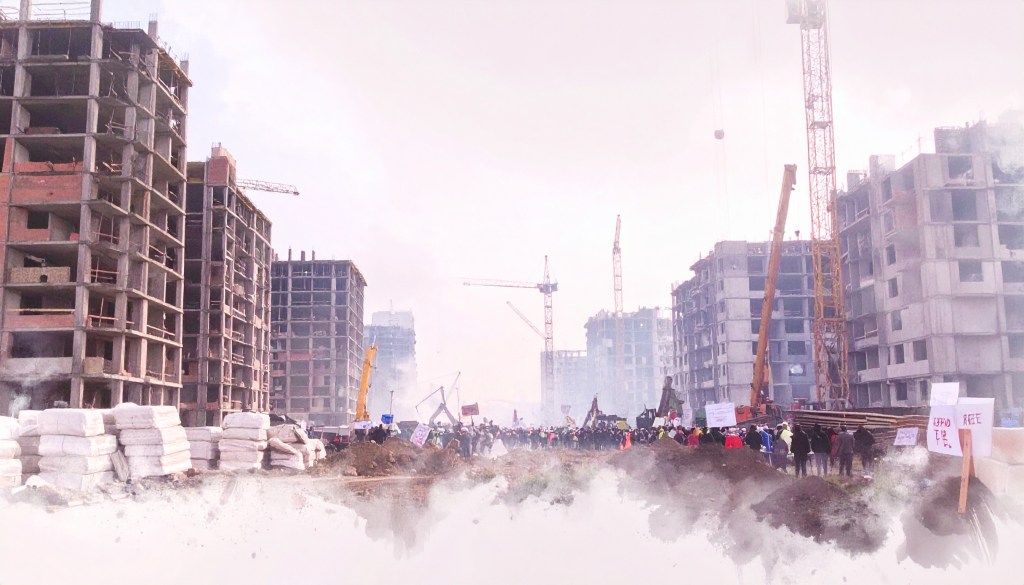
Regulations are not neutral
One of the most important truths about regulation is this: rules always benefit some and burden others. And that distribution shapes how people experience—and react to—them.
For example:
- Tight zoning benefits existing homeowners (by stabilising property values), but hurts renters and newcomers (by limiting supply).
- Strict building codes protect safety, but raise construction costs.
- Environmental regulations improve public health, but may increase living costs or restrict car use.
- Licensing rules uphold standards, but can block informal or cultural economic activity.
Cities must ask: Who is gaining, who is losing, and what’s the net impact?
Balancing the impacts: strategies to mitigate negative effects
Looking ahead, urban regulations must evolve to address population growth, climate change, and technological advancements. Flexible policies, as emphasized by Urbantransitions, will be crucial for resilience. Technology, including AI and IoT, will enable data-driven planning, as noted by Britannica. Continuous community engagement and global collaboration, as advocated by Policy Center, will ensure regulations remain inclusive and effective.
Testing regulations to optimize impact
To ensure regulations achieve desired outcomes, cities must test them rigorously. Try before you regulate citywide. Barcelona’s superblocks, Helsinki’s Agile Piloting program, and Singapore’s Urban Innovation Labs all allow experimentation. This builds public trust and helps adjust policies early. Methods include:
- Data Monitoring: Regular evaluation, using GIS and AI, tracks outcomes and informs adjustments McKinsey.
- Public Feedback: Surveys and visioning sessions, as used by NYC Planning, refine policies based on community input.
- Urban Service Areas (USAs): Testing land-use policies in defined zones, as per Sustainable City Code, minimizes unintended impacts.
- Pilot Programs: Temporary implementations, like traffic management trials, assess feasibility Geotab.
Carina Gormley from the Centre for Public Impact described the need for decision-makers to be allowed to fail, to test, to experiment before something gets built into the environment in episode 298 on the What is The Future for Cities? podcast:
Streamlined processes
Simplifying permitting and compliance procedures reduces delays and costs. Digital platforms, as advocated by McKinsey, can automate approvals, enhancing efficiency. Pilot programs, such as congestion pricing trials Geotab, allow cities to test regulations and adjust based on outcomes.
Cities like New York and London have cut dozens of outdated rules in recent years. The goal isn’t deregulation, but clarity and consistency, especially for small actors.
Community engagement and transparency
Deliberative democracy, involving open debates and workshops, ensures regulations reflect community needs. Studies from PMC show that inclusive processes reduce opposition by addressing concerns transparently. Cities like Amsterdam have used public forums to refine zoning policies, building trust and consensus.
People resist regulations when they feel surprised, targeted, or ignored. Co-design, open data, and transparent evaluations create shared ownership and legitimacy.
Sarah Bridges from Aurecon described the design by democracy approach involving the citizens in the design and planning process in episode 326 on the What is The Future for Cities? podcast:
Make rules flexible and responsive
Dynamic pricing for roads or parking. Temporary zoning overlays. Sunset clauses. Regulations shouldn’t be written in stone—they should adapt as cities change.
These strategies, tailored to local contexts, can amplify positive outcomes while addressing negative consequences, fostering broad acceptance.

Urban regulations are double-edged swords, driving sustainability, safety, and growth while risking economic strain, gentrification, and social tension. By understanding their positive and negative effects—economic vitality versus affordability crises, environmental gains versus political backlash—cities can design policies that maximize benefits and minimize harm. Strategies like inclusionary zoning, community engagement, and streamlined processes, paired with rigorous testing, offer a path to balanced urban development. As cities face a dynamic future, adaptive, and collaborative regulations will be key to creating urban areas that thrive for all residents, transforming challenges into opportunities for progress.
A city’s rules are never just rules. They are values, made visible. Let’s write them wisely.
Ready to build a better tomorrow for our cities? I’d love to hear your thoughts, ideas, or even explore ways we can collaborate. Connect with me at info@fannimelles.com or find me on Twitter/X at @fannimelles—let’s make urban innovation a reality together!
 Vitruvian Solutions
Leave a comment