
Who should decide what our future cities look like? We, as adults, often fall into the habit of planning for a future without considering the voices of those who will live in it long after we’re gone. What if we brought the next generation into the conversation—young thinkers, children, and teenagers who, unbound by tradition, may hold the insights that could lead us toward a more innovative and inclusive future?
The future we build today is not just for us; it’s for the generations who will inherit it. We may overlook that these young people already navigate the complexities of the present alongside us, making them experts in their own right. So, if we deserve a say in the future based on our experiences, why should they not have the same privilege? And in fact, involving them could reveal perspectives that our more conditioned minds might overlook. Since, as Tiff Williams said in the 268th episode in the WTF4Cities? podcast, “they are the future, but they are also current”.

Who Are the Next Generation of Thinkers?
When we talk about the next generation, we’re addressing a broad spectrum of young voices—each with unique perspectives. Researchers work with children aged 5 to 13 (such as in the PhD research of Tiff Williams – WTF4Cities? podcast 265R episode), discovering their fresh, uninhibited views on their world. Teenagers, between 14 and 18, are becoming more vocal about social issues, environmental crises, and inequalities. Meanwhile, young adults, often over 18, are already taking on leadership roles and challenging the current systems.

The Benefits of Engaging Youth in Future Thinking
1. They Offer Fresh Perspectives: Children and teenagers often see the world without the filters and assumptions that shape adult thinking. Their ideas are not constrained by decades of inherited biases or traditions. This bold, unfiltered vision can spark questions that help us re-evaluate what we take for granted. For example, a young child counting the pigeons on a building’s roof might seem trivial—but it’s a perspective on urban wildlife that many city planners could easily overlook. Such unique observations reveal untapped insights about our cities’ unseen layers – as Kelly Boucher encourages us to interact with children as well (WTF4Cities 114I episode).
2. Building Ownership and Agency: When young people feel heard, they feel they have a stake in the future they’re helping to shape. This sense of agency fosters a deeper sense of ownership and responsibility. Rather than becoming passive participants in an urban landscape they had no say in, they become architects of their own future, building a city that reflects their values and aspirations.
3. Empowering Accountability and Responsibility: Involving youth in planning the future doesn’t just give them a voice—it gives them responsibility. When we empower young people to make decisions, we allow them to contribute to a future where they feel not just engaged but accountable for positive change. This sense of responsibility cultivates a generation that won’t simply adapt to the world as it is but will strive to improve it.
4. They’re Bold Enough to Challenge the Status Quo: Young people today are increasingly vocal, fueled by a sense of urgency about the challenges they face—climate change, inequality, and social justice. They often question norms that older generations may have come to accept. This audacity is essential for transformation, helping us create cities that not only sustain but inspire. We adults could also benefit such boundless and interrogating thinking – Frank Elavsky recommends a bit of anarchist questioning for our status quos on the What is The Future for Cities? podcast’s 272th episode.
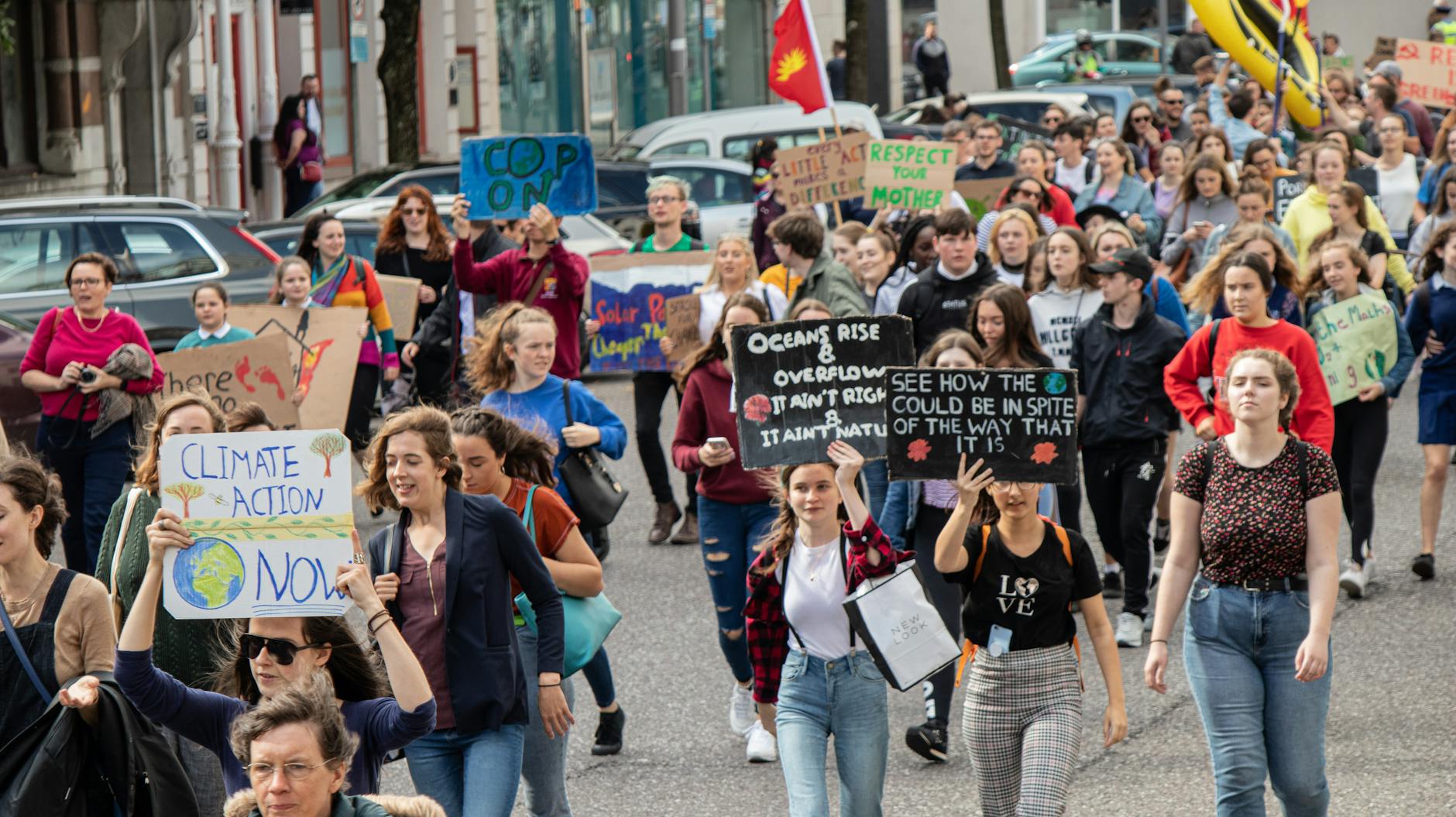
The Challenges of Involving Youth
Despite these benefits, engaging younger generations isn’t without obstacles.
1. Traditional Dismissal of Youthful Perspectives: Cultural norms can make it difficult for adults to value the opinions of young people, often due to assumptions that youth lack the necessary experience. But this can be overcome through meaningful dialogue. Workshops or collective planning sessions allow for shared understanding, bridging the experience gap and demonstrating that each person’s perspective, regardless of age, holds value.
2. Disillusionment from Tokenism: Many young people have grown disillusioned by tokenistic gestures—being “included” but not genuinely heard. To counteract this, transparency from the outset is crucial. If the goal is simply to share information, make that clear; if the goal is true co-creation, empower young people with real decision-making roles.
3. Challenges in Interpreting Youth Feedback: Human feedback is rarely straightforward, and with younger children, responses may be especially unconventional or “messy.” It takes effort to interpret these insights, yet advancements in technology—such as natural language processing—can help translate these raw ideas into usable data, making meaningful engagement with youth more feasible.
4. Ethics: One of the significant challenges in involving children in discussions about the future is the ethical responsibility to protect their well-being. Engaging young people, especially children, in planning and decision-making requires sensitivity to their unique vulnerabilities and developmental stages. There must be safeguards to ensure that their participation is meaningful and that they are not unduly influenced or pressured. Transparency about how their input will be used and clear boundaries on the nature of their involvement are essential. Additionally, children must have the freedom to express or withhold their views without feeling compelled to meet adult expectations. Establishing a respectful, supportive environment not only respects their rights but also ensures that their contributions are genuine, adding real value to the discussion.
Why Youth Involvement Matters for the Future of Cities
All these principles are especially relevant in city planning. Young people experience our cities daily; they observe how our urban spaces function, often noticing aspects that adults miss. They understand firsthand what it means to move through these spaces, providing an authentic perspective on the current environment. As future inheritors of our urban landscape, they must be allowed to shape it, instilling in them the responsibility and ownership that ensures they will continue to care for it.
Their innovative, unfiltered approaches and challenging questions can drive us toward smarter, more resilient cities. If we want cities that evolve beyond our own entrenched views, we need the courage to include voices that see beyond our limitations.

Let’s Build the Future Together
As we plan for the future, let’s ask ourselves: Are we truly creating a world in which future generations will thrive? Or are we simply handing down a vision they never asked for?
I encourage all stakeholders—urban planners, community leaders, and decision-makers—to engage with young people on what they want to see in their cities. What issues do they care about? What changes would they make if given the chance? The conversation shouldn’t end here. I invite you to share your thoughts: How do you currently involve young voices in your decision-making? What challenges have you encountered, and what benefits have you seen? Together, we can build cities that are not only sustainable but aspirational for all generations.
 Vitruvian Solutions
Leave a comment